
MSNBC Host Asks Jen Psaki if She’s ‘Scared’ of Trump Administration

In a thought-provoking segment on MSNBC, host Ali Velshi questioned Jen Psaki, former press secretary for President Joe Biden and current fellow MSNBC host, about her feelings regarding the Trump administration. Velshi’s inquiry specifically centered around whether Psaki feels a sense of fear or anxiety over possible targeting by the Trump team, especially given the heightened tensions and aggressive rhetoric that often surrounded the former president’s tenure. This exchange is not just a casual conversation but opens up broader discussions about the current political climate and the safety of journalists and public figures who speak out against powerful entities.
Psaki’s Response: Navigating Fear and Freedom of Speech

Jen Psaki addressed Velshi’s question candidly, emphasizing that while she strives to not let fear control her life or work, she does indeed harbor concerns about her family’s safety. As an individual who has operated at the nexus of politics and media, Psaki understands the delicate balance between robust political discourse and the personal repercussions that can arise from dissenting opinions. She articulated gratitude for her current role, where she feels privileged to express her thoughts openly without facing immediate threat, a luxury that many in similar positions may not enjoy.
Psaki articulated a sense of duty to use her platform to share her perspectives, underlining the importance of free speech in a democracy. Her acknowledgment of the precarious nature of that freedom, especially in politically charged environments, resonates deeply with many journalists and public figures who risk backlash for their views. Velshi concurred with Psaki’s sentiments about the responsibility that comes with media influence, emphasizing the significant role these platforms play in shaping public discourse.
Threats to Media Figures and Political Commentary

The dynamic between political figures and the media remains contentious in the United States. With the Trump administration, many journalists and commentators faced unprecedented levels of scrutiny and personal attacks. Psaki’s reflections on this topic are particularly relevant in light of the aggressive tactics often employed to silence critics, raising the stakes for those willing to voice their opinions publicly.
According to various reports, media figures have been targeted for harassment, doxxing, and even physical threats, particularly those who took a stand against the previous administration. The fear of unwanted repercussions can create a chilling effect on journalism, where the pursuit of truth can be sidelined by concerns for personal safety. This serves to illuminate the ongoing struggles within journalist circles to maintain integrity and transparency while navigating a challenging landscape rife with potential dangers.
Importance of Responsible Journalism
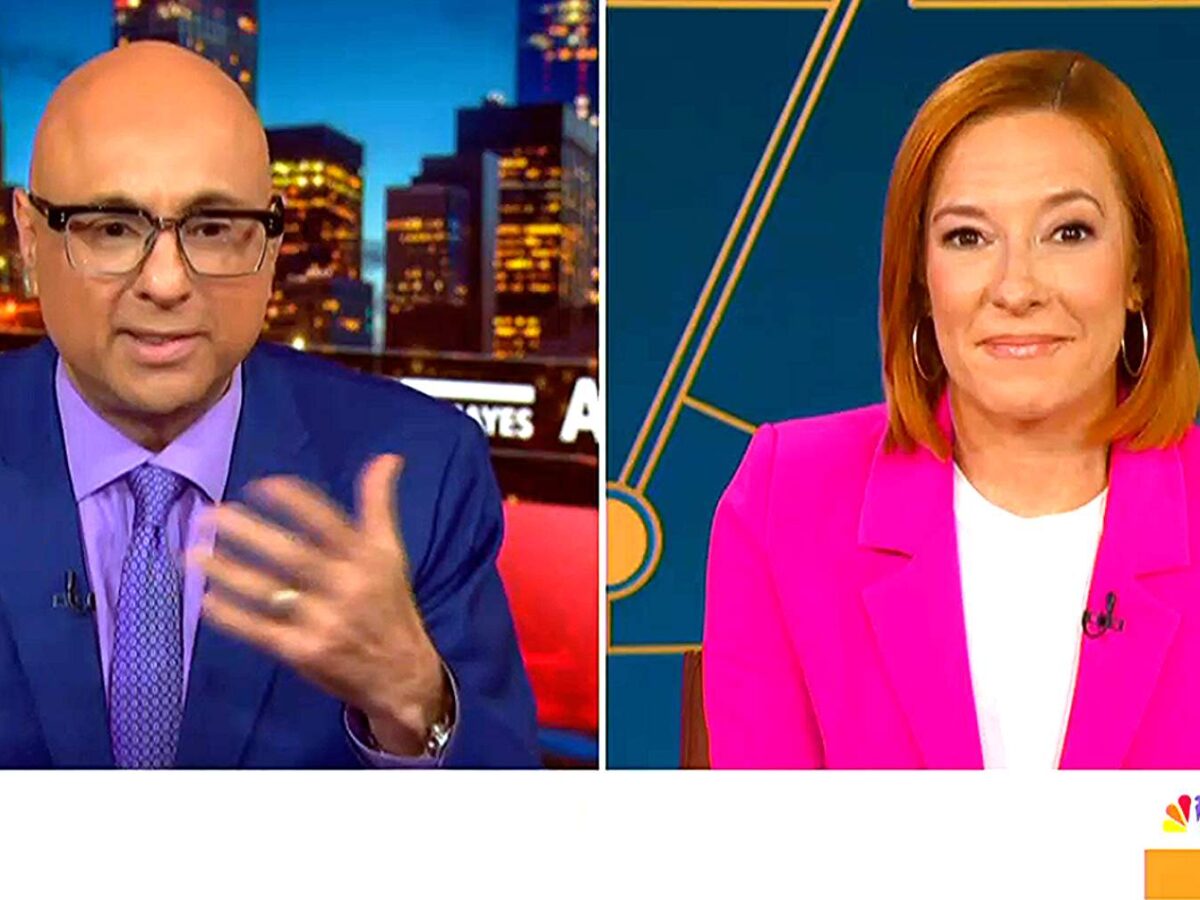
As the conversation between Velshi and Psaki unfolded, it became evident that there is an essential role for responsible journalism in society. Both hosts underscored the necessity of voices that challenge the status quo, especially when the political environment fosters hostility towards dissenting opinions. Journalists are tasked with the critical role of holding power to account, but this duty is accompanied by the reality of facing possible retaliation for their reporting.
In this context, using one’s voice thoughtfully becomes paramount. Whether addressing issues of policy, social justice, or political accountability, media personalities must tread carefully while remaining steadfast in their commitment to the truth. This discourse is especially relevant as new generations of journalists enter the field, emphasizing the need for solidarity and support among peers who may find themselves grappling with similar fears.
The exchange between Velshi and Psaki is not only a conversation about personal feelings towards fear; it is a reflection of the broader implications for free speech, the safety of media personnel, and the essential discourse required to foster a healthy democracy. The ability to discuss potentially incendiary topics with openness is crucial for progress and accountability.
Conclusion

In light of the dialogue surrounding media personalities and their experiences, it is clear that the connection between journalism and politics remains complex and often fraught with tension. To safeguard the principles of democracy, it is vital for both journalists and the public to foster an environment where open conversation and debate can flourish, free from the threats of intimidation or violence. As viewers and readers, we must support platforms that encourage candid discussion and remain vigilant in our appreciation of those who dare to speak the truth, giving them the backing they need in these challenging times. We encourage you to engage with media outlets that provide fearless commentary and hold power accountable—explore and support those voices that enrich our understanding of the world around us.
Leave a Reply