Molly Qerim’s Ex-ESPN Colleague Reveals the Salary She Felt ‘Disrespected’ By Before Abrupt Exit
Molly Qerim, a prominent sports broadcaster and former host of ESPN’s popular show *First Take*, recently shocked fans and colleagues alike by departing from the network after a nearly 19-year tenure. While initial reports suggested she planned to leave at the end of the year, Qerim’s sudden exit caught many off guard. Behind the scenes, salary disputes and feelings of being undervalued played a significant role in her decision to walk away.
In this article, we delve into the circumstances surrounding Molly Qerim’s departure, including insights from her former ESPN colleague Marcellus Wiley, the salary disparities that fueled her dissatisfaction, and what this means for the future of sports broadcasting talent at ESPN.
The Salary Dispute That Led to Molly Qerim Feeling ‘Disrespected’
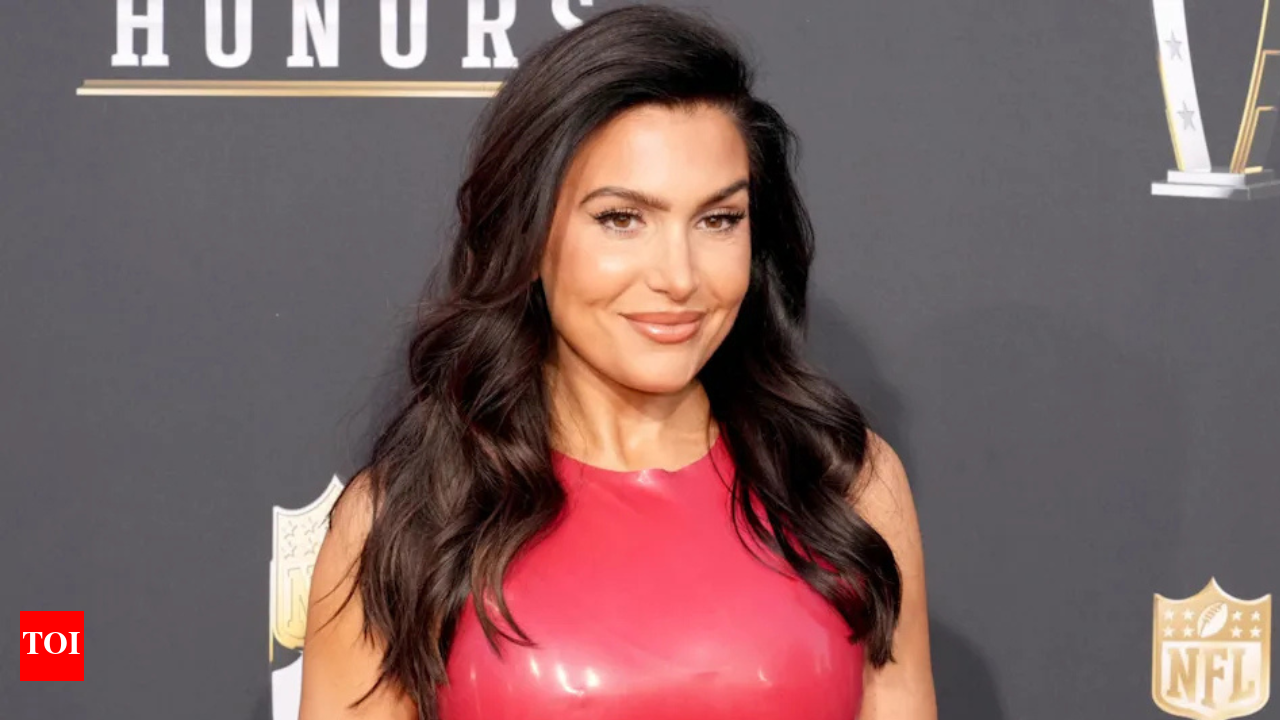
According to Marcellus Wiley, who co-hosted *SportsNation* with Molly Qerim during their time at ESPN, the broadcaster felt deeply disrespected by her compensation package. Reports indicate that Qerim was earning approximately $500,000 annually—a figure that pales in comparison to her *First Take* co-host Stephen A. Smith’s recently renewed contract, which is rumored to be around $20 million per year.
This staggering salary gap, nearly 40 times the amount Qerim was making, reportedly contributed to her decision to leave the network. Wiley emphasized that despite Qerim’s integral role in one of ESPN’s most successful shows, her pay did not reflect her contributions or stature within the company.
The disparity also extends beyond Smith. Other female ESPN stars, including Malika Andrews and Mina Kimes, are believed to be earning seven-figure salaries, further highlighting the imbalance that left Qerim feeling undervalued.
ESPN’s Response and the Impact on the Network
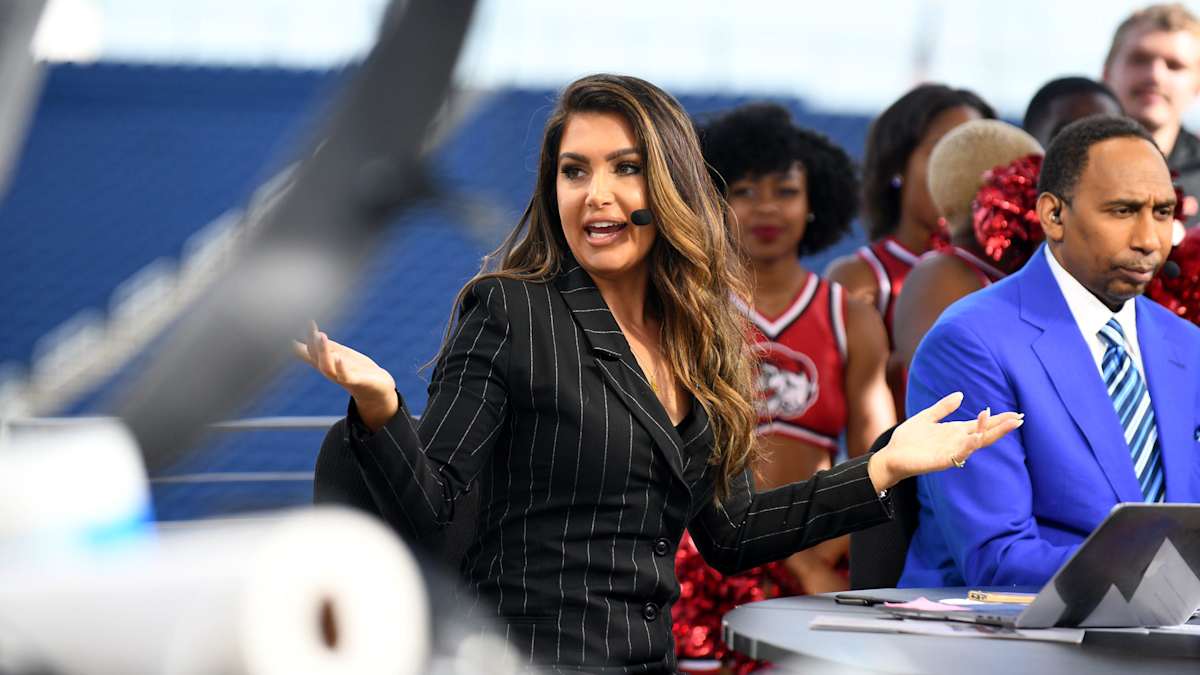
Following Qerim’s departure, ESPN President of Content Burke Magnus acknowledged that her decision to leave was unexpected and that negotiations for a contract renewal had stalled. Magnus admitted that the timing of her exit surprised the network, indicating that discussions were ongoing but ultimately unsuccessful.
The loss of Molly Qerim represents a significant shift for ESPN, especially given her decade-long tenure as the host of *First Take*. Her departure raises questions about how ESPN manages talent compensation and retention, particularly for female broadcasters who have been instrumental in shaping the network’s programming.
Industry analysts suggest that ESPN may need to reassess its salary structures and negotiation strategies to prevent further departures and maintain its competitive edge in sports media.
What Molly Qerim’s Exit Means for Women in Sports Broadcasting
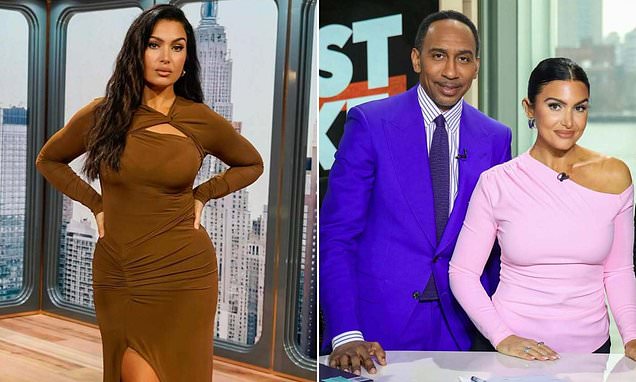
Molly Qerim’s exit shines a spotlight on the broader issue of pay equity in sports media. Despite the increasing prominence of female sports broadcasters, disparities in compensation remain a contentious topic.
Qerim’s experience underscores the challenges women face in negotiating salaries that truly reflect their value and contributions. While stars like Malika Andrews and Mina Kimes have secured lucrative contracts, Qerim’s departure suggests that not all female talent receives equitable treatment.
This situation could serve as a catalyst for change within ESPN and the wider industry, encouraging networks to prioritize fair compensation and foster an inclusive environment where all broadcasters feel respected and valued.
Conclusion

Molly Qerim’s abrupt exit from ESPN highlights the critical role that salary and respect play in retaining top talent within the competitive world of sports broadcasting. Feeling undervalued and disrespected over her compensation compared to her peers, Qerim chose to leave a network where she had been a key figure for nearly two decades.
As ESPN navigates this transition, the network faces pressure to address pay disparities and ensure equitable treatment for all its on-air personalities. For viewers and aspiring broadcasters alike, Qerim’s story is a powerful reminder of the importance of fair compensation and professional respect.
If you want to stay updated on the latest sports media news and industry insights, be sure to subscribe to our newsletter and follow us for more in-depth coverage.


Leave a Reply