
Trump Scolds CNN Journalist and Refuses To Answer Her Question: ‘This Is One of the Worst Reporters That You’ll Ever See’
President Trump’s Confrontation with CNN Reporter Sparks Controversy

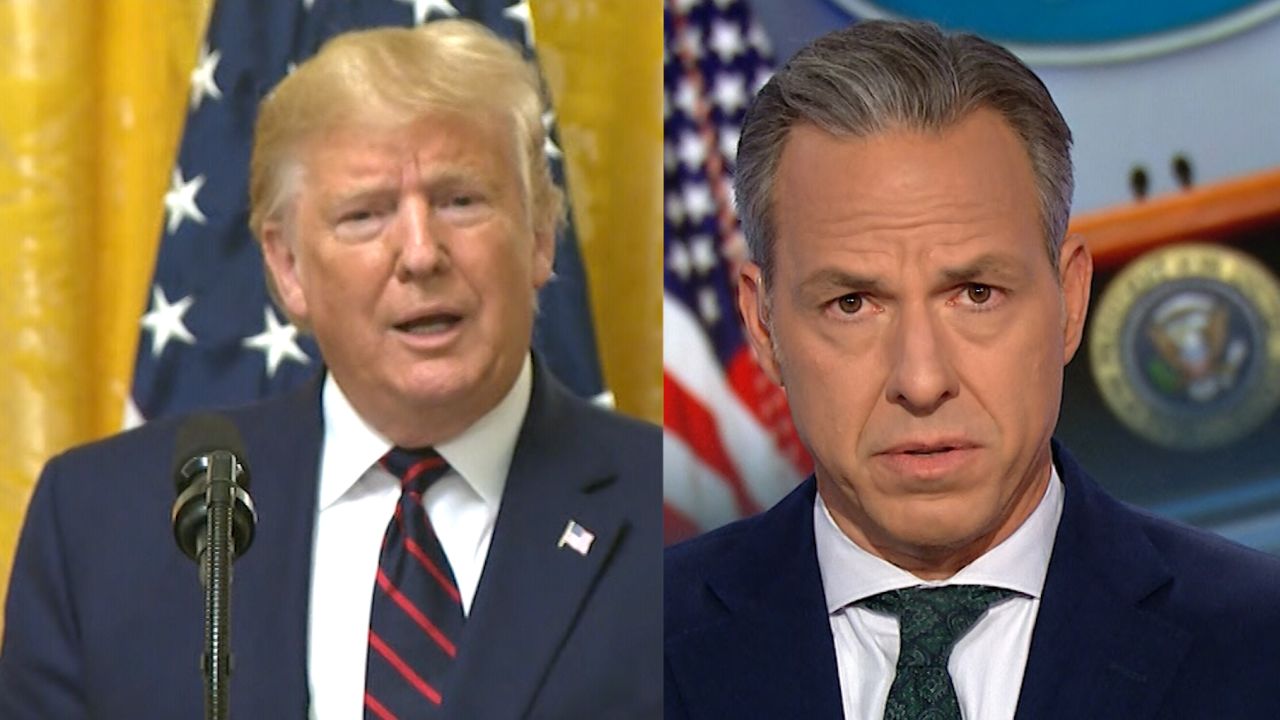
In a recent White House press briefing, President Donald Trump openly scolded a CNN journalist, refusing to answer her question and labeling her as “one of the worst reporters that you’ll ever see.” The incident unfolded during an “Antifa roundtable” event held in the State Dining Room, where Trump addressed various topics, including civil unrest and international conflicts.
The confrontation began when Kristen Holmes, CNN’s Senior White House Correspondent, asked the president about his personal involvement in a potential ceasefire agreement between Israel and Hamas. Her question, though somewhat unclear, was intended to clarify Trump’s role in ongoing diplomatic efforts. Instead of responding, Trump dismissed the inquiry outright, emphasizing the reporter’s affiliation with CNN and disparaging her journalistic abilities.
“This is CNN speaking, by the way,” Trump said to the assembled press corps. “So, you know, this is one of the worst reporters that you’ll ever see. I don’t even want to take her question. It’s a waste of time.” Following this rebuke, the president quickly moved on to the next question, leaving Holmes without a response.
Context of the Incident and Trump’s Stance on Media

This episode is part of a broader pattern of antagonism between President Trump and the media, particularly CNN. Throughout his presidency, Trump has frequently accused major news outlets of biased reporting and has often singled out individual journalists for criticism. The tension between the administration and the press has been a defining feature of Trump’s communication style, often leading to heated exchanges during press conferences.
The “Antifa roundtable” itself was centered on Trump’s claims regarding far-left activist groups, which he alleges are responsible for widespread civil unrest in American cities. These assertions have been widely disputed and criticized by fact-checkers and political analysts. The event also touched on international matters, notably the conflict between Israel and Hamas, where Trump indicated a possible diplomatic visit to the Middle East to facilitate a ceasefire.
During the meeting, Trump mentioned that he might travel to the region “sometime before the end of the week” to help negotiate peace. He described the ongoing talks as unprecedented and expressed cautious optimism about the progress with Hamas. However, his refusal to engage with the CNN reporter’s question underscored the administration’s strained relationship with certain media representatives.
Implications for Media Relations and Public Perception

The president’s public disparagement of a journalist raises important questions about media freedom and the role of the press in holding government officials accountable. Critics argue that such behavior undermines the principles of transparency and open dialogue essential to a functioning democracy. Supporters of Trump, on the other hand, often view his confrontations with the media as justified responses to what they perceive as unfair or hostile coverage.
This incident also highlights the challenges journalists face when covering contentious political figures. Reporters must navigate a complex environment where access to information can be contingent on their perceived loyalty or adversarial stance toward the administration. The refusal to answer questions from specific journalists can hinder the public’s ability to receive comprehensive and unbiased information.
Conclusion: The Ongoing Battle Between Trump and the Media
President Donald Trump’s scolding of the CNN journalist and refusal to answer her question exemplify the ongoing contentious relationship between the former president and the press. As political tensions remain high, such interactions continue to fuel debates about media integrity, freedom of the press, and the responsibilities of public officials.
For readers interested in staying informed about the latest developments in political communication and media relations, it is essential to follow credible news sources and engage critically with the information presented. Stay updated with our coverage for more insights into how these dynamics shape public discourse.
Call to Action: If you want to receive timely updates on political news and media interactions, subscribe to our newsletter and never miss an important story.




Leave a Reply