
Jonathan Capehart Becomes Latest Washington Post Writer to Exit After Bezos Revamp
Jonathan Capehart’s Departure Highlights Shifts at Washington Post Under Bezos
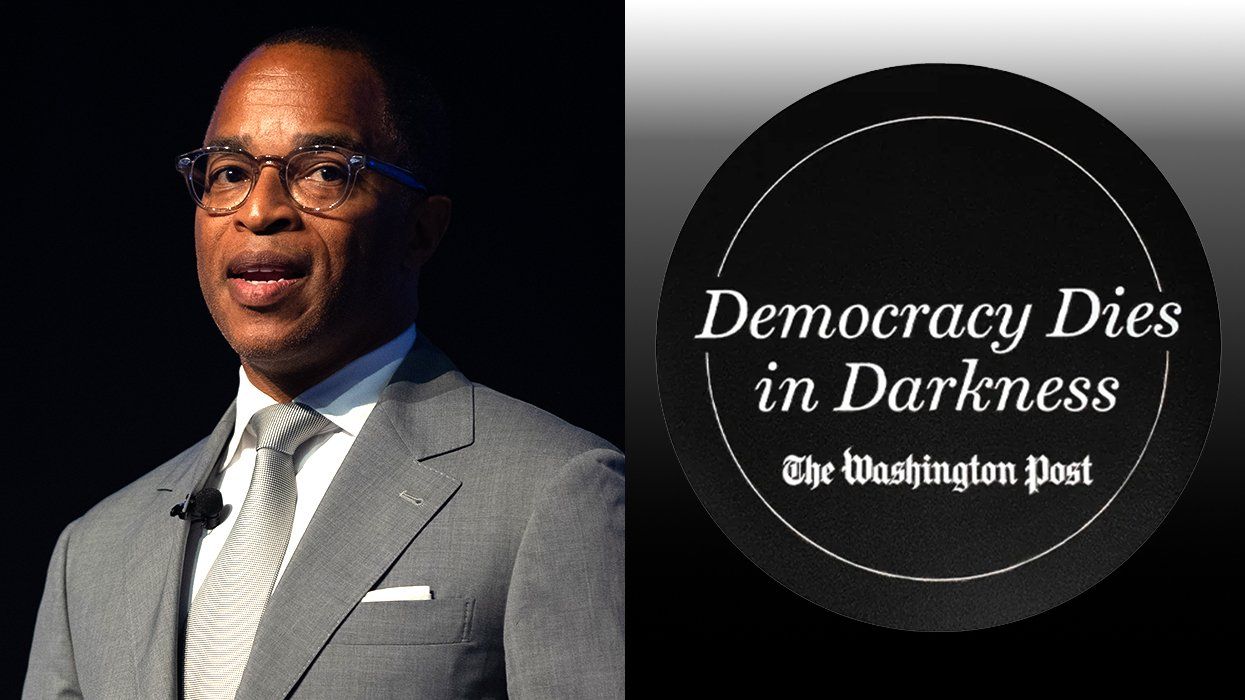
Veteran opinion writer Jonathan Capehart has recently announced his exit from The Washington Post, marking another significant departure amid the newspaper’s ongoing transformation under owner Jeff Bezos. Capehart, a Pulitzer Prize-winning commentator known for his critical stance on former President Donald Trump, accepted a buyout offer from the publication. This move comes in the wake of a strategic overhaul of the Post’s opinion section, which has led to a wave of resignations and buyouts among its editorial staff.
Capehart’s exit was first reported by Axios and confirmed by multiple sources close to the situation. Having been with the Washington Post since 2007, Capehart’s departure signals a notable change in the paper’s editorial landscape. Despite leaving the Post, he will continue his roles as co-host of MSNBC’s “The Weekend” and as a panelist on PBS’s “NewsHour,” maintaining his presence in political commentary through other media platforms.
The Bezos-Led Revamp and Its Impact on Opinion Journalism

In early 2025, Jeff Bezos announced a new editorial direction for the Washington Post’s opinion section, emphasizing two core pillars: personal liberties and free markets. This shift was intended to refocus the paper’s commentary and opinion pieces around these themes, a move that has not been without controversy. Several staff members, including former opinion editor David Shipley and longtime columnist Ruth Marcus, resigned shortly after the announcement, citing concerns about the new editorial stance.
Washington Post CEO Will Lewis further intensified the situation by encouraging writers who did not “feel aligned” with the paper’s mission to consider resigning with a buyout option. This directive has created an environment of uncertainty and transition within the newsroom, as staff members evaluate their fit within the evolving editorial framework.
Jonathan Capehart’s buyout acceptance is part of this broader pattern. Known for his outspoken criticism of Trump, Capehart’s final column for the Post, published in late May, featured an interview with Minnesota Attorney General Keith Ellison discussing strategies to counter the former president’s influence. Capehart has been a vocal critic, describing Trump as a “cancer on the presidency and American society” and drawing historical parallels between Trump’s rallies and Nazi events.
What Jonathan Capehart’s Exit Means for the Washington Post and Its Readers

Capehart’s departure adds to a growing list of prominent voices leaving the Washington Post, raising questions about the future direction of its opinion journalism. The buyout window reportedly remains open until the end of July, suggesting that more exits could follow as staff members decide whether to stay or leave under the new editorial guidelines.
For readers, this transition may signal a shift in the diversity of viewpoints presented in the Post’s opinion section. Capehart’s sharp critiques and unique perspectives have been a staple for many readers seeking in-depth political analysis. As the paper pivots towards a focus on personal liberties and free markets, the range of commentary may narrow, potentially impacting the Post’s role as a platform for robust debate.
The changes at the Washington Post reflect broader trends in the media industry, where ownership and editorial priorities can significantly influence newsroom culture and content. The departure of high-profile writers like Capehart underscores the challenges faced by legacy media outlets in balancing editorial vision with journalistic independence.
Conclusion

Jonathan Capehart’s exit from the Washington Post is emblematic of the significant editorial shifts underway at the publication following Jeff Bezos’s revamp. As the paper redefines its opinion section with a focus on personal liberties and free markets, more changes in staff and content are likely. For readers and media observers alike, these developments highlight the evolving nature of opinion journalism in a rapidly changing media landscape.
If you want to stay updated on the latest media industry news and understand how these changes affect journalism, subscribe to our newsletter for timely insights and expert analysis.


Leave a Reply