
Fans Slam Megyn Kelly, Saying Her Career Is Over After Her Controversial Comments About Jeffrey Epstein
Megyn Kelly Faces Backlash Over Jeffrey Epstein Remarks

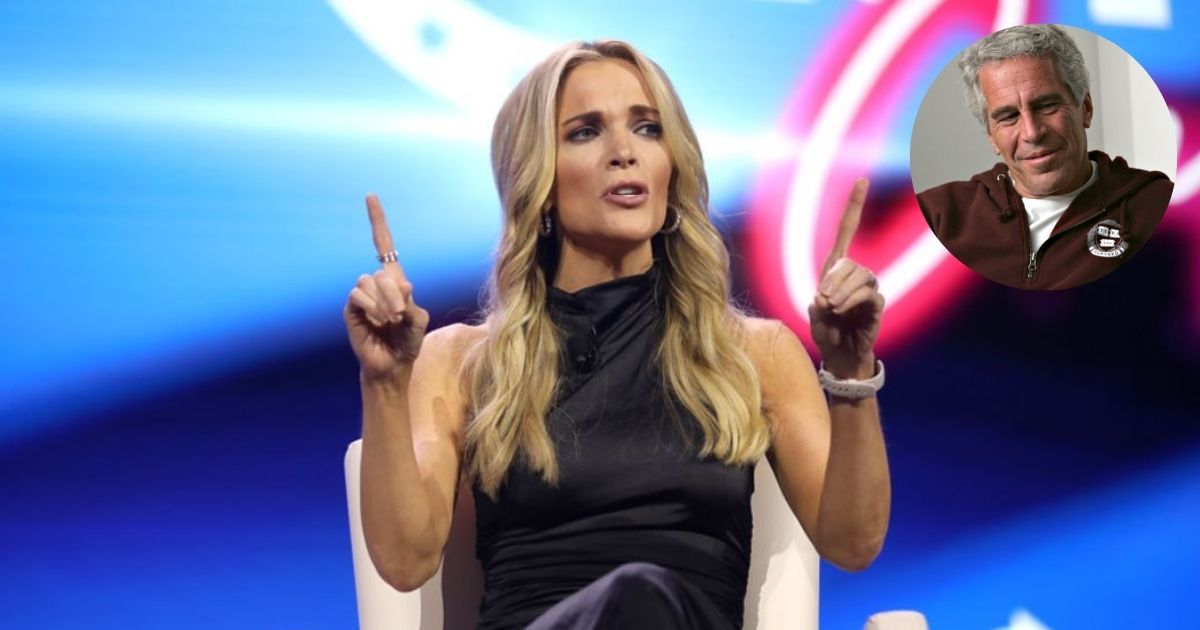
Megyn Kelly, a well-known television journalist and media personality, has recently come under intense scrutiny and criticism following her controversial comments about Jeffrey Epstein. During a broadcast, Kelly made statements that many viewers and critics interpreted as an attempt to minimize Epstein’s predatory behavior by disputing whether he was an “actual pedophile.” This sparked a fierce backlash from fans, activists, and fellow media figures who condemned her remarks as insensitive and damaging.
Kelly’s comments centered on her claim that Epstein’s victims were “barely legal” teenagers, specifically around the age of 15, rather than younger children. She cited a source close to the Epstein case who allegedly believed Epstein did not fit the clinical definition of a pedophile. Kelly stated, “I do know somebody very, very close to this case who is in a position to know virtually everything,” and added that this person had told her Epstein was not a pedophile. She further elaborated that Epstein preferred “barely legal” girls who appeared older than their actual age.
These assertions have been met with widespread outrage, particularly because the age of consent in Florida, where much of Epstein’s abuse occurred, is 18. Many critics argue that Kelly’s comments dangerously downplay the severity of Epstein’s crimes and the trauma inflicted on his victims.
The Public and Activists Respond to Kelly’s Statements

The reaction on social media and from advocacy groups was swift and severe. Activist Shannon Watts publicly condemned Kelly’s remarks, stating, “Megyn Kelly trying to convince her listeners that sex trafficking girls is less offensive if they’ve gone through puberty.” Watts also accused Kelly of using her platform to portray Epstein and other powerful men as merely “horny” rather than as sexual predators.
Other commentators echoed these sentiments, emphasizing that 15-year-olds are children and that sexual abuse at that age is unequivocally criminal and morally reprehensible. Democratic strategist Adam Parkhomenko questioned Kelly’s stance, tweeting, “So Megyn Kelly is fine with pedophiles now? It’s fine to rape 15-year-olds?” Ally Sammarco, another political strategist, went further by calling Kelly’s comments career-ending, writing, “Fifteen-year-olds are CHILDREN. They can’t drive. They can’t see rated R movies. But disgusting 50-year-old men should be allowed to rape them? Goodbye. Forever.”
The backlash has not only targeted Kelly’s statements but also raised concerns about the impact of such views on public understanding of sexual abuse and trafficking.
Kelly’s Defense and the Future of Her Career

In response to the criticism, Megyn Kelly doubled down on her remarks during the same episode. She admitted that she only considered Epstein an “actual” pedophile after learning from Florida Attorney General Pam Bondi that Epstein possessed thousands of videos containing child sexual abuse material. However, Kelly expressed skepticism about whether Bondi’s information was entirely trustworthy.
Kelly’s attempt to clarify her position did little to quell the outrage. Many believe that her comments reflect a troubling misunderstanding of the nature of sexual abuse and the legal definitions surrounding it. This controversy has reignited debates about Kelly’s credibility and future in the media industry.
Kelly’s career has faced challenges before, notably in 2018 when her NBC show was canceled following backlash over her defense of blackface. Now, many observers speculate that this latest controversy could mark a significant turning point, potentially ending her career in broadcasting.
Why Megyn Kelly’s Comments on Jeffrey Epstein Sparked Such a Fierce Reaction

The controversy surrounding Megyn Kelly’s comments about Jeffrey Epstein is not just about semantics; it touches on deeply sensitive issues related to sexual abuse, victim rights, and media responsibility. Epstein’s crimes involved the exploitation and trafficking of underage girls, many of whom were far younger than 15. By suggesting that Epstein’s preference for “barely legal” teenagers somehow lessened the severity of his offenses, Kelly appeared to many as minimizing the trauma experienced by victims.
Furthermore, the public outrage is intensified by the ongoing revelations about Epstein’s connections to powerful figures, including former President Donald Trump. Recent emails and documents have suggested that Trump was aware of Epstein’s activities, adding fuel to the fire of public anger.
Kelly’s comments also come at a time when society is increasingly focused on holding perpetrators of sexual abuse accountable and supporting survivors. Any perceived attempt to excuse or downplay such behavior is met with strong resistance.
The Role of Media Personalities in Shaping Public Perception

Media figures like Megyn Kelly wield significant influence over public opinion. Their words can shape narratives and impact how audiences understand complex issues. When a prominent journalist makes controversial statements about sensitive topics like child sexual abuse, it can have far-reaching consequences.
Critics argue that Kelly’s remarks reflect a dangerous narrative that could normalize or excuse predatory behavior. This is particularly concerning given the ongoing fight against sex trafficking and exploitation worldwide.
The incident serves as a reminder of the responsibility media personalities have to approach such topics with care, accuracy, and empathy.
Conclusion

Megyn Kelly’s controversial comments about Jeffrey Epstein have ignited a firestorm of criticism, with many fans and public figures condemning her for downplaying the severity of Epstein’s crimes. The backlash raises serious questions about her understanding of sexual abuse and the potential impact on her career. As the debate continues, it is clear that media personalities must exercise caution when discussing sensitive issues to avoid further harm and misunderstanding.
If you want to stay informed about the latest media controversies and public reactions, be sure to follow our updates and join the conversation. Your voice matters—share your thoughts and help promote awareness on critical social issues today!


Leave a Reply