Disorienting Shift: Netflix’s $83 Billion Pursuit of HBO Max and Warner Bros. Sparks Industry Uncertainty
Netflix Inches Toward an $83 Billion Purchase of HBO Max and Warner Bros.

In a move that has sent ripples throughout the entertainment industry, Netflix is reportedly edging closer to acquiring HBO Max and Warner Bros. for a staggering $83 billion. This potential deal marks one of the most significant consolidations in the streaming and media landscape, promising to reshape how audiences consume content worldwide. However, the announcement has also triggered widespread uncertainty, as many ongoing projects under Warner Bros. and HBO Max are suddenly being shelved or put on indefinite hold.
The acquisition, if finalized, would position Netflix as an even more dominant force in the streaming wars, combining its vast subscriber base with the rich content libraries and production capabilities of Warner Bros. and HBO Max. Yet, this transition period is proving disorienting for creators, employees, and viewers alike, as the future of numerous beloved series and films hangs in the balance.
Industry Impact and Project Shelving Amidst the Merger Talks
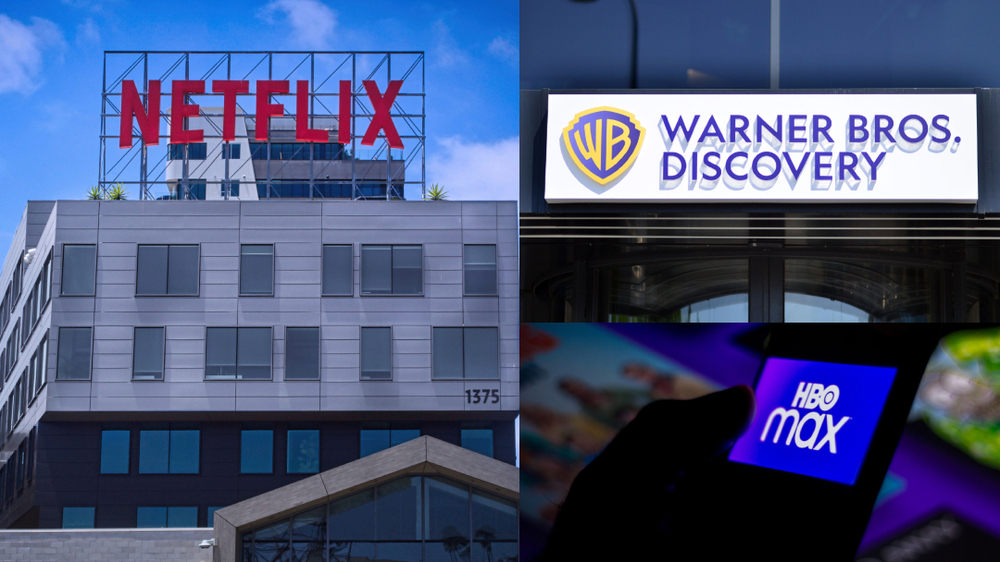
The entertainment sector thrives on stability and forward momentum, but the looming Netflix acquisition has introduced a wave of unpredictability. Several high-profile projects that were in various stages of development or production under Warner Bros. and HBO Max have been abruptly paused or canceled. This shelving of content is a direct consequence of the ongoing merger talks, as new leadership and strategic priorities are being evaluated.
For creators and production teams, this uncertainty translates into halted workflows, delayed releases, and in some cases, complete cancellations. Fans of certain franchises and original series are left in limbo, unsure if their favorite shows will ever see the light of day. Furthermore, employees within these companies face job insecurity as restructuring and integration plans begin to take shape.
While Netflix has a history of investing heavily in original content, the integration of Warner Bros.’ extensive catalog and HBO Max’s streaming infrastructure presents both opportunities and challenges. The combined entity could leverage a broader range of intellectual properties and production talent, but aligning corporate cultures and operational systems will require careful navigation.
What This Means for Streaming Consumers and the Future of Content

From a consumer perspective, the merger could lead to a more comprehensive streaming platform offering an unparalleled variety of movies, TV shows, and exclusive content. Subscribers might benefit from bundled services or enhanced content libraries that merge Netflix’s originals with Warner Bros.’ iconic franchises and HBO Max’s critically acclaimed series.
However, there is also concern about potential price increases, reduced competition, and the risk of content homogenization. As one company gains a larger market share, the diversity of voices and creative experimentation that smaller platforms often champion might diminish. Additionally, the shelving of projects during the transition could delay the release of new content, impacting viewer satisfaction in the short term.
The entertainment industry is at a crossroads, and this acquisition could set a precedent for future mergers and acquisitions. Stakeholders across the board—from creators and producers to advertisers and audiences—are watching closely to see how Netflix’s bold move will unfold.
Conclusion

Netflix’s pursuit of an $83 billion acquisition of HBO Max and Warner Bros. is a landmark event that brings both exciting possibilities and significant uncertainty. As projects are shelved and the industry braces for change, the future of streaming content is being rewritten. For viewers eager to stay updated on this evolving story and its impact on their favorite shows and movies, now is the time to stay informed and engaged. Don’t miss out on the latest developments—subscribe to our newsletter for timely updates and expert insights.


Leave a Reply