
Judge Sides with Cardi B, Fines Lawyer $1,500 for Asking Her About Potential Gang Affiliation During Trial: Reports
Judge Imposes Fine on Lawyer for Questioning Cardi B About Gang Affiliation

In a notable legal development, a Los Angeles County judge has fined attorney Ron A. Rosen Janfaza $1,500 for violating a court order by asking rapper Cardi B about her potential gang affiliations during a 2025 civil trial. This incident occurred amid a lawsuit where Cardi B was accused of assault and battery by former security guard Emani Ellis. The judge’s decision highlights the importance of adhering to courtroom rules designed to protect the fairness of trials and prevent undue prejudice.
The controversy arose when Janfaza asked Cardi B, “Do you have any affiliation at this time with a gang?” despite a prior court ruling that explicitly barred attorneys from questioning the rapper about alleged prior bad acts, including any supposed gang associations. The judge deemed this question a “knowing and intentional violation” of the court’s order, emphasizing that such inquiries could confuse the jury and waste valuable time.
Background of the Trial and Court Rulings

The civil trial took place in August 2025, following an incident in February 2018 where Cardi B was accused of assaulting Emani Ellis outside a Beverly Hills medical office. Ellis claimed that Cardi B scratched her with an acrylic fingernail and spat on her while using racial slurs. Cardi B denied the assault allegations, admitting only to a verbal altercation, which she justified by expressing concern for her pregnancy at the time.
Before the trial commenced, Judge Ian C. Fusselman issued a clear directive prohibiting attorneys from questioning Cardi B about her past, including her history as an exotic dancer or any alleged gang affiliations during her youth. The judge reasoned that such topics were irrelevant to the case and could unfairly prejudice the jury.
Despite this, one of the first questions posed by Janfaza during Cardi B’s testimony directly contravened this order. Cardi B’s legal team immediately objected, and the judge reminded Janfaza of the court’s ruling. Nevertheless, the violation led to the imposition of a $1,500 fine on the attorney, who was also required to report the sanction to the California State Bar.
Lawyer’s Defense and Judge’s Response

Following the fine, Janfaza attempted to justify his question by claiming that his office manager drafted the inquiry and that he was sleep-deprived during the proceedings. He also argued that the phrase “at this time” made the question relevant to the case. However, Judge Fusselman was not convinced by these explanations.
In his written decision, the judge stated that Janfaza’s question was a deliberate attempt to circumvent the court’s order by phrasing it in a way that technically avoided direct violation but clearly breached the spirit of the ruling. The judge emphasized the importance of respecting court directives to maintain the integrity of the judicial process.
Impact of the Ruling and Public Reaction
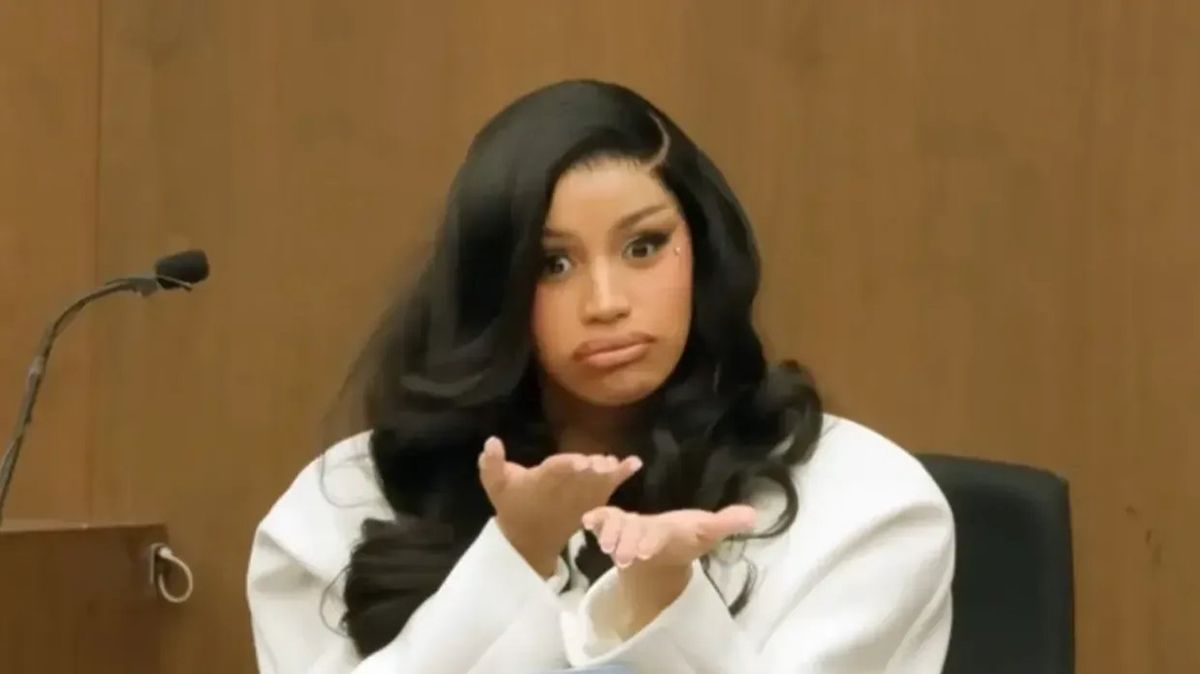
The ruling and fine against Janfaza have drawn significant attention, not only because of Cardi B’s celebrity status but also due to the broader implications for courtroom conduct. Legal experts note that this case underscores the necessity for attorneys to follow judicial instructions carefully, especially when dealing with sensitive topics that could unfairly influence juries.
Cardi B’s attorneys also requested that Janfaza be held in contempt for referencing evidence not admitted during the trial in his closing arguments, further highlighting concerns about the lawyer’s courtroom behavior. The jury ultimately found Cardi B not liable for the alleged assault, a verdict that was widely publicized.
The rapper herself addressed the media after the verdict, firmly denying the assault allegations and expressing her intention to take stronger legal action against frivolous lawsuits in the future. This case has sparked conversations about the challenges celebrities face in the legal system and the importance of fair trial procedures.
Memorable Moments from the Trial

Throughout the trial, Cardi B’s candid and animated courtroom demeanor attracted widespread media coverage. Her exchanges with Janfaza, including humorous moments about her wigs and legal terminology, went viral on social media. For example, when Janfaza asked about the authenticity of her hair, Cardi B’s quick-witted response that they were wigs drew laughter from those present.
Such moments humanized the rapper and provided a glimpse into the often tense and complex atmosphere of high-profile legal proceedings. They also highlighted Cardi B’s ability to remain composed and assertive under pressure.
Conclusion
The judge’s decision to fine a lawyer for improperly questioning Cardi B about gang affiliation during her trial serves as a critical reminder of the importance of respecting court orders and maintaining fairness in legal proceedings. This case not only protected Cardi B’s rights but also reinforced standards that help ensure justice is served without prejudice.
If you want to stay informed about high-profile legal cases and celebrity news, be sure to subscribe to our newsletter for the latest updates and expert analysis. Don’t miss out on important stories that shape the intersection of law and entertainment.

Leave a Reply