Brooke Nevils on Matt Lauer Labeling Their Sexual Relationship as ‘Consensual’: ‘Consent and Agreement Are Not Synonymous’
Brooke Nevils Responds to Matt Lauer’s ‘Consensual’ Label on Their Sexual Relationship
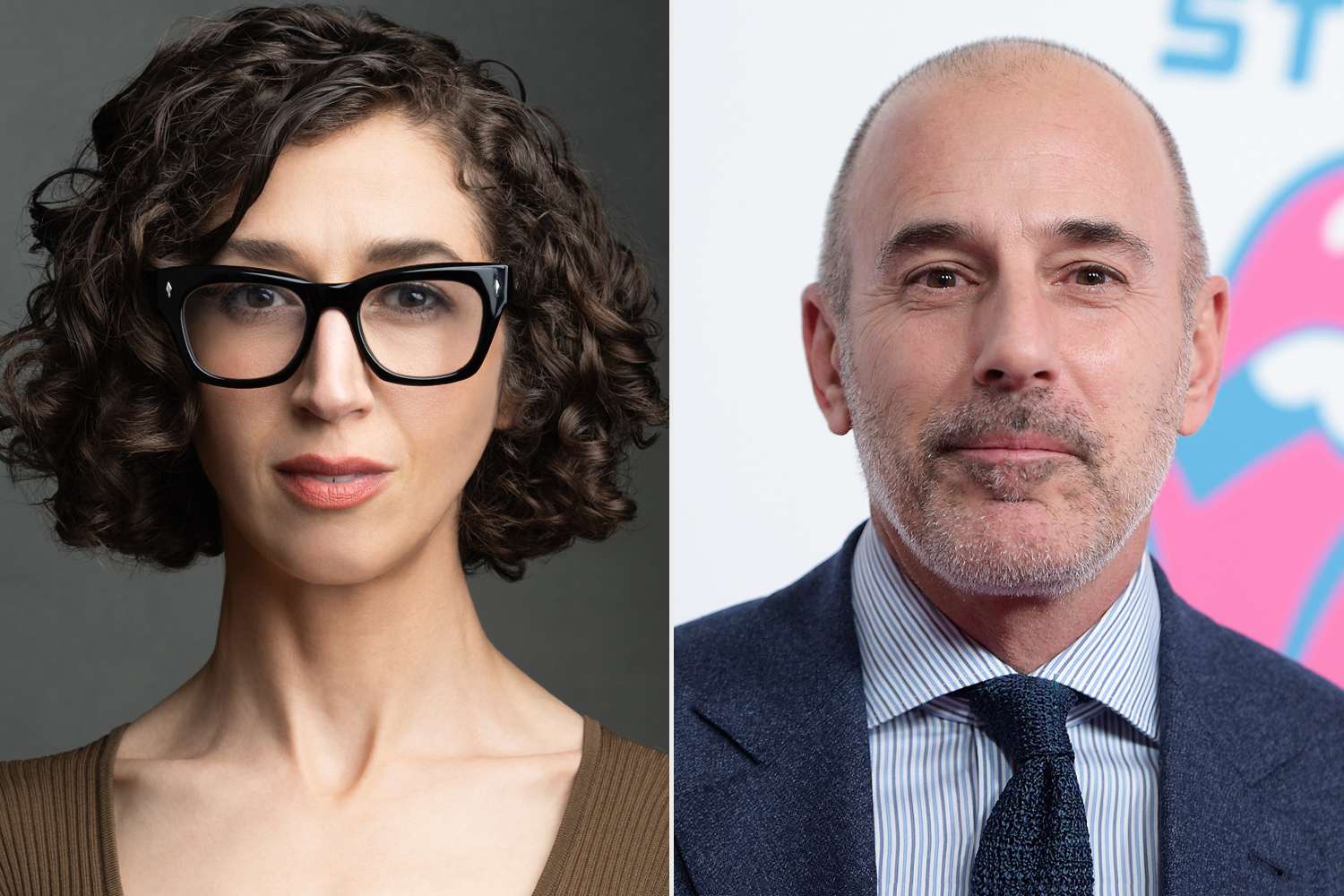
Brooke Nevils has publicly addressed Matt Lauer’s characterization of their sexual relationship as “consensual,” a description she strongly disputes. Nevils, who accused Lauer of sexual assault during their coverage of the 2014 Winter Olympics in Sochi, Russia, has made it clear that consent and agreement are not interchangeable terms, especially in situations where power imbalances exist. Her statements shed light on the complexities of consent, particularly within professional environments where authority and influence can pressure individuals into submission rather than genuine agreement.
In 2017, Nevils came forward with allegations that Lauer, a former prominent TV journalist, raped her in his hotel room. Lauer denied these accusations, describing their interaction as an extramarital but consensual encounter. However, Nevils’ recent comments, including those in her memoir “Unspeakable Things: Silence, Shame, and the Stories We Choose to Believe,” challenge this narrative, emphasizing the difference between true consent and coerced submission.
The Distinction Between Consent and Agreement in Power Dynamics

Nevils elaborated on her perspective in an interview with NPR, stating, “Consent and agreement are not synonymous. When one person has power over the other, it’s not really consent. It’s submission.” This distinction is critical in understanding cases of sexual misconduct, especially in industries where hierarchical structures can influence interactions.
She explained that in the television industry, hotel rooms are often used as workspaces, which complicates the social context of such encounters. Nevils had visited Lauer’s hotel room earlier that evening for a rehearsal, making the setting a professional environment rather than a purely social one. This blurred line between work and personal space can create situations where individuals feel pressured to comply, fearing professional repercussions if they refuse.
Nevils’ insight highlights how power imbalances can undermine genuine consent, as the subordinate party may feel unable to say no without risking their career or reputation. This perspective challenges simplistic interpretations of consent that rely solely on verbal agreement without considering the broader context.
Background of the Allegations and Aftermath

The allegations against Matt Lauer first surfaced publicly in 2017 when Brooke Nevils accused him of sexual assault during the 2014 Winter Olympics coverage. NBC swiftly terminated Lauer’s employment following the complaint, and several other women later came forward with similar accusations of sexual misconduct.
Despite Lauer’s denials, including a public statement and a letter to Variety magazine describing the relationship as consensual, the controversy sparked widespread discussion about workplace harassment and abuse of power. Nevils’ memoir provides a detailed account of the incident and the emotional and professional consequences she faced after reporting the assault.
In her memoir, Nevils recounts the physical and psychological pain she endured, describing the aftermath as “undeniable” and isolating. She also reveals how Lauer’s subsequent communications added to her distress, illustrating the complex dynamics victims often face when confronting their abusers.
Nevils has also spoken about the toxic work culture at NBC, where maintaining good relationships with powerful talent was crucial for career advancement. This environment made it difficult for victims to speak out, as they feared retaliation or being blacklisted.
The Broader Implications for Understanding Consent in the Workplace
Brooke Nevils’ experience underscores the importance of recognizing how power imbalances affect consent. Her assertion that submission under pressure is not true consent challenges traditional views and calls for a more nuanced understanding of sexual interactions in professional settings.
Her story also highlights the need for organizations to foster safe environments where employees can report misconduct without fear of retaliation. Addressing these issues is essential to preventing abuse and supporting victims.
Nevils’ courage in sharing her story contributes to ongoing conversations about sexual harassment, consent, and accountability in the media industry and beyond. Her memoir serves as a powerful reminder that consent must be freely given and informed, not coerced or assumed.
Conclusion
Brooke Nevils’ response to Matt Lauer’s labeling of their sexual relationship as “consensual” brings critical attention to the complexities of consent, especially when power dynamics are involved. Her perspective challenges simplistic narratives and emphasizes the need for deeper understanding and systemic change in workplace cultures. If you or someone you know has experienced sexual assault or harassment, it is important to seek support and resources. Remember, true consent is about respect and equality, not submission. For help, contact the National Sexual Assault Hotline at 1-800-656-HOPE (4673) or visit rainn.org. Stay informed and empowered by following updates on this important issue.


Leave a Reply