Keith Olbermann Criticizes MSNBC’s Racially Biased Shake-Up
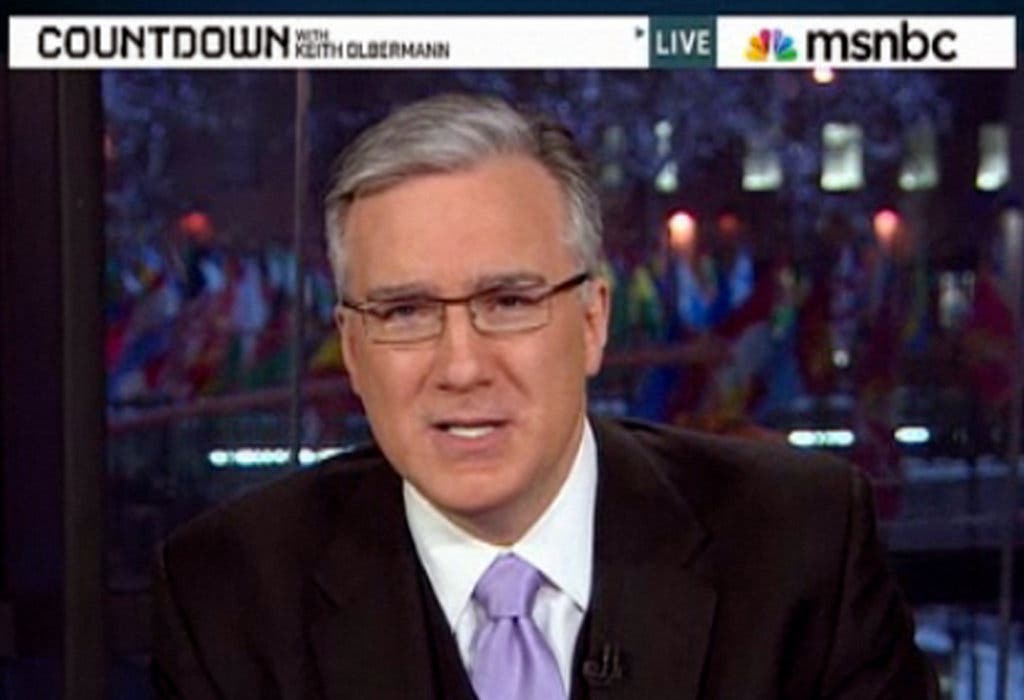
In a recent and fiery statement, veteran political commentator Keith Olbermann openly condemned MSNBC for what he described as a “racially biased shake-up” within the network. This controversial restructuring reportedly resulted in the removal of several key figures, including Joy Reid, a prominent African American host. Olbermann’s comments suggest that this could be the beginning of a broader purge, with speculation mounting that Lawrence O’Donnell might be the next target. This article delves into the details of the shake-up, Olbermann’s accusations, and the potential implications for MSNBC’s future programming and diversity efforts.
Keith Olbermann’s Accusation of a Racially Biased Shake-Up at MSNBC

Keith Olbermann’s critique centers on the recent personnel changes at MSNBC, which he believes are not just routine adjustments but rather a racially motivated effort to reshape the network’s lineup. According to Olbermann, the departure of Joy Reid and several other hosts of color signals a disturbing trend that undermines diversity and inclusivity within the network.
Joy Reid, known for her insightful political analysis and strong following, was among the most notable figures pushed out during this shake-up. Olbermann argues that the decision to remove her and others disproportionately affects minority voices, which raises serious questions about the network’s commitment to representing diverse perspectives.
Furthermore, Olbermann warns that this shake-up is far from over. He speculates that Lawrence O’Donnell, another influential host with a loyal audience, could soon face similar treatment. This prediction has sparked concern among viewers and media analysts who fear that MSNBC may be moving away from its progressive roots and alienating key segments of its audience.
The Impact of the Shake-Up on MSNBC’s Audience and Reputation

The personnel changes at MSNBC have not gone unnoticed by the network’s viewers. Many have expressed disappointment and frustration over the loss of familiar and trusted voices like Joy Reid. For years, Reid has been a champion of progressive causes and a vital presence for viewers seeking diverse viewpoints in political commentary.
Olbermann’s public condemnation has amplified these concerns, drawing attention to the potential consequences of the shake-up on MSNBC’s reputation. Critics argue that sidelining prominent minority hosts could damage the network’s image as an inclusive platform and erode trust among its core audience.
Moreover, the speculation surrounding Lawrence O’Donnell’s future adds to the uncertainty. O’Donnell’s show has been a staple for many viewers, and his possible departure could further destabilize MSNBC’s programming lineup. This uncertainty may lead to decreased viewership and challenges in maintaining advertiser confidence.
What This Means for Diversity in Media

The controversy sparked by Olbermann’s remarks highlights a broader issue facing media organizations today: the struggle to balance business decisions with the need for diversity and representation. As audiences become more diverse and socially conscious, media outlets are under increasing pressure to reflect that diversity in their talent and content.
MSNBC’s shake-up, as criticized by Olbermann, serves as a cautionary tale about the risks of sidelining minority voices. It underscores the importance of maintaining a diverse roster of hosts who can provide varied perspectives and connect with a wide range of viewers.
Media experts suggest that networks must carefully consider the implications of their personnel decisions, not only from a business standpoint but also in terms of social responsibility. Failure to do so can lead to backlash, loss of audience loyalty, and damage to brand reputation.
Conclusion

Keith Olbermann’s sharp criticism of MSNBC’s recent shake-up shines a spotlight on the complex and sensitive issues surrounding race, representation, and media strategy. His warning that this could be just the beginning—with Lawrence O’Donnell potentially next—adds urgency to the conversation about how networks manage diversity and change. For viewers and media watchers alike, this controversy serves as a reminder to stay informed and engaged with the evolving landscape of political commentary.
If you want to stay updated on this developing story and other media industry news, be sure to subscribe to our newsletter and follow our coverage for the latest insights and analysis.




Leave a Reply