Emails Reveal New Theory About Whom Jeffrey Epstein Was Really Working For
Unveiling the Epstein-Putin Connection: A New Perspective

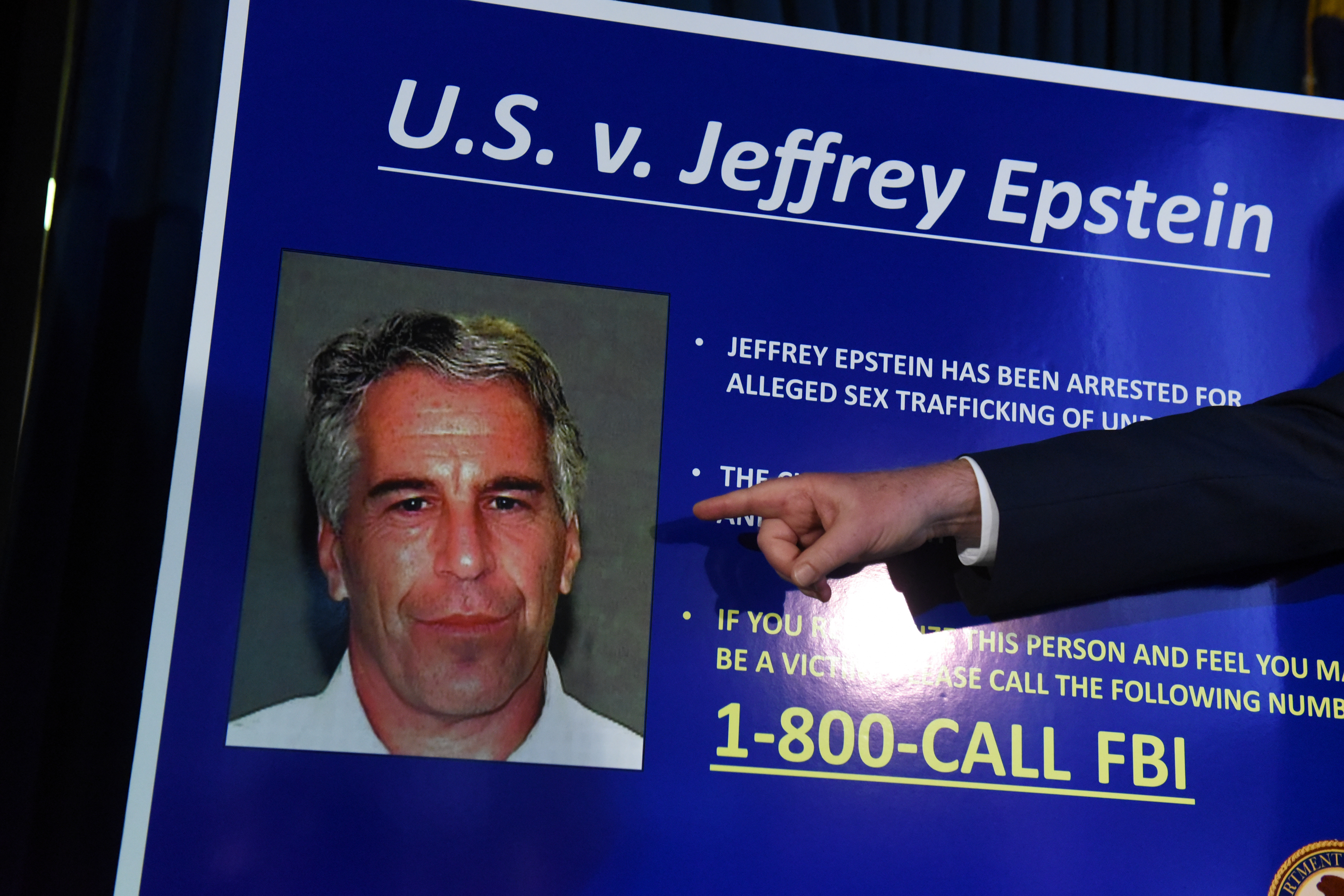
In recent years, the enigmatic figure of Jeffrey Epstein has captivated global attention, not only for his criminal activities but also for the shadowy networks he operated within. The latest tranche of emails and documents released to the public has sparked a new theory about whom Epstein was truly working for. Central to this theory is the repeated mention of Russian President Vladimir Putin and the suggestion that Epstein’s operations extended far beyond the United States, potentially involving state-backed espionage and manipulation.
The emails reveal nearly a thousand references to Putin and close to ten thousand mentions of Moscow, indicating a deep and persistent connection between Epstein and Russian interests. These revelations have fueled speculation that Epstein was involved in trafficking young women from Russia as part of a sophisticated honeytrap scheme designed to ensnare influential figures worldwide.
Details Emerging from the Newly Released Emails

Among the most compelling pieces of evidence are emails dating back to 2010 and 2011, which discuss Epstein’s plans to meet with Putin during trips to Russia. One email from September 2011 mentions an appointment with Putin scheduled for September 16, with arrangements being made for associates to travel ahead of Epstein. This suggests a level of coordination and access that goes beyond casual acquaintance.
In May 2013, Epstein communicated his desire to assist Putin and Russia in “reinventing the financial system,” highlighting his ambitions to influence global economic structures. Correspondence with high-profile individuals such as former Israeli Prime Minister Ehud Barak also references Putin’s attempts to meet with Epstein, which Epstein reportedly declined, citing the need for privacy and dedicated time.
Further emails from 2014 indicate planned meetings that were disrupted by geopolitical events, such as the downing of Malaysia Airlines Flight MH17 over Ukraine. Epstein’s communications during this period reflect an awareness of and engagement with major international incidents, reinforcing the idea that his activities were intertwined with global political dynamics.
Espionage, Intelligence, and the Honeytrap Hypothesis

The theory that Epstein was operating as part of a Russian honeytrap operation is supported by multiple sources and intelligence reports. According to these accounts, Epstein’s network was designed to compromise powerful individuals by exploiting their vulnerabilities, particularly through sexual blackmail. This tactic, often employed in espionage, would allow Russian intelligence agencies to exert influence over politicians, businessmen, and other elites.
Epstein’s alleged ties to the Russian secret service, the KGB, and organized crime further complicate the narrative. FBI sources have indicated that Epstein maintained contact with figures linked to Russian intelligence, including former members of Putin’s inner circle. One notable connection is to Masha Drokova, a former leader of Putin’s youth organization, whose Silicon Valley venture was accused of technology theft linked to intelligence operations.
The involvement of Epstein’s close associate, Ghislaine Maxwell, adds another layer to this complex web. Maxwell’s father, Robert Maxwell, was a known Soviet asset and intelligence operative, suggesting that Epstein’s introduction to espionage activities may have been facilitated through these familial ties.
The Global Impact and the Web of Powerful Figures

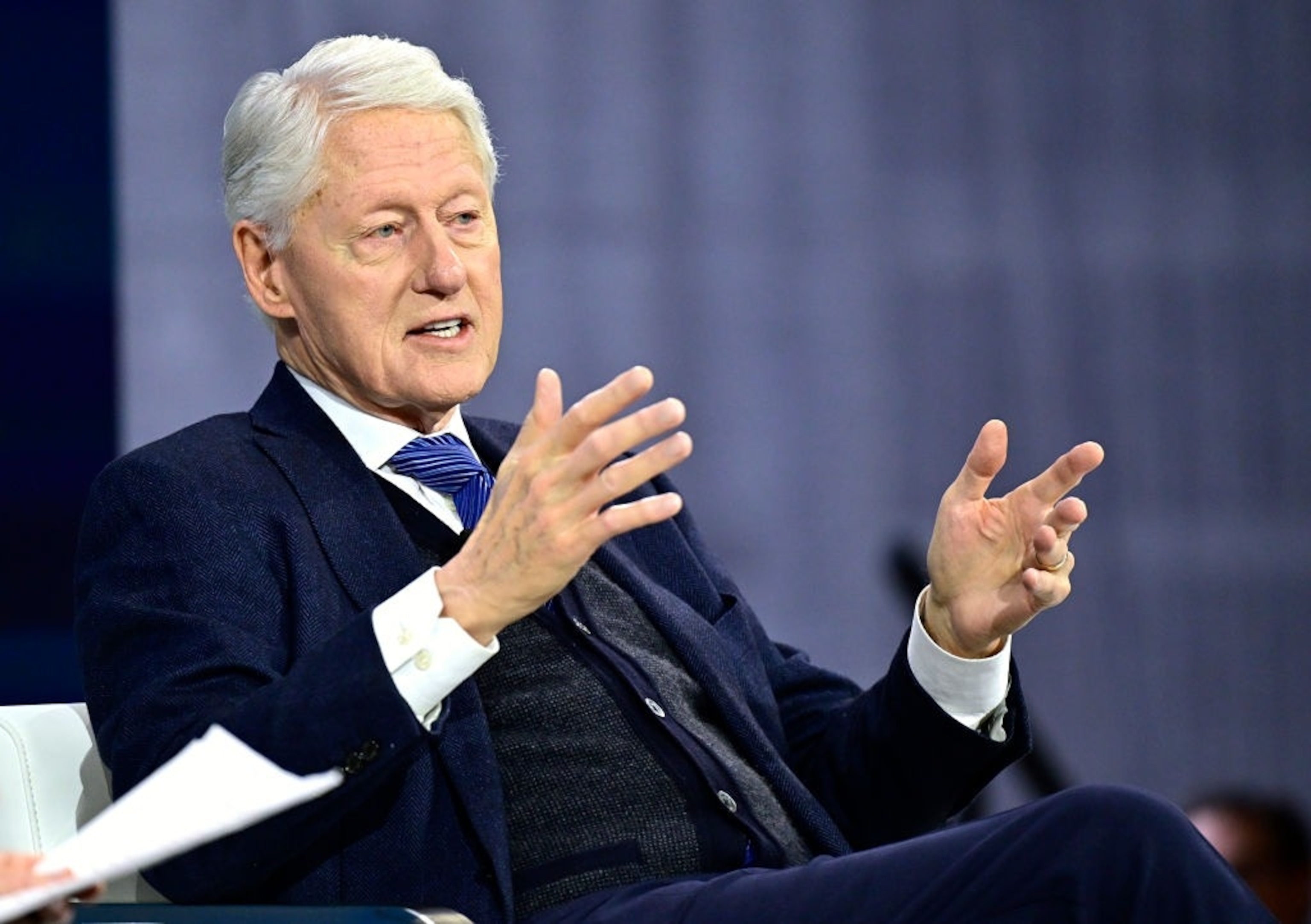
Epstein’s reach extended into the highest echelons of power, with names like Prince Andrew, Bill Clinton, and Bill Gates appearing in the released files. Intelligence sources have expressed concern over the sheer number of influential people who were allegedly compromised by Epstein’s operations. The scale of this network has led some to describe it as the “world’s largest honeytrap,” a systematic effort to control and manipulate global leaders.
The implications of these revelations are profound. If Epstein was indeed working for Russian interests, his activities could have influenced international diplomacy, economic policy, and intelligence operations. The potential for blackmail and coercion raises questions about the integrity of political decisions and alliances during the period in which Epstein was active.
The Mysterious Death of Jeffrey Epstein and Ongoing Investigations

Jeffrey Epstein’s death in August 2019, ruled a suicide by hanging, remains a subject of controversy and conspiracy theories. Many believe that his death was orchestrated to prevent him from revealing sensitive information about his connections and the powerful individuals involved in his network.
Investigations continue into Epstein’s activities, with law enforcement agencies and intelligence services scrutinizing the newly released documents. The ongoing analysis aims to uncover the full extent of Epstein’s operations and the identities of those who may have been complicit or victimized.
Conclusion
The newly released emails revealing Jeffrey Epstein’s connections to Vladimir Putin and Russian interests open a disturbing chapter in understanding the true scope of Epstein’s influence. The theory that Epstein was working for a state-backed honeytrap operation designed to manipulate the world’s elite is gaining traction, supported by extensive evidence and intelligence reports. As investigations proceed, it is crucial for the public to stay informed about these developments and demand transparency from authorities.
If you want to stay updated on the latest revelations about Jeffrey Epstein and related global security issues, subscribe to our newsletter and follow our in-depth coverage. Don’t miss out on critical insights that could reshape how we view international power dynamics.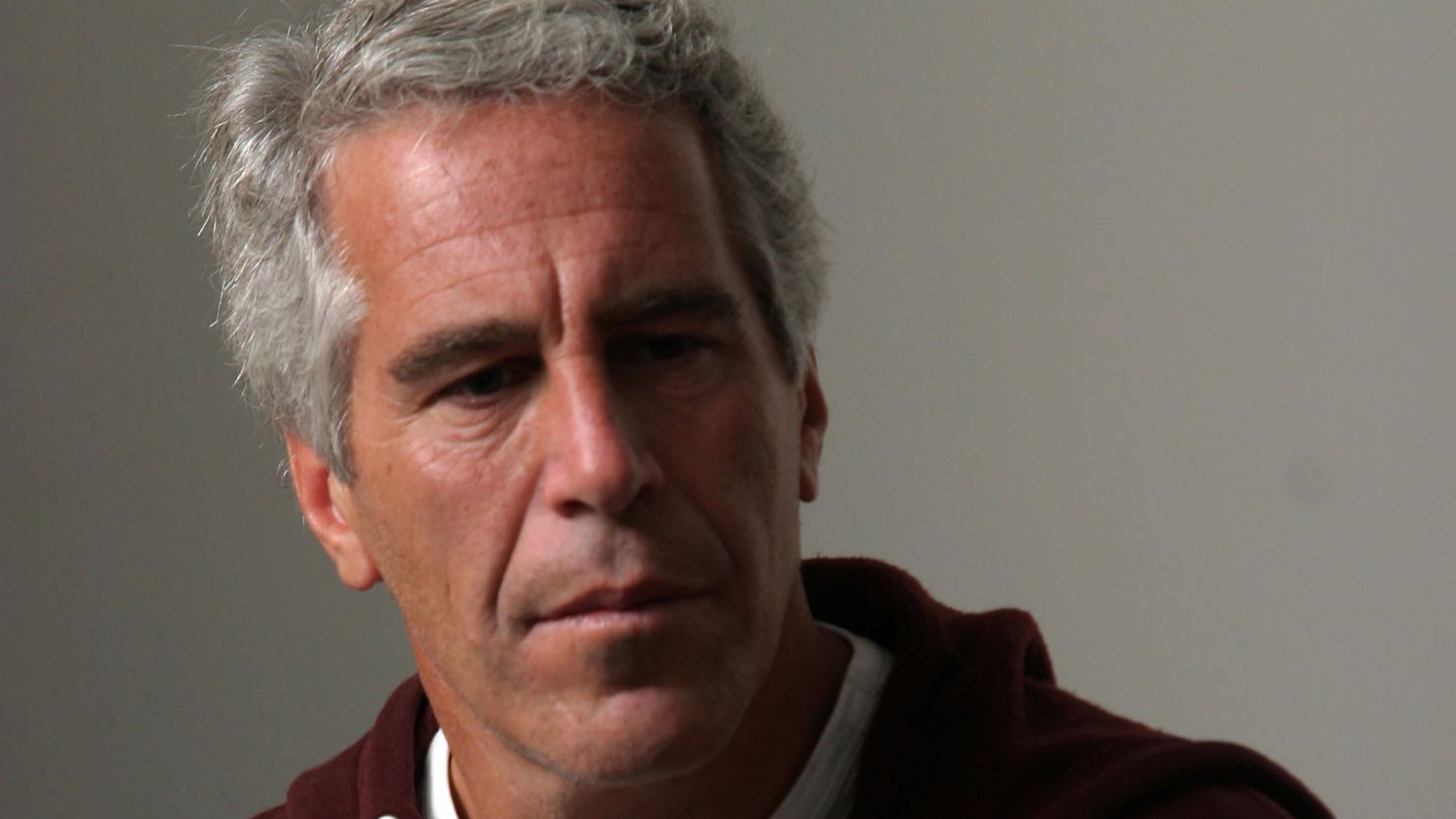





Leave a Reply