
Emails Reveal New Theory About Whom Jeffrey Epstein Was Really Working For
Unveiling a New Theory: Jeffrey Epstein’s Alleged Russian Connections

Recent revelations from thousands of newly released emails have sparked a fresh theory about the true nature of Jeffrey Epstein’s operations. These documents, which surfaced in early 2026, suggest that Epstein was not merely a disgraced financier involved in criminal activities but may have been working for influential Russian figures, including President Vladimir Putin. This theory proposes that Epstein’s infamous network was part of a broader, state-backed espionage effort aimed at manipulating the world’s elite through what some sources describe as the “largest honeytrap” operation in history.
The emails reveal nearly 1,000 references to Putin and close to 10,000 mentions of Moscow, indicating a deep and ongoing connection between Epstein and Russian interests. Unnamed sources within these communications discuss meetings between Epstein and Putin, suggesting that Epstein’s trafficking of young women might have been orchestrated to ensnare powerful individuals in compromising situations, thereby granting leverage to Russian intelligence agencies.
Details From the Newly Released Emails and Their Implications

One of the most striking pieces of evidence comes from an email dated September 11, 2011, which references an upcoming appointment between Epstein and Putin in Russia. This communication hints at a well-organized schedule involving high-level meetings, underscoring Epstein’s significant access to Russian political circles. Another email from November 2010 shows Epstein offering assistance with Russian visas, further highlighting his active involvement in facilitating connections within Russia.
In May 2013, Epstein expressed a desire to help Putin and Russia “reinvent the financial system,” according to an email addressed to the Council of Europe’s secretary general. This message suggests Epstein’s ambitions extended beyond mere financial dealings into geopolitical influence. Additionally, Epstein claimed in correspondence with former Israeli Prime Minister Ehud Barak that Putin had attempted to arrange a meeting with him, which Epstein declined, citing the need for “real time and privacy.”
The emails also reveal Epstein’s interactions with other Russian officials, including Foreign Minister Sergei Lavrov and former UN ambassador Vitaly Churkin. Epstein boasted about helping Churkin understand then-President Donald Trump, implying a role as an intermediary in international political relations. These connections paint a picture of Epstein as a figure deeply embedded in a network of political and intelligence operatives.
Epstein’s Ties to Russian Intelligence and Organized Crime

Beyond his direct links to Putin and other officials, Epstein’s relationship with Russian intelligence agencies has been a subject of speculation. Sources suggest Epstein may have collaborated with the KGB or its successor agencies, using his network to conduct espionage and influence operations. FBI reports indicate Epstein had longstanding ties to Russian organized crime, raising the possibility that he was being blackmailed or coerced by criminal elements.
One notable figure connected to Epstein is Masha Drokova, a former leader of Putin’s youth organization. FBI sources claim Epstein maintained close contact with Drokova, whose Silicon Valley venture was accused of attempting to steal American technology on behalf of intelligence operations. These associations reinforce the theory that Epstein’s activities were part of a broader strategy to infiltrate and manipulate Western institutions.
The Broader Impact: Compromising the Powerful

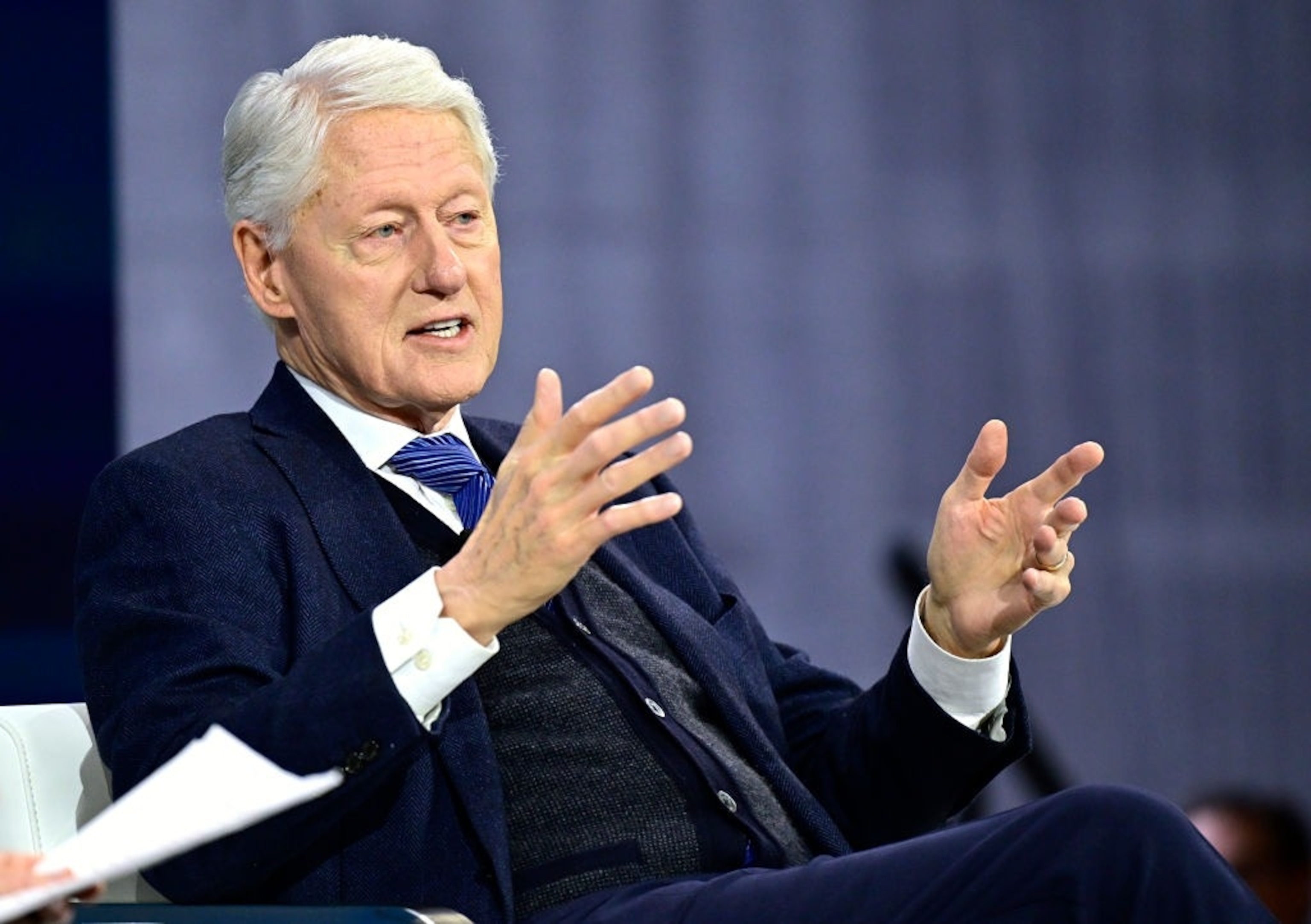
The Epstein files name hundreds of prominent individuals, including politicians, business magnates, and royalty, who were allegedly placed in compromising situations. Figures such as Prince Andrew, Bill Clinton, and Bill Gates have all been linked to Epstein’s network, though all deny any wrongdoing or knowledge of Epstein’s criminal acts.
Intelligence sources describe Epstein’s operation as the “world’s largest honeytrap,” designed to ensnare influential people through blackmail. This tactic would have provided Epstein—and by extension, his alleged Russian handlers—with unprecedented leverage over global power structures.
Epstein’s death in 2019, officially ruled a suicide, has fueled conspiracy theories about the true extent of his connections and the potential motives behind his demise. Some speculate that Epstein’s ties to espionage were introduced through his girlfriend Ghislaine Maxwell’s father, Robert Maxwell, a former British politician and media tycoon with alleged Soviet intelligence links.
Conclusion: What the Epstein Emails Mean for Global Security
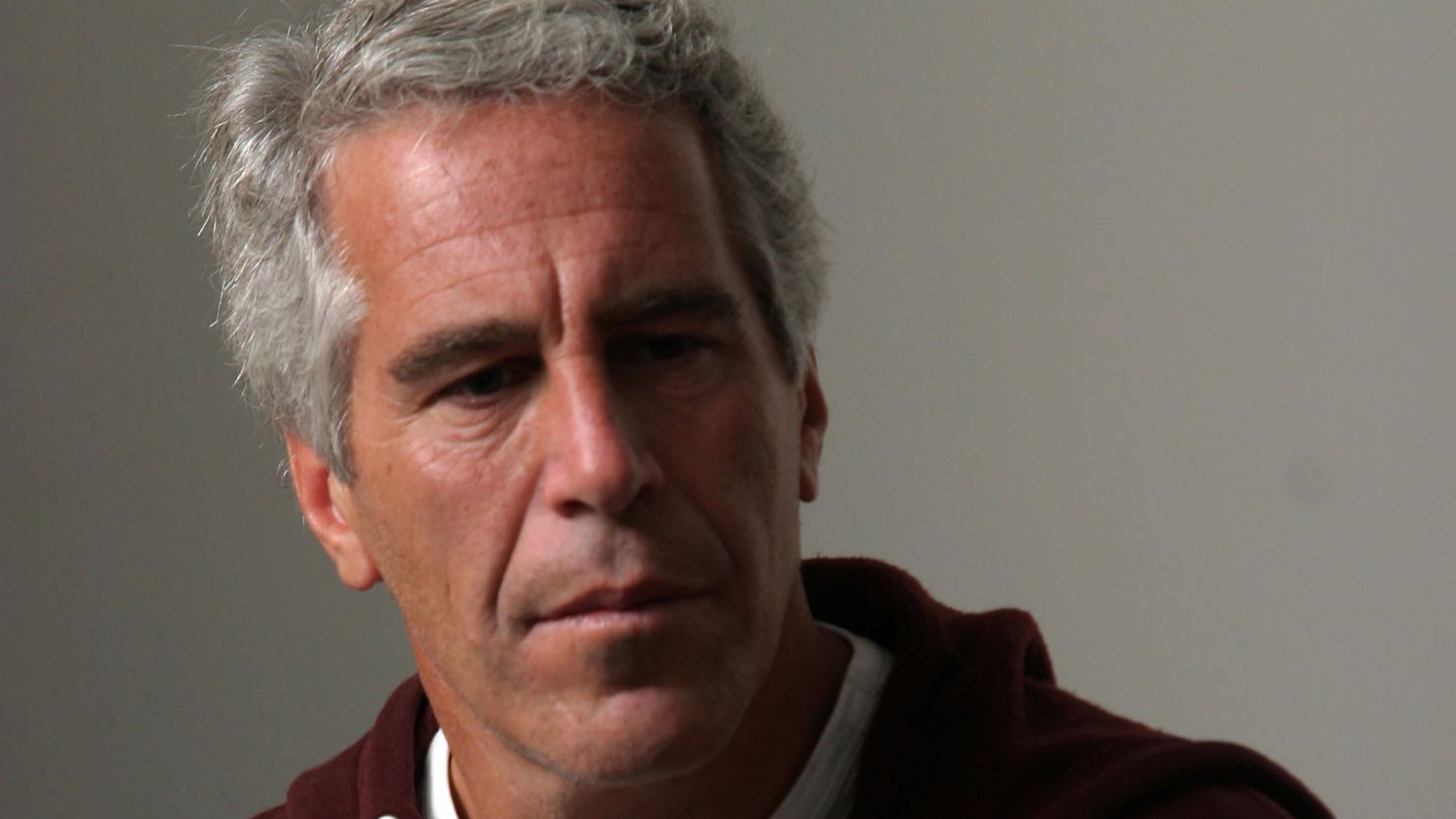
The newly released emails revealing Jeffrey Epstein’s possible connections to Vladimir Putin and Russian intelligence agencies open a Pandora’s box of questions about international espionage, influence, and blackmail. If Epstein was indeed working for Russian interests, his network represents a sophisticated operation aimed at compromising the world’s elite to wield power behind the scenes.
Understanding these revelations is crucial for policymakers, security agencies, and the public as they navigate the complex web of global influence and covert operations. The Epstein files serve as a stark reminder of how power, crime, and espionage can intertwine in unexpected ways.
Are you interested in staying updated on the latest developments in this ongoing investigation? Subscribe to our newsletter for in-depth analysis and breaking news on global security and intelligence matters.






Leave a Reply