
Jeffrey Epstein Calls Himself ‘Tier One’ Sex Predator in Newly Released Steve Bannon Interview
Jeffrey Epstein’s Self-Identification as a ‘Tier One’ Sex Predator

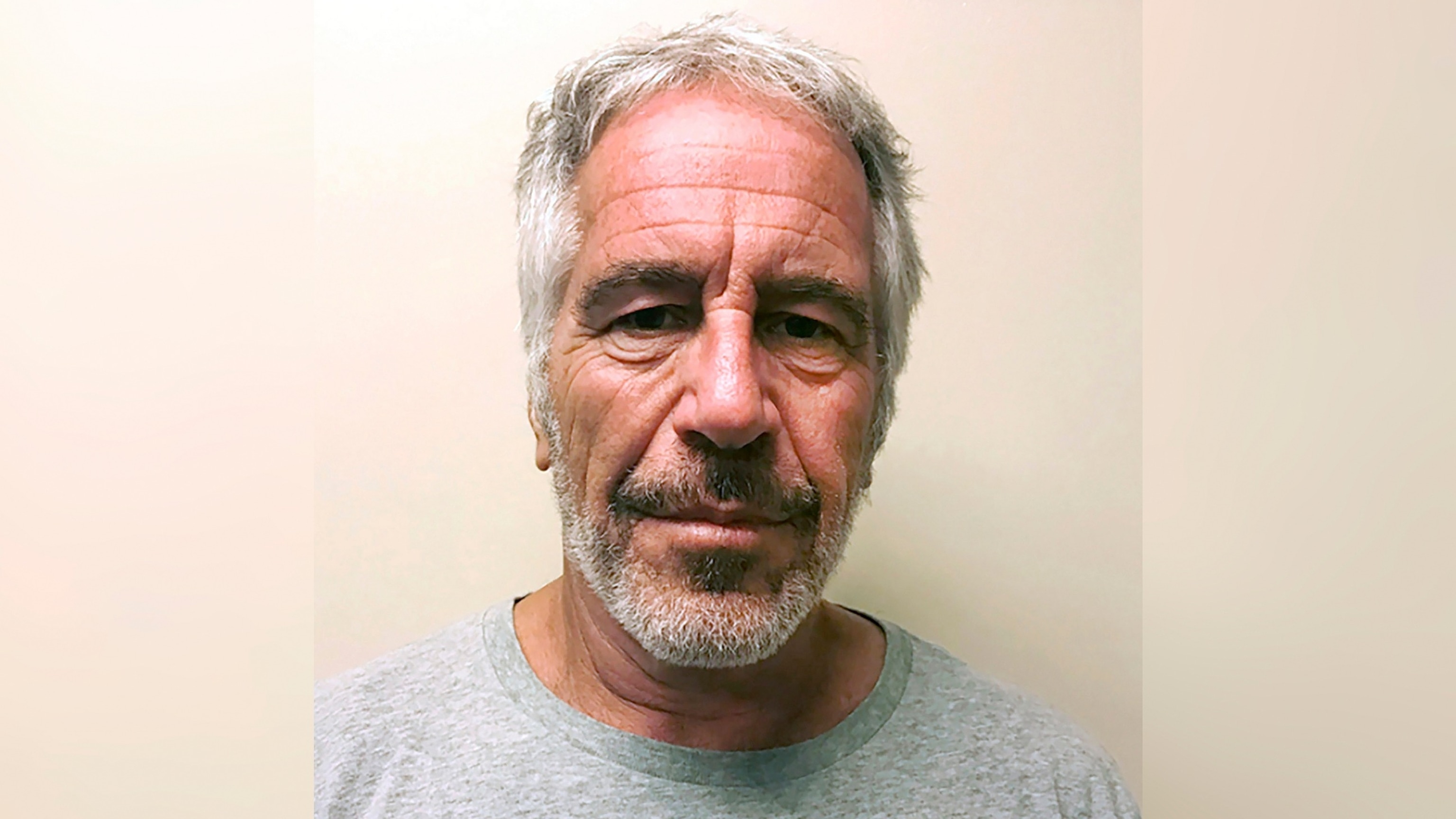
In a startling revelation, convicted sex offender Jeffrey Epstein described himself as a “Tier One” sexual predator during a videotaped interview with former Trump White House strategist Steve Bannon. The interview, which was released by the U.S. Department of Justice, offers a rare and disturbing glimpse into Epstein’s own perception of his crimes and his controversial legacy.
Epstein, who died in a Manhattan jail cell in August 2019 while awaiting trial on federal sex trafficking charges, spoke candidly about his criminal behavior. When questioned offscreen by Bannon about the severity of his offenses, Epstein admitted to being at “the lowest” level of perversion but simultaneously labeled himself as “Tier One,” a term that implies the highest rank or severity in a certain classification system. This paradoxical self-assessment has fueled further public outrage and debate over his actions and the broader implications of his case.
Context and Background of the Interview

The interview was conducted sometime before Epstein’s arrest in July 2019, as suggested by his appearance in the footage. It was part of a larger trove of documents and videos released under the Epstein Files Transparency Act, signed into law to increase public access to materials related to Epstein’s criminal investigations.
Steve Bannon, known for his role in the Trump administration and his controversial political strategies, engaged Epstein in a lengthy discussion that touched on various topics, including Epstein’s wealth, ethics, and philanthropic efforts. Bannon’s involvement in the interview raised eyebrows, as he reportedly sought to rehabilitate Epstein’s public image despite the financier’s notorious reputation.
During the conversation, Bannon pressed Epstein about the origins of his fortune, questioning whether it was derived from “dirty money.” Epstein denied this, asserting that he earned his wealth legitimately. However, Bannon countered by accusing Epstein of advising “the worst people in the world” who committed “enormous, bad things” to increase their wealth. This exchange highlighted the murky ethical waters surrounding Epstein’s financial dealings.
Epstein’s Controversial Comments on Ethics and Philanthropy

One of the more unexpected aspects of the interview was Epstein’s discussion of ethics and charitable giving. Epstein argued that ethics is a complicated subject and defended his donations to polio vaccination programs in developing countries. He suggested that instead of questioning the source of his money, critics should consider the positive impact of his philanthropy on children’s lives.
Epstein stated, “Instead of asking me whether that money should be given to these children for vaccines, I think you might want to ask their mothers — who receive the vaccine, who know their child now won’t get polio — and ask them if Epstein should have helped these people with their money.” This defense, however, did little to mitigate the public’s condemnation of his criminal acts.
When Bannon asked Epstein if he considered himself “the devil himself,” Epstein replied, “No, but I have a good mirror,” implying a self-awareness of his dark reputation but stopping short of full acceptance of that label.
Implications of the ‘Tier One’ Label and Public Reaction

Epstein’s self-description as a “Tier One” sex predator has significant implications for how his crimes are perceived and categorized. The term suggests a level of notoriety and severity that surpasses typical classifications of sexual offenders. This admission adds a new dimension to the ongoing discourse about Epstein’s criminal network, the victims he exploited, and the systemic failures that allowed his activities to continue for years.
Public reaction to the interview has been one of shock and disgust. Many view Epstein’s comments as a disturbing attempt to normalize or rationalize his behavior. The release of the footage has reignited calls for justice for Epstein’s victims and greater transparency in investigations involving high-profile offenders.
Steve Bannon’s Role and Controversies

Steve Bannon’s involvement in the interview has also attracted scrutiny. Critics argue that Bannon’s efforts to engage with Epstein and potentially soften his image reflect a troubling willingness to associate with a convicted sex offender. Bannon’s political background and influence add complexity to the narrative, raising questions about the intersections of power, politics, and criminality.
The interview’s release as part of a broader document dump has also sparked debate about the timing and motivations behind making such sensitive materials public. Some see it as a step toward accountability, while others worry about the potential for misinformation and manipulation.
Conclusion

The newly released interview in which Jeffrey Epstein calls himself a “Tier One” sex predator offers a chilling insight into the mind of one of the most infamous criminals of recent times. This candid admission, combined with Epstein’s controversial remarks on ethics and philanthropy, underscores the complexity and darkness of his legacy. As the public continues to grapple with the implications of this footage, it remains crucial to prioritize justice for Epstein’s victims and demand transparency from those involved.
If you want to stay informed about the latest developments in high-profile criminal cases and their societal impact, subscribe to our newsletter for timely updates and expert analysis.




Leave a Reply