
Leaked Photos of a Dying Jeffrey Epstein as They Try to Save His Life After His Alleged Suicide
The death of Jeffrey Epstein in August 2019 has remained one of the most controversial and scrutinized incidents in recent history. Officially ruled as a suicide by hanging, new leaked photos have surfaced, showing the frantic efforts to save Epstein’s life in the moments following his collapse. These images, released as part of a massive Department of Justice (DOJ) evidence dump in early 2026, have reignited public debate about the circumstances surrounding his death and the alleged negligence at the Metropolitan Correctional Center (MCC).
Leaked Photos Reveal the Chaotic Emergency Response to Jeffrey Epstein’s Death

The recently leaked photos provide the most detailed and graphic glimpse into the emergency response that unfolded after Jeffrey Epstein was found unresponsive in his cell. Paramedics and correctional officers are seen performing life-saving measures in a hallway of the MCC, with medical equipment and a defibrillator in use. The images capture a scene of urgency and disarray, highlighting the desperate attempts to revive Epstein before he was pronounced dead.
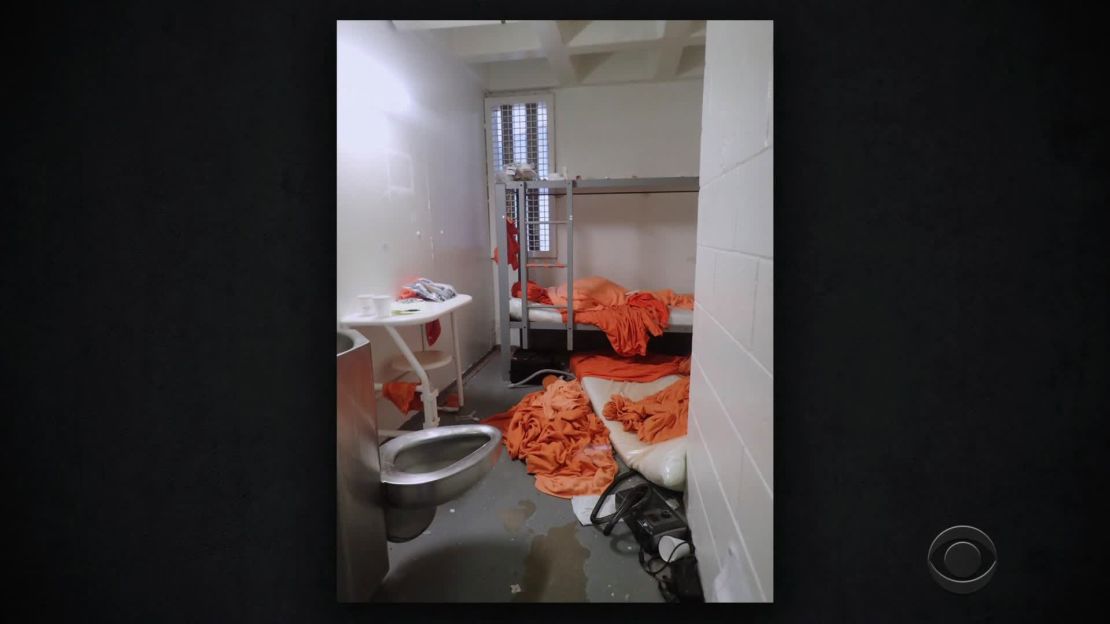
In addition to the emergency response, other photos reveal the condition of Epstein’s cell. Orange bedsheets and linens are piled haphazardly, and one particularly disturbing image shows a strip of bedsheet fashioned into a ligature hanging from a bunk bed. These visuals corroborate the official narrative of suicide but also raise questions about the prison environment and how such an event could have occurred under close supervision.
Institutional Negligence and Systemic Failures Exposed

Beyond the graphic images, accompanying documents from the DOJ release expose a troubling pattern of negligence by MCC staff. Guards on duty reportedly failed to perform mandatory checks on Epstein for over eight hours, a critical lapse given the high-profile nature of his case and his previous suicide attempt. Instead of monitoring Epstein, some guards were found to be sleeping or browsing the internet during their shifts.
This systemic failure has fueled widespread speculation about whether Epstein’s death was truly a suicide or a “planned death” to prevent him from standing trial. Many voices in the media and social platforms argue that the failure to protect Epstein effectively denied justice to his victims, as his death prevented a courtroom examination of his crimes and the potential involvement of powerful associates.
The DOJ has also faced criticism for the way it handled the release of related documents. While some sensitive information about survivors was inadvertently exposed, names of certain associates were redacted, leading to accusations of selective transparency. This has sparked ongoing legal battles over victim privacy and public access to information.
What the Leaked Photos Mean for the Epstein Case and Public Trust

The release of these leaked photos and documents has intensified public scrutiny of the MCC and the broader justice system’s handling of Epstein’s incarceration. Experts describe the prison environment as “forensically compromised,” suggesting that the conditions and protocols in place were inadequate to prevent such a high-profile death.
For many, these images symbolize more than just a tragic end; they represent a failure of accountability and oversight. The chaotic scene captured in the photos underscores the urgent need for reforms in prison monitoring and emergency response procedures, especially for inmates considered at high risk.
Moreover, the ongoing debate surrounding Epstein’s death continues to fuel conspiracy theories and mistrust in official narratives. The graphic evidence has become a focal point for those demanding transparency and justice, not only for Epstein’s victims but for the integrity of the criminal justice system as a whole.
Conclusion

The leaked photos of a dying Jeffrey Epstein provide a haunting and revealing look at the final moments of a man whose death has sparked endless controversy. These images, combined with reports of institutional negligence, highlight serious questions about the circumstances of his alleged suicide and the failures within the Metropolitan Correctional Center. As public interest remains high, it is crucial to demand accountability and transparency to ensure justice is served and such failures are not repeated. Stay informed and join the conversation about this pivotal case—your voice matters in the pursuit of truth and justice.


Leave a Reply