Peter Attia ’60 Minutes’ Segment Pulled in Wake of Epstein Files Uproar
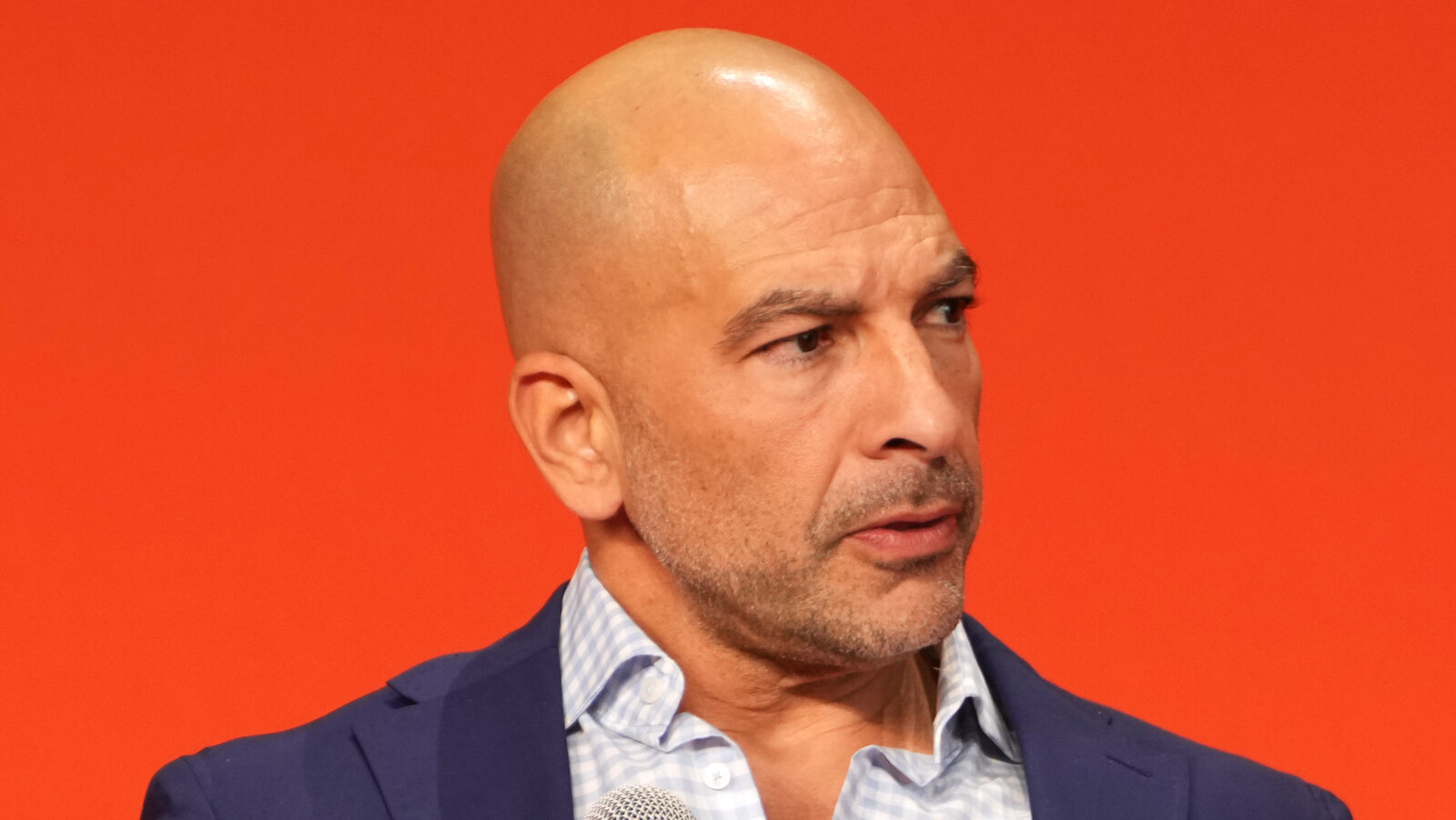
In recent developments, CBS has decided to pull a “60 Minutes” segment featuring Peter Attia after his connections to Jeffrey Epstein surfaced in the latest Epstein files. The revelations have sparked widespread controversy and raised questions about Attia’s professional and personal associations. This article delves into the details behind the decision, the nature of the Epstein files, and the broader implications for media and public trust.
Peter Attia and the Epstein Files Controversy

Peter Attia, a well-known longevity expert and recent contributor to CBS News, first appeared on “60 Minutes” in an interview conducted by correspondent Norah O’Donnell in October. However, following the release of new Epstein files on January 30, 2026, which mentioned Attia over 1,700 times, CBS opted to remove the segment from reruns, including the planned counterprogramming on Super Bowl Sunday.
The Epstein files revealed a series of emails and communications between Attia and Jeffrey Epstein, the convicted sex offender. Some of these exchanges were crude and inappropriate, discussing topics such as female genitalia in a tasteless manner. Other emails suggested that Attia may have been present with Epstein during a critical time when Attia’s wife was hospitalized with their infant son. Additionally, the correspondence included discussions about longevity research, highlighting the professional overlap between Attia and Epstein.
These revelations have caused significant uproar, as they cast a shadow over Attia’s public image and raise questions about his judgment and associations. Media outlets such as Variety, The New York Times, and The Guardian have extensively covered the story, amplifying public scrutiny.
Details of the Emails and Attia’s Response

Among the most controversial pieces of evidence is a 2016 email in which Attia joked about female genitalia being “indeed, low carb,” a remark widely regarded as crude and inappropriate. Other emails confirm meetings between Attia and Epstein’s associates, including a July 13, 2017 appointment that coincided with a personal family crisis for Attia.
In his 2022 book “Outlive,” Attia recounted a harrowing experience when his infant son stopped breathing and was hospitalized for several days. During this time, Attia remained in New York, attending meetings with Epstein, despite his wife’s pleas for him to be by her side. He later expressed deep regret and self-reproach for prioritizing work over family during this critical period.
Following the public exposure of these emails, Attia issued a lengthy apology on the social media platform X (formerly Twitter). He clarified that he was not involved in any criminal activity related to Epstein’s offenses and denied any participation in sexual abuse or exploitation. Attia explained that he met Epstein in 2014 through a prominent female healthcare leader while fundraising for scientific research. He admitted to meeting Epstein seven to eight times at the financier’s New York City residence to discuss research and networking opportunities.
Despite distancing himself from Epstein’s criminal actions, Attia acknowledged that some of his emails were “embarrassing, tasteless, and indefensible,” taking full responsibility for the fallout.
Impact on CBS and Media Ethics

The decision by CBS to pull the “60 Minutes” segment reflects the network’s sensitivity to public perception and the potential damage to its reputation. The timing of the segment’s removal, especially ahead of a major event like the Super Bowl, underscores the seriousness with which CBS is handling the controversy.
This incident also raises broader questions about media ethics, vetting processes, and the responsibilities of news organizations when featuring contributors with controversial backgrounds. The Epstein files have already implicated numerous public figures, and media outlets are under pressure to ensure transparency and accountability.
For viewers and the public, the controversy serves as a reminder of the complexities behind public personas and the importance of scrutinizing the associations of influential figures.
Conclusion

The removal of Peter Attia’s “60 Minutes” segment amid the Epstein files uproar highlights the ongoing fallout from the Jeffrey Epstein scandal and its far-reaching impact on media and public figures. While Attia has apologized and denied any criminal involvement, the revelations have undeniably affected his reputation and raised important questions about judgment and accountability.
As the story continues to develop, it is crucial for audiences to stay informed and critically evaluate the information presented by media outlets. For more updates on this and related news, stay tuned and subscribe to our newsletter for the latest insights.
Take action now—share this article to spread awareness and join the conversation about media responsibility and public trust.
:max_bytes(150000):strip_icc():focal(599x0:601x2)/peter-attia-020326-4e9e87186e5a48a7923dc3620b544268.jpg)


Leave a Reply