
Jesy Nelson Breaks Down in Tears Over Twin Daughters’ Spinal Muscular Atrophy Diagnosis
Jesy Nelson, the former Little Mix star, recently opened up about a deeply emotional and heartbreaking moment in her life—the diagnosis of her twin daughters with spinal muscular atrophy (SMA). The devastating news left Jesy overwhelmed, describing the experience as feeling “like someone had died.” This candid revelation not only highlights the personal struggles Jesy and her family face but also sheds light on the importance of awareness and early intervention for this rare genetic disorder.
Jesy Nelson’s Emotional Journey: The Moment She Learned About Her Twins’ SMA Diagnosis

Jesy Nelson’s world was turned upside down when she discovered that her twin daughters, Ocean and Story, were diagnosed with SMA Type 1, the most severe form of this condition. SMA is a genetic disorder that attacks the motor neurons in the spinal cord, resulting in progressive muscle weakness and loss of movement. For Jesy, the diagnosis was a crushing blow, as she described the moment as feeling like “someone had died.”
The singer shared her story during an emotional interview on the Great Company podcast, where she recalled walking into a hospital room filled with doctors and specialists. The gravity of the situation was immediately apparent, and Jesy’s raw emotions reflected the shock and grief that many parents experience when faced with such life-altering news.
Jesy’s twins were born prematurely, and initially, subtle signs of SMA went unnoticed. It was Jesy’s mother who first observed that the girls were not moving their legs as expected. This prompted Jesy to seek medical advice, leading to a series of tests that confirmed the diagnosis. The waiting period for confirmation was agonizing, but Jesy’s intuition had already prepared her for the worst.
Understanding Spinal Muscular Atrophy: Symptoms, Types, and Impact

Spinal muscular atrophy is a rare genetic disorder that affects approximately 1 in 11,000 babies. It is caused by a mutation in the SMN1 gene, which leads to the loss of motor neurons responsible for muscle control. SMA manifests in several types, classified by the age of onset and severity:
– **Type 1:** The most severe form, diagnosed within the first six months of life. Without treatment, it can be fatal.
– **Type 2:** Diagnosed after six months; children may sit but often cannot walk independently.
– **Type 3:** Diagnosed after 18 months; individuals may walk but often require mobility aids later.
– **Type 4:** Adult-onset, the rarest and mildest form.
Common symptoms include muscle weakness, difficulty with movement such as sitting or crawling, muscle twitching, and respiratory challenges. Importantly, SMA does not affect cognitive abilities, meaning children with SMA can develop mentally like their peers.
Jesy Nelson’s Advocacy: Raising Awareness and Fighting for Early Detection

Since her daughters’ diagnosis, Jesy Nelson has become a passionate advocate for SMA awareness. She is campaigning for the inclusion of SMA in the NHS newborn heel-prick screening program, which currently tests for ten other conditions but excludes SMA. Early detection is critical because treatments like gene therapy can significantly improve outcomes if administered promptly.
Jesy and her partner, Zion Foster, secured a one-time gene therapy infusion for their daughters. While this treatment cannot reverse existing muscle damage, it helps prevent further deterioration and offers hope for a better quality of life.
Jesy’s advocacy extends beyond her family; she aims to educate the public and policymakers about SMA’s impact and the urgent need for improved screening and treatment options. Her efforts highlight the importance of early diagnosis in transforming the lives of children affected by this condition.
The Importance of Early Intervention and Support

Early diagnosis and treatment of SMA are crucial in managing the disease and improving motor function. Gene therapies and other medical interventions can slow the progression of muscle weakness, allowing children to achieve developmental milestones that might otherwise be impossible.
Jesy Nelson’s campaign to add SMA to newborn screening programs is a vital step toward ensuring that more families receive timely diagnoses and access to life-changing treatments. Raising awareness helps reduce stigma and encourages parents to trust their instincts if they notice developmental delays in their children.
Conclusion: Join Jesy Nelson in Advocating for SMA Awareness and Support
Jesy Nelson’s emotional disclosure about her twin daughters’ spinal muscular atrophy diagnosis brings much-needed attention to this rare and challenging condition. Her courage in sharing her story and dedication to raising awareness underscore the critical importance of early detection and treatment.
If you or someone you know has concerns about SMA, don’t hesitate to seek medical advice and support. Together, we can help ensure that children affected by SMA receive the care and treatment they deserve. Stay informed, spread awareness, and join Jesy Nelson in advocating for a brighter future for families impacted by spinal muscular atrophy.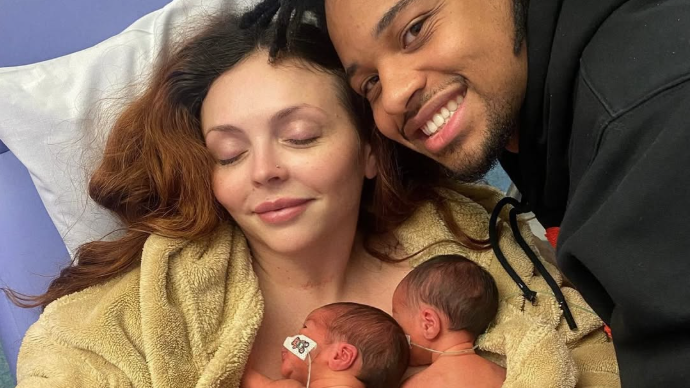

Leave a Reply