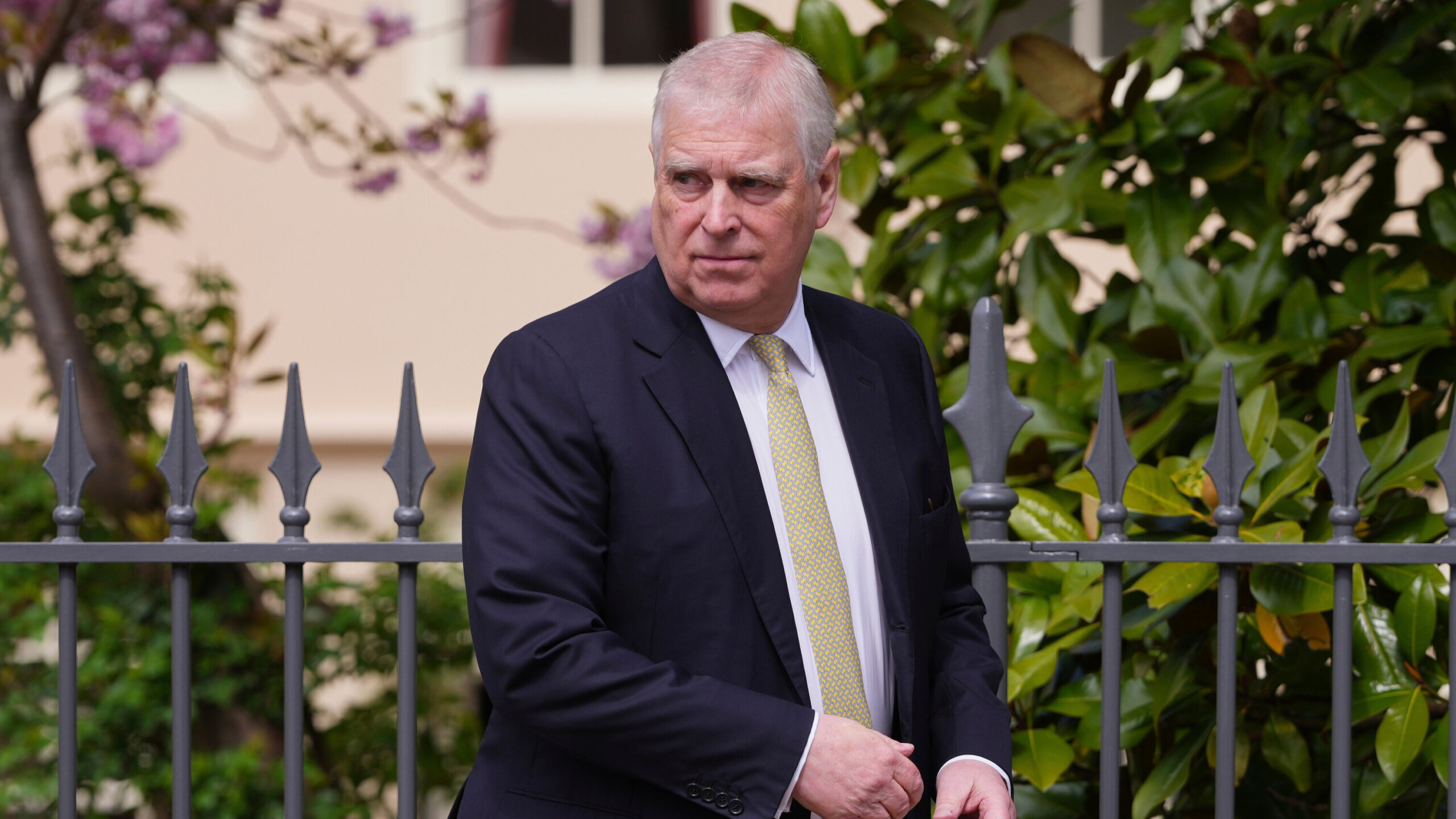
EXCLUSIVE: The One Reason Andrew Windsor Kept Going Back to Jeffrey Epstein Revealed — And It’s All About Cash
Andrew Windsor’s Financial Struggles: The Real Reason Behind His Return to Jeffrey Epstein
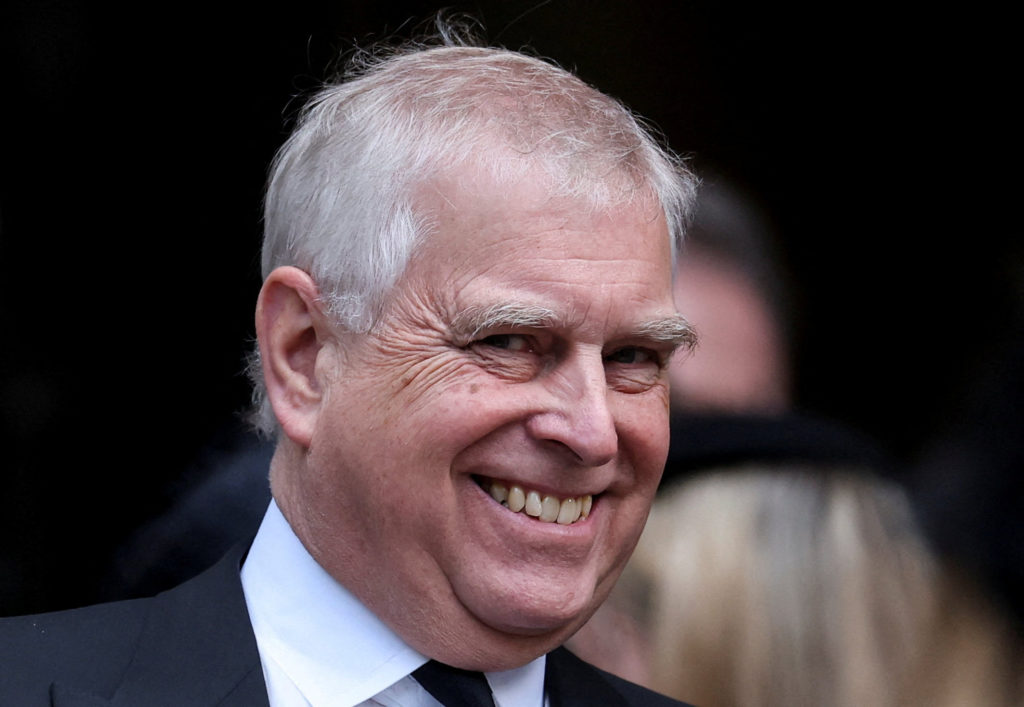
The recently unveiled Justice Department documents shed light on a surprising truth: Andrew Windsor’s persistent returns to Jeffrey Epstein were motivated primarily by financial concerns. Contrary to public speculation about friendship or other personal reasons, it was money that repeatedly drew the former Duke of York back into the orbit of the disgraced financier and convicted sex offender. This revelation not only clarifies Andrew’s controversial relationship with Epstein but also exposes the deeper financial turmoil surrounding his ex-wife, Sarah Ferguson.
The Financial Collapse of Sarah Ferguson and Its Impact on Andrew Windsor
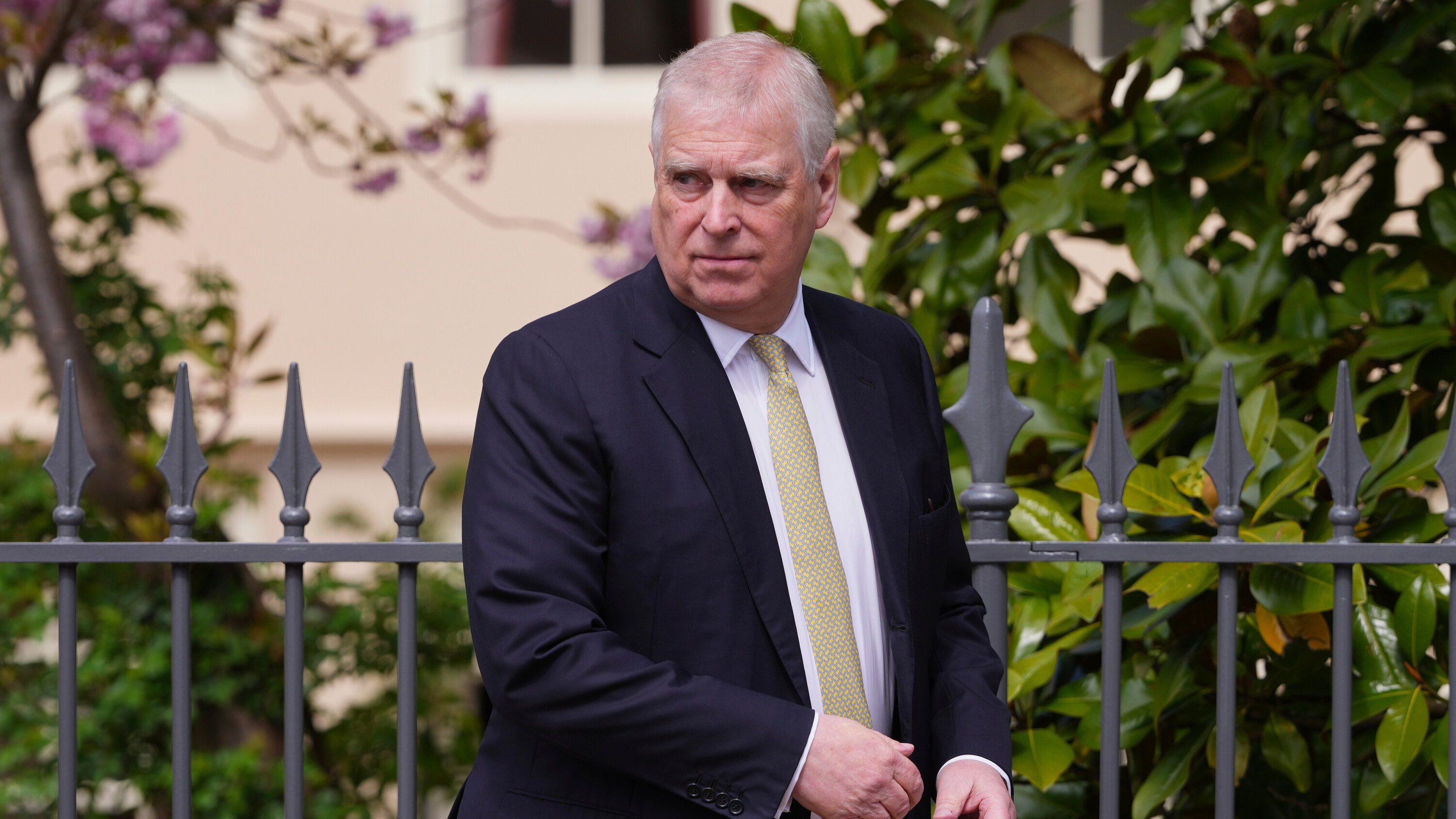
Around 2010, Sarah Ferguson, the Duchess of York, faced a severe financial crisis. Years of extravagant spending and unsuccessful business ventures culminated in debts nearing $7 million, including substantial legal fees in the United States. As creditors closed in, the pressure mounted on both Ferguson and Andrew Windsor to find a resolution that would prevent public embarrassment and further financial damage.
Central to this financial turmoil was Johnny O’Sullivan, Ferguson’s personal assistant for 18 years. O’Sullivan was owed $126,721 in unpaid wages and education fees, including a significant debt for his Columbia University MBA. His insistence on receiving full payment threatened to expose the royal family’s financial difficulties to the public, creating a potential scandal.
How Epstein Became the Financial Fixer
The Justice Department files reveal that Andrew Windsor and his advisers, including those connected to Buckingham Palace, saw Jeffrey Epstein as a potential solution to their financial woes. Epstein, despite his notorious reputation, was approached to cover the unpaid bills linked to Ferguson, particularly those owed to O’Sullivan.
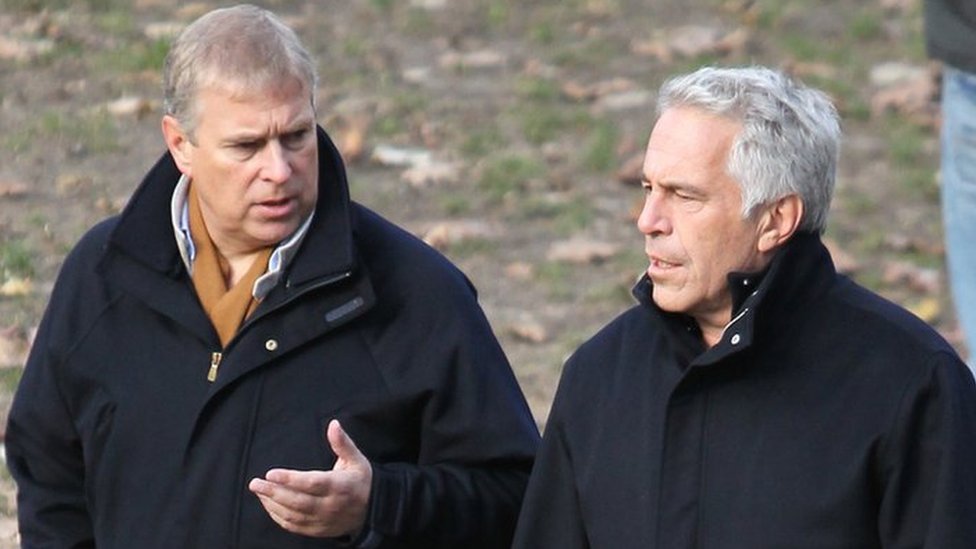
In December 2010, Andrew and Epstein were photographed walking together in Central Park, an image that later symbolized Andrew’s poor judgment and questionable associations. Behind the scenes, Epstein agreed to intervene but expressed disdain for O’Sullivan, referring to him derogatorily in private communications.
An email from Epstein to Andrew dated February 28, 2011, confirms the arrangement: Epstein agreed to pay $60,000 in wages and taxes to settle the debt, but warned that any public disclosure of the payment would appear as a payoff to O’Sullivan, whom he did not trust.
The Fallout: Money, Not Friendship, Drove Andrew’s Actions
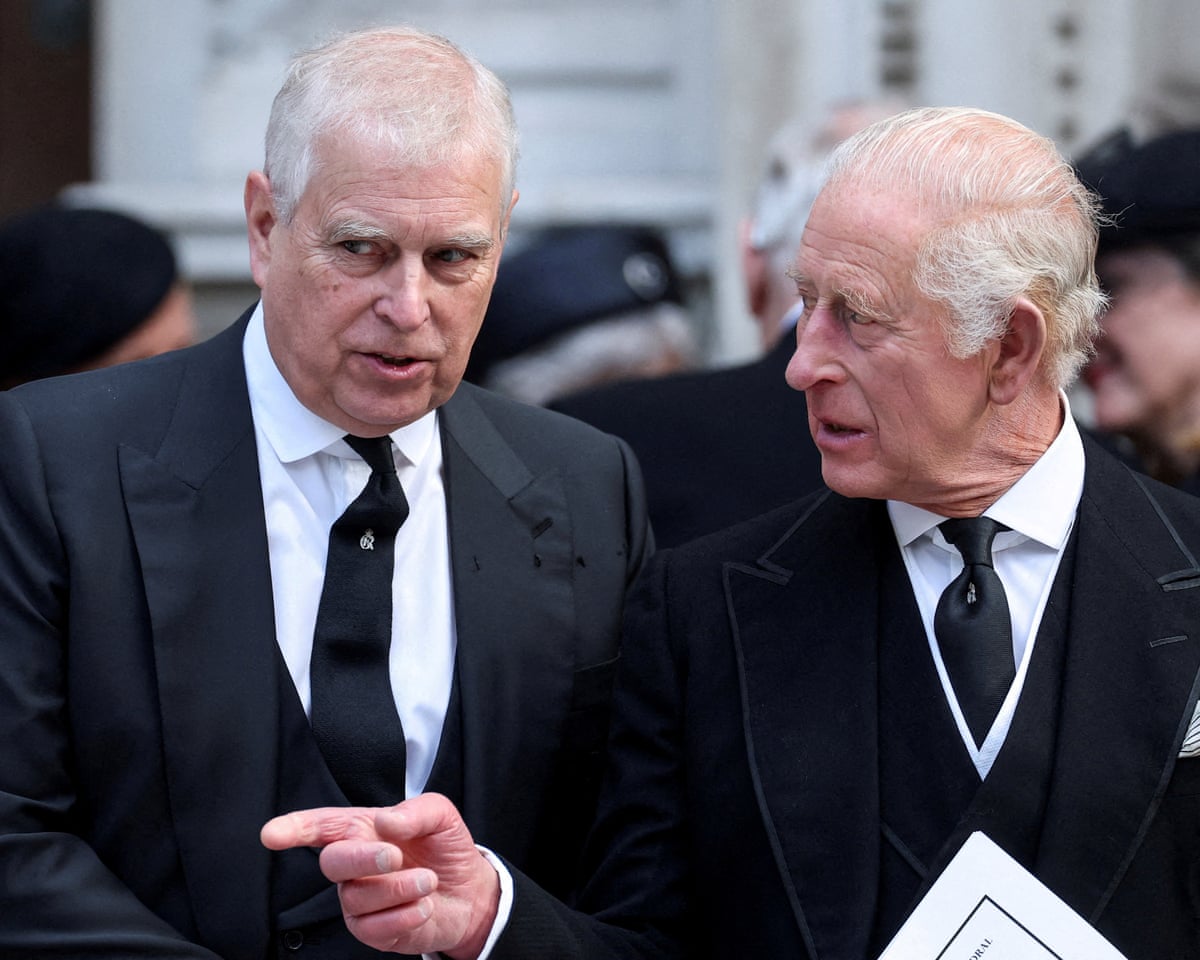
A former palace aide commented on the situation, emphasizing that Andrew’s primary concern was managing cash flow and controlling damage rather than maintaining a friendship with Epstein. This perspective is echoed by royal historians who interpret the newly released files as clear evidence that financial necessity, not personal loyalty, was the driving force behind Andrew’s repeated interactions with Epstein.
The documents also highlight the desperation of Ferguson’s financial position. Creditors were offered only a fraction of what they were owed, with proposals such as “25 pence in the pound” settlements. O’Sullivan himself was offered $31,680 as a final settlement, far less than his outstanding wages.
Emails from late 2010 show that Epstein was made aware of the financial crisis and the risk that O’Sullivan might go public with damaging stories about his long tenure as Ferguson’s aide. This threat added urgency to the need for a discreet resolution.
Unpaid Debts and Escalating Tensions
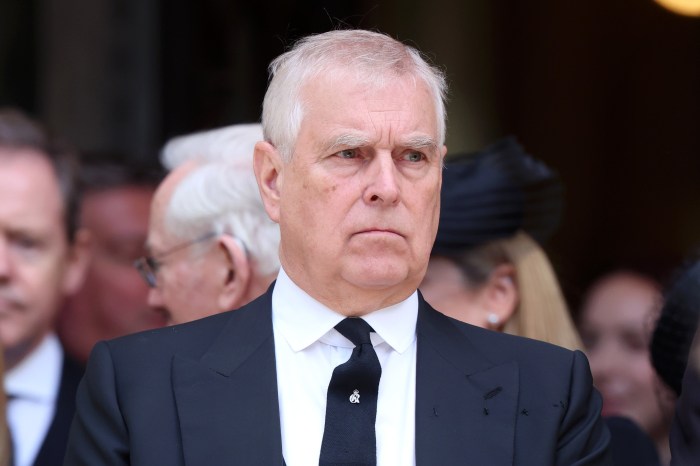
Despite the agreement, O’Sullivan continued to press for full payment, particularly concerning his student debt. Correspondence from early 2011 reveals his frustration and disappointment with the slow progress and lack of clear communication. He reached out directly to Epstein’s aides and Andrew’s private secretary, Amanda Thirsk, expressing that he remained unpaid and that the situation was unacceptable.
A legal expert familiar with the case described the irony of the situation: Andrew’s attempt to quietly resolve a financial problem by involving Epstein only intensified the scandal that would later contribute to his public disgrace.
Conclusion: Understanding the Financial Motive Behind Andrew Windsor’s Epstein Connection
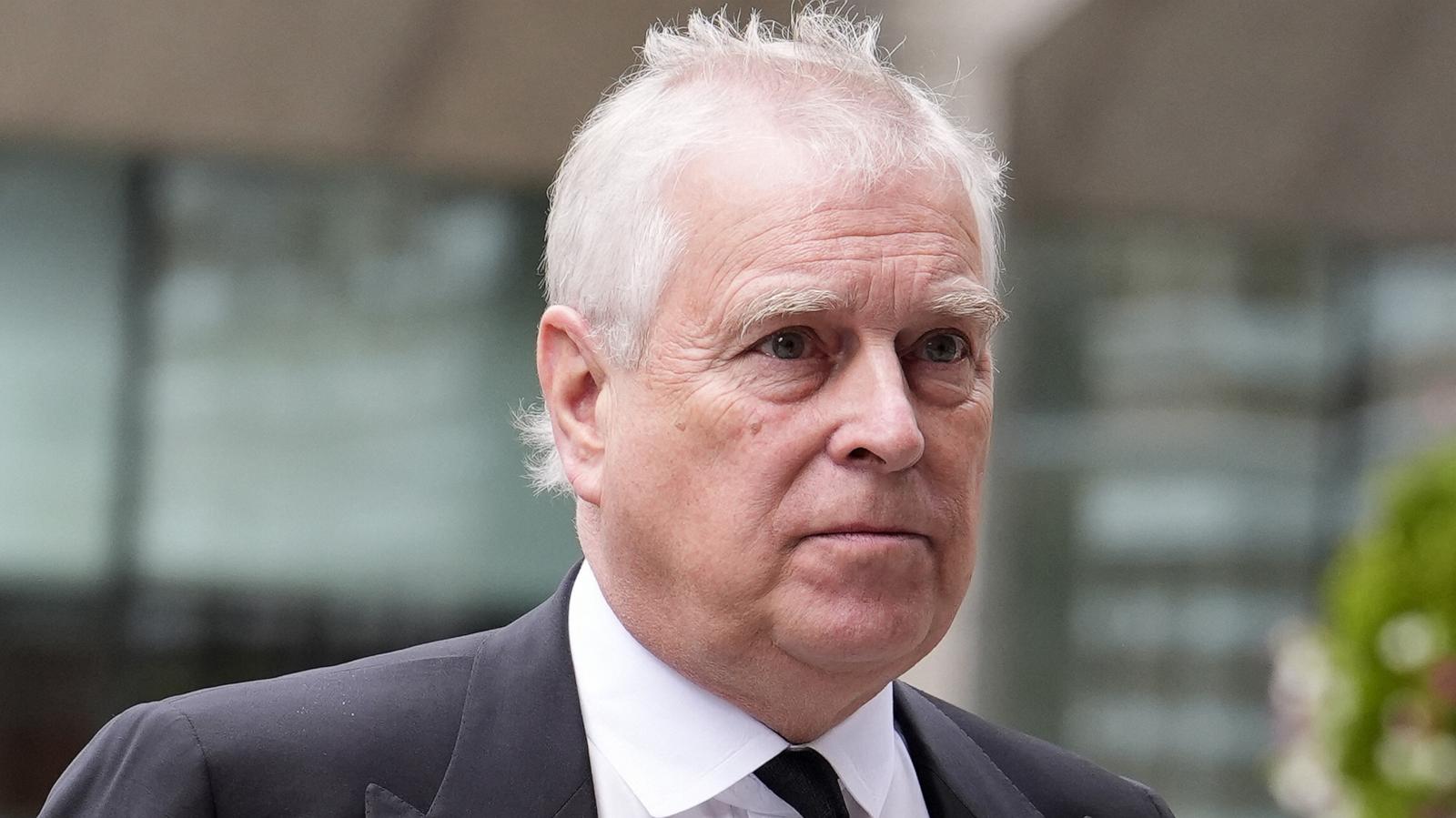
The exclusive insights from the Justice Department’s Epstein files make it clear that Andrew Windsor’s repeated returns to Jeffrey Epstein were driven by financial desperation rather than friendship or loyalty. The mounting debts of Sarah Ferguson and the urgent need to settle outstanding bills, especially those owed to long-time aides like Johnny O’Sullivan, pulled the former Duke of York back into Epstein’s controversial circle. This financial entanglement not only exposed Andrew to public scrutiny but also played a significant role in his eventual downfall.
If you want to stay informed about the latest revelations involving high-profile figures and their hidden financial struggles, subscribe to our newsletter for exclusive updates and in-depth analyses. Don’t miss out on uncovering the stories behind the headlines!



Leave a Reply