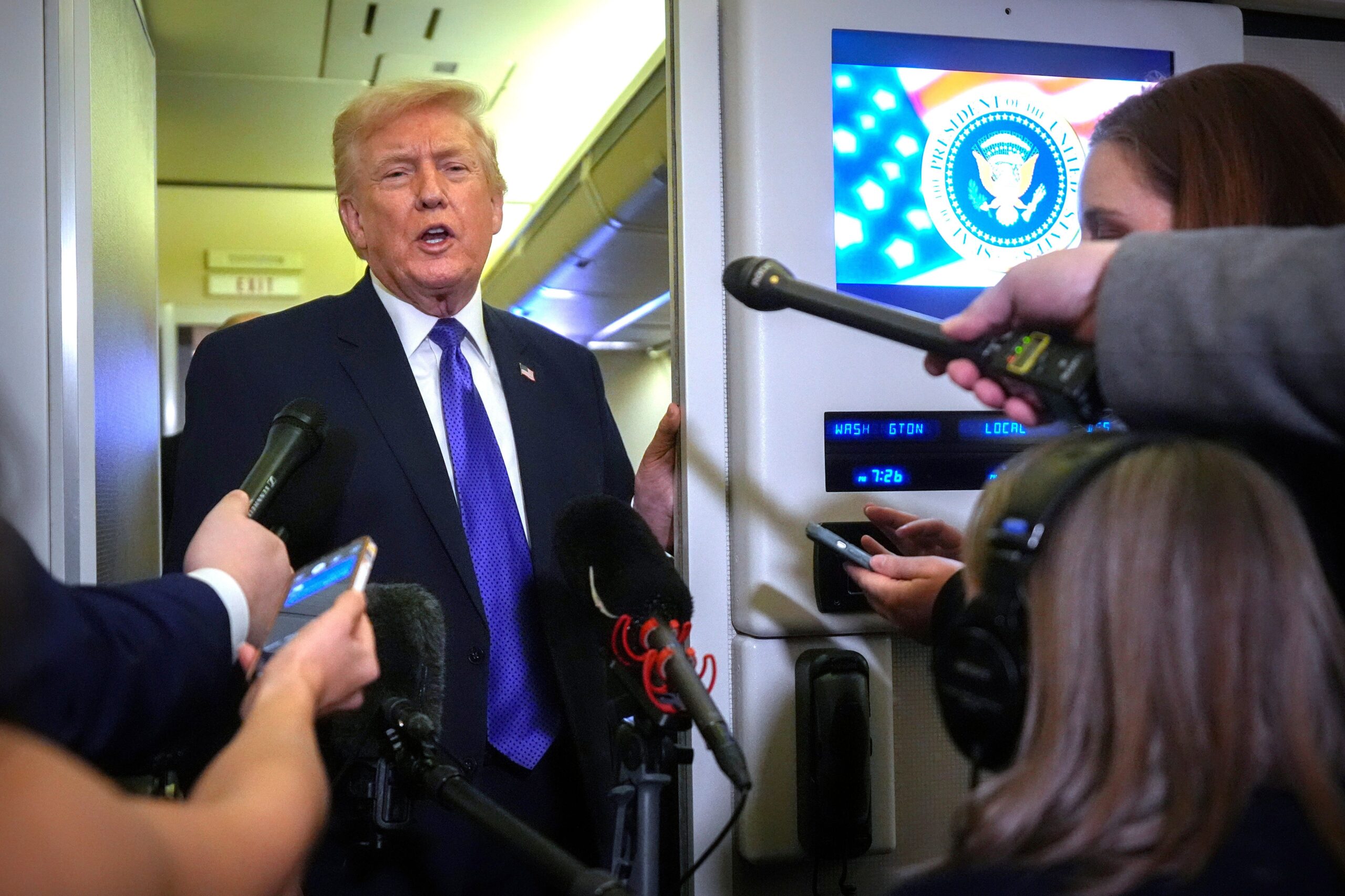
Trump Won’t Say Sorry To Obamas For Vile AI Apes Video Posting: “I Didn’t Make A Mistake”
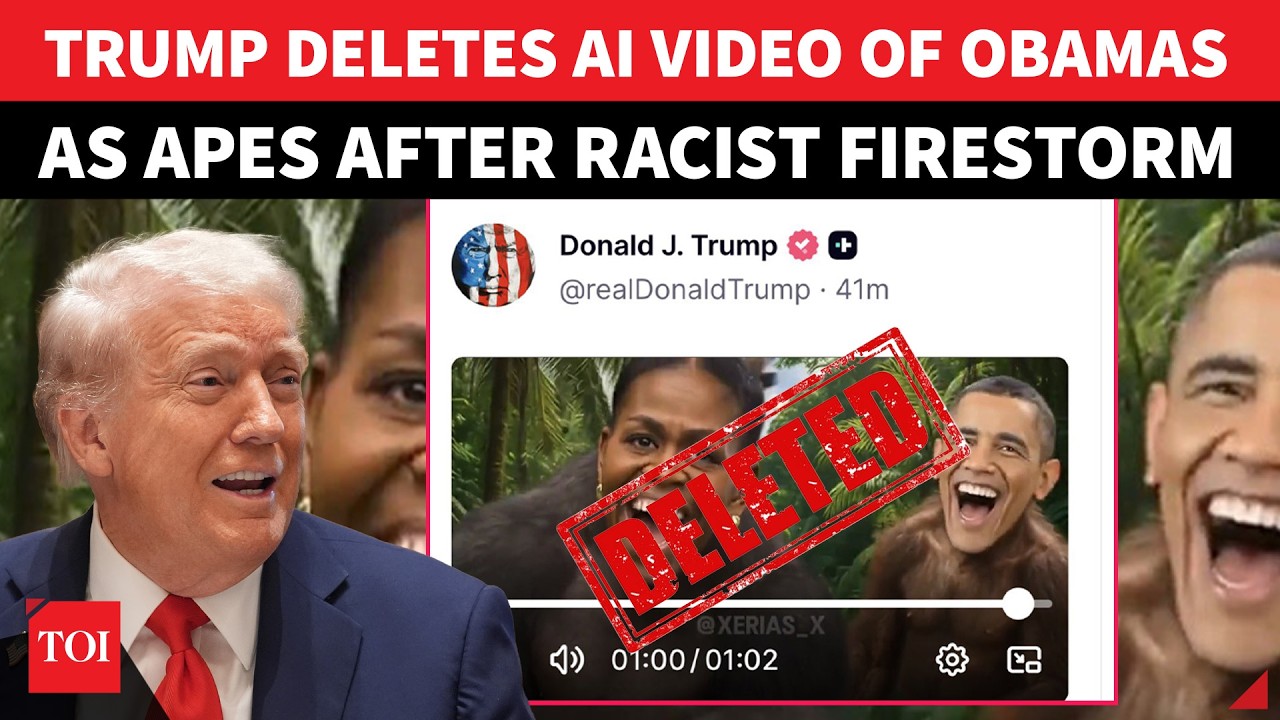
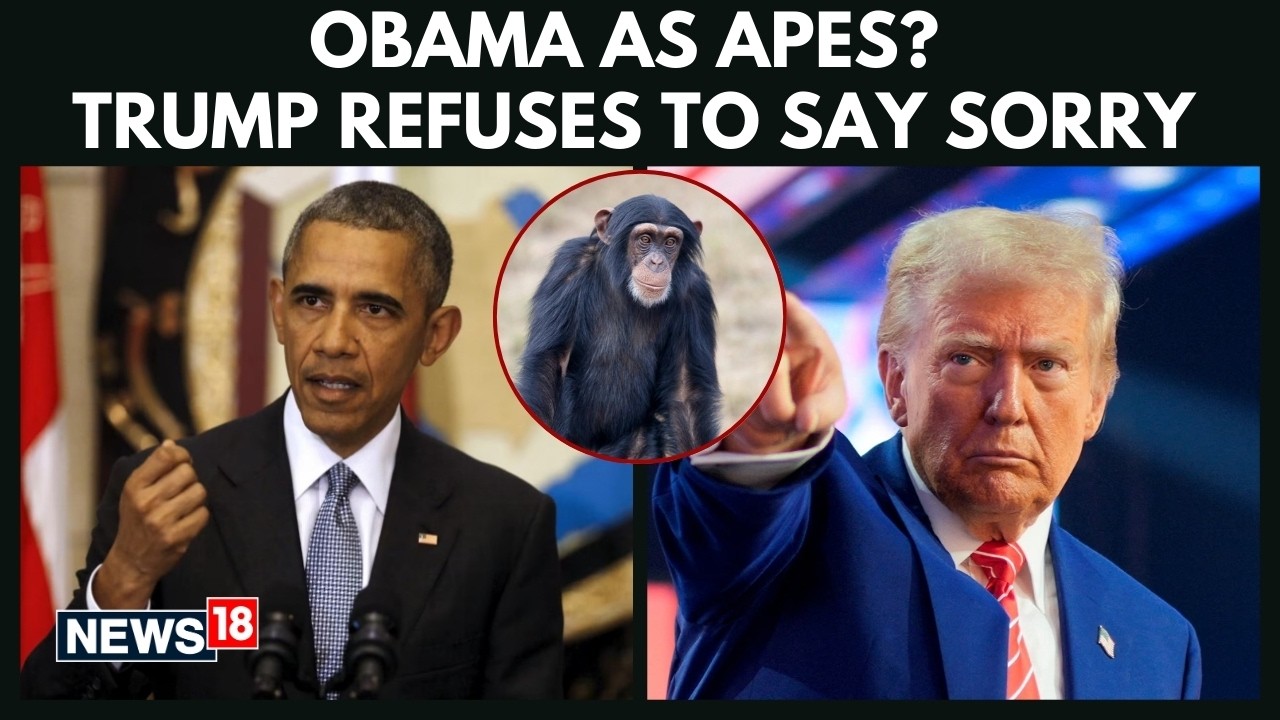
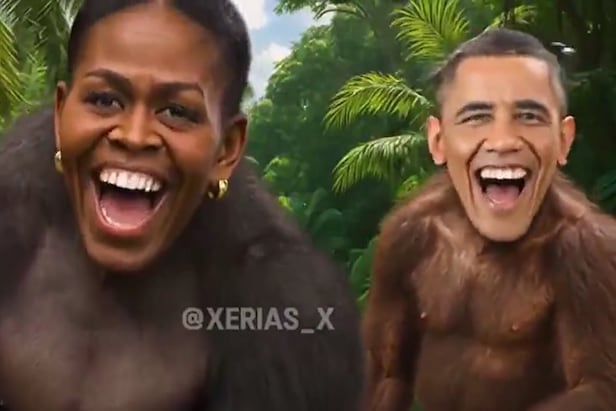
Former President Donald Trump is once again at the center of controversy after an AI-generated video surfaced on his Truth Social platform, depicting Barack and Michelle Obama as apes. The offensive content has drawn widespread condemnation from political leaders, social media users, and civil rights groups alike. However, Trump has remained defiant, refusing to issue an apology and standing by his actions with the statement, “I didn’t make a mistake.” This incident has reignited discussions about the responsibilities of public figures in the digital age, the dangers of AI-generated content, and the limits of free speech on social media platforms.
Trump’s Refusal to Apologize for the Offensive AI Video
The AI-generated video that portrays former President Barack Obama and former First Lady Michelle Obama as apes quickly went viral after being posted on Truth Social, a platform created by Trump himself. The video’s racist undertones sparked immediate outrage, with many calling it a blatant act of disrespect and a dangerous example of digital hate speech. Despite the backlash, Trump has doubled down on his stance, refusing to acknowledge any wrongdoing.
In a recent interview, Trump stated, “I didn’t make a mistake. I didn’t create that video, but I posted it. And I stand by it.” This response reflects a long-standing pattern of behavior where Trump often denies responsibility or downplays the impact of controversial actions. His refusal to apologize has further polarized public opinion, with supporters defending his right to free speech and critics condemning the perpetuation of harmful stereotypes.
The incident also raises questions about the role of AI in creating and disseminating offensive content. As AI technology becomes more accessible, the potential for misuse grows, making it imperative for social media platforms and public figures to exercise greater caution and accountability.
The Broader Implications of AI-Generated Content and Political Accountability

The controversy surrounding the AI video is not just about one offensive post; it highlights broader issues related to technology, politics, and societal values. AI-generated content can be manipulated to spread misinformation, incite hatred, or damage reputations, often with little oversight or regulation. This case exemplifies how AI tools can be weaponized in political discourse, exacerbating divisions and undermining civility.
Moreover, Trump’s refusal to apologize underscores the challenges of holding public figures accountable in an era where digital content can be rapidly produced and shared. The incident has prompted calls for stricter guidelines on social media platforms regarding AI-generated media and hate speech. Civil rights organizations have urged Truth Social and other platforms to take stronger action against content that promotes racism or dehumanization.
From a political standpoint, the episode has intensified scrutiny on Trump’s influence and the tone he sets for his followers. Critics argue that by not condemning the video, Trump tacitly endorses such offensive portrayals, which can embolden extremist views and deepen societal rifts.
Conclusion
Donald Trump’s refusal to apologize for the vile AI-generated video depicting Barack and Michelle Obama as apes has sparked a significant backlash and reignited important conversations about the ethical use of AI, political responsibility, and social media governance. As AI technology continues to evolve, it is crucial for public figures and platforms alike to prioritize accountability and respect in digital communications. If you want to stay informed about the latest developments in political controversies and AI ethics, subscribe to our newsletter for timely updates and expert analysis.


Leave a Reply