Trump Exploits Civil Rights Leader’s Death to Take Petty Swipe at Obama
Trump’s Controversial Tribute to Rev. Jesse Jackson

In a move that has sparked widespread criticism, former President Donald Trump seized upon the passing of civil rights leader Rev. Jesse Jackson to make disparaging remarks about Barack Obama. Shortly after Jackson’s death at age 84, Trump posted a message on his social media platform, Truth Social, ostensibly paying tribute to the late reverend. However, the tribute quickly devolved into a personal attack on Obama, whom Trump claimed Jackson “could not stand.”
Trump wrote, “Jesse was a force of nature like few others before him. He had much to do with the Election, without acknowledgment or credit, of Barack Hussein Obama, a man who Jesse could not stand.” This statement not only sought to diminish Jackson’s legacy but also attempted to rewrite the history of Jackson’s relationship with Obama, which was far more nuanced and respectful than Trump suggested.
Framing himself as having had a better rapport with Jackson, Trump added, “Despite the fact that I am falsely and consistently called a Racist by the Scoundrels and Lunatics on the Radical Left, Democrats ALL, it was always my pleasure to help Jesse along the way.” He concluded by sending condolences to Jackson’s family, but the overall tone of the message was overshadowed by the petty barbs aimed at Obama.
The Historical Context of Jackson and Obama’s Relationship

Rev. Jesse Jackson’s relationship with Barack Obama was complex but generally characterized by mutual respect and support. While there were moments of tension—such as a 2008 incident where Jackson was caught on a hot mic expressing frustration over Obama’s comments about absentee fathers in the Black community—Jackson later apologized for his remarks and publicly celebrated Obama’s historic presidential victory.
Jackson famously described Obama’s election as “the last lap” in the long struggle for Black political empowerment, highlighting the reverend’s pride in Obama’s achievements. This stands in stark contrast to Trump’s claim that Jackson “could not stand” Obama, a statement that many civil rights advocates and historians have disputed.
Trump’s History of Racism Allegations and Provocative Actions

Trump’s recent use of Jackson’s death to attack Obama is consistent with a long history of racially charged controversies. In 1973, the Justice Department sued one of Trump’s companies for allegedly discriminating against Black renters. In 1989, Trump infamously called for the death penalty for five Black and Latino teenagers accused in the Central Park jogger case, even after they were exonerated.
Throughout the 1990s, former employees at Trump-owned casinos alleged discriminatory practices against Black workers. More recently, Trump has faced backlash for sharing a video that depicted Barack and Michelle Obama as apes—a post widely condemned as racist and offensive. This video remained online for over 12 hours before being quietly removed.
Additionally, Trump spent years promoting the baseless “birther” conspiracy theory questioning Obama’s citizenship, despite clear evidence that Obama was born in Hawaii to an American mother. On the 2016 campaign trail, Trump described Black neighborhoods as “violent hellholes” and, as president, suggested there were “very fine people on both sides” at the white supremacist rally in Charlottesville, Virginia.
The Broader Implications of Trump’s Actions

Trump’s decision to exploit the death of a revered civil rights leader to attack a former president underscores a troubling pattern of divisive rhetoric. By weaponizing Jackson’s legacy and legacy of the civil rights movement, Trump not only disrespects the memory of a man who dedicated his life to justice and equality but also deepens political and racial divisions in the country.
This incident serves as a reminder of the ongoing challenges America faces in confronting racism and fostering unity. It also highlights the importance of critically examining political leaders’ statements and actions, especially when they involve sensitive topics such as race and civil rights.
Public and Political Reactions

The public and political response to Trump’s remarks has been overwhelmingly negative. Critics have condemned the former president for using a moment of mourning to score political points and for perpetuating harmful racial stereotypes. Civil rights organizations and leaders have called for respect and dignity in honoring Rev. Jesse Jackson’s legacy.
Meanwhile, supporters of Obama have defended the former president’s record and relationship with Jackson, emphasizing the positive impact both men had on advancing civil rights and social justice in America.
Conclusion
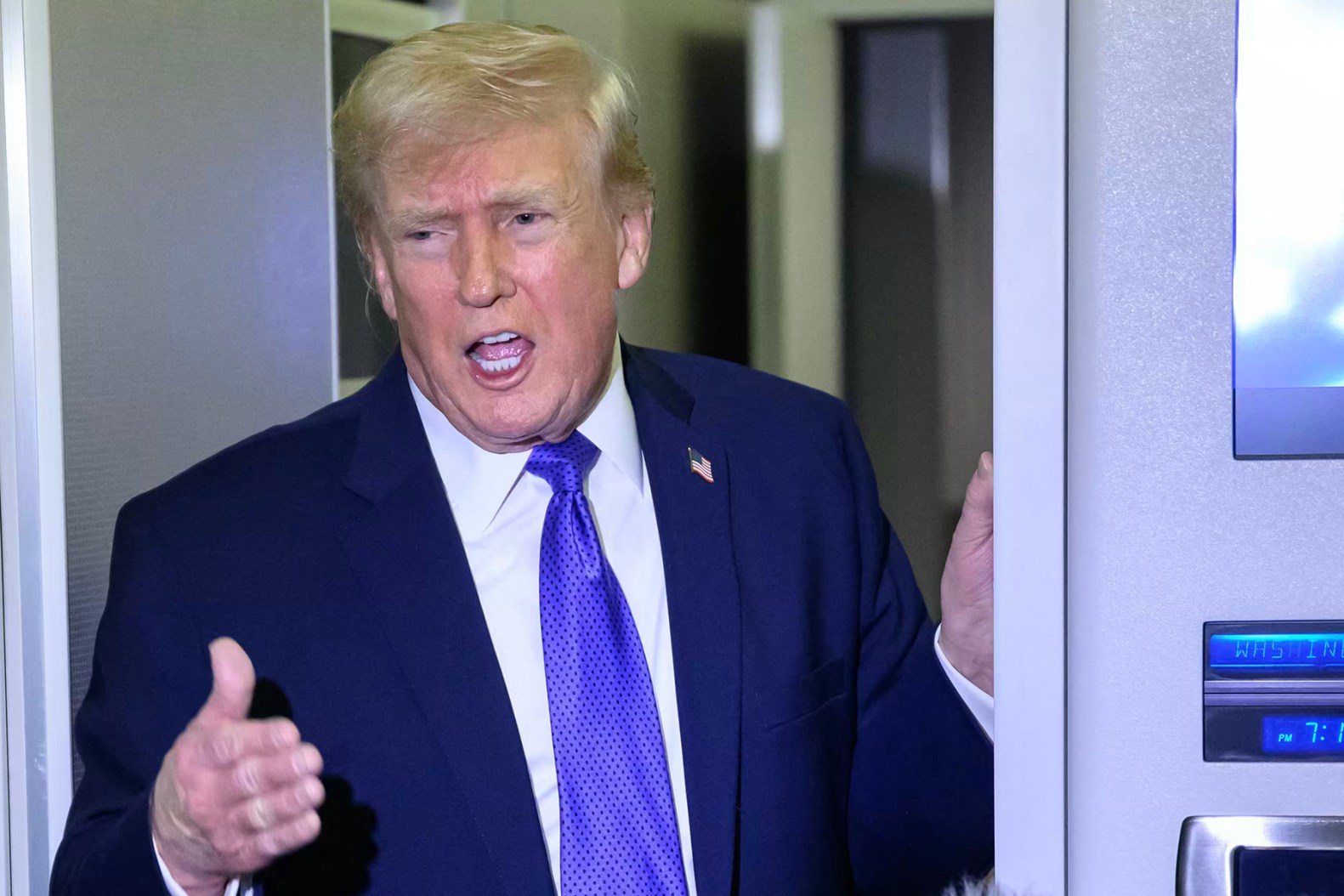
Donald Trump’s exploitation of Rev. Jesse Jackson’s death to take a petty swipe at Barack Obama reveals a disturbing pattern of divisive and racially charged rhetoric. Rather than honoring the legacy of a civil rights icon, Trump chose to deepen political and racial tensions, undermining the progress made by leaders like Jackson and Obama. As the nation reflects on the contributions of Rev. Jesse Jackson, it is crucial to reject attempts to politicize such moments and instead focus on unity and respect.
If you want to stay informed about the latest political developments and civil rights issues, subscribe to our newsletter for timely updates and in-depth analysis.


Leave a Reply