
Andrew ‘Wailed “You Can’t Do This to Me, I’m the Queen’s Son”‘ as He Was Marched Out of Royal Lodge: Royal Should Face TREASON Probe, MP Says
MP Calls for Treason Investigation into Andrew’s Controversial Removal from Royal Lodge

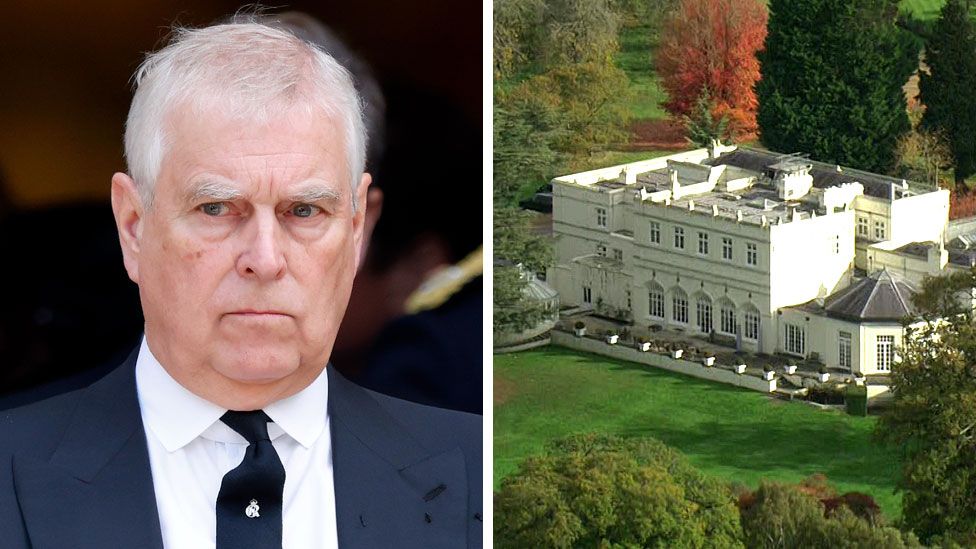
Recent developments involving Andrew Mountbatten-Windsor, the Queen’s second son, have ignited a storm of controversy and political calls for accountability. Reports reveal that Andrew was forcibly removed from Royal Lodge, the 30-room mansion in Windsor where he had resided for decades under a nominal rent agreement. As he was escorted out, Andrew reportedly exclaimed, “You can’t do this to me, I’m the Queen’s son,” highlighting the emotional and dramatic nature of the eviction.
This incident has not only raised eyebrows within royal circles but has also prompted a senior Member of Parliament, Tom Tugendhat, to demand a formal treason investigation. The MP’s concerns stem from allegations that Andrew may have passed confidential information to the disgraced financier Jeffrey Epstein, a claim that, if substantiated, could have grave implications for national security and the integrity of the British monarchy.
The Background: Andrew’s Relationship with Jeffrey Epstein and the Royal Lodge Eviction

Andrew Mountbatten-Windsor’s association with Jeffrey Epstein has long been a source of public scrutiny and media attention. Epstein, who was convicted of sex offenses and died under suspicious circumstances, was known for his connections with high-profile individuals, including members of the British royal family. Andrew’s friendship with Epstein has brought intense criticism, especially amid allegations of misconduct and abuse linked to Epstein’s network.
The Royal Lodge eviction marks a significant turning point. For years, Andrew enjoyed the privilege of living in the Windsor estate’s Royal Lodge at a peppercorn rent, a symbolic payment reflecting his royal status. However, recent events suggest that King Charles and royal aides grew increasingly uneasy about Andrew’s presence and the negative attention surrounding him.
Sources indicate that Andrew was reluctant to leave Royal Lodge and move to Wood Farm on the Sandringham Estate in Norfolk, a much smaller and less prestigious residence. His defiant reaction during the eviction underscores the tension and the royal family’s determination to distance itself from the controversy.
Political Repercussions: The Call for a Treason Probe

The most striking development following Andrew’s removal is the call by Tom Tugendhat, a former Security Minister and current MP, for a treason investigation. Tugendhat has urged the establishment of a special parliamentary committee with the authority to summon witnesses and demand documents related to the allegations against Andrew.
Treason is a serious charge, rarely invoked in the United Kingdom. The last known conviction for treason was in 2021 when Jaswant Singh Chail attempted to assassinate the late Queen Elizabeth II by breaking into Windsor Castle armed with a crossbow. The MP’s suggestion that Andrew’s actions could warrant similar scrutiny reflects the severity of the accusations.
If Andrew is found to have passed confidential or sensitive information to Epstein, it could represent a breach of national security and a betrayal of the trust vested in him as a member of the royal family. This scenario would not only damage Andrew’s reputation but could also have broader implications for the monarchy’s standing and the government’s handling of security matters.
Public and Media Reaction to the Royal Lodge Incident

The public’s response to Andrew’s eviction and the surrounding allegations has been mixed but largely critical. Images of Andrew cheerfully greeting members of the public while riding his horse shortly before his eviction were seen by royal courtiers as the “final straw,” suggesting a disconnect between his public demeanor and the private concerns of the royal household.
Media outlets have extensively covered the story, emphasizing the dramatic nature of the eviction and the serious accusations of misconduct. The narrative paints a picture of a royal family grappling with internal challenges and the need to protect its reputation amid scandal.
The controversy has also sparked debates about privilege, accountability, and the role of the monarchy in modern Britain. Many question whether royal family members should be subject to the same legal and ethical standards as ordinary citizens, especially when allegations involve potential breaches of national security.
What Happens Next: Potential Outcomes and Implications

The demand for a treason probe signals that the situation is far from resolved. If a special committee is formed and investigations proceed, Andrew could face formal hearings and legal scrutiny unprecedented for a senior royal.
Such proceedings would be closely watched by the public, media, and international observers, potentially reshaping perceptions of the British monarchy. A treason conviction would be historic and could lead to significant changes in how royal family members are monitored and held accountable.
Moreover, the case highlights the importance of transparency and the rule of law, even when dealing with individuals of high status. It underscores the need for institutions to act decisively in protecting national interests and upholding justice.
Conclusion

Andrew Mountbatten-Windsor’s dramatic eviction from Royal Lodge and the ensuing calls for a treason investigation have thrust the British monarchy into an unprecedented crisis. With serious allegations of passing confidential information to Jeffrey Epstein, the situation demands thorough investigation and accountability. As the nation watches closely, it is crucial to stay informed about these developments and understand their potential impact on the royal family and national security.
Stay updated with the latest news and expert analysis on this unfolding story by subscribing to our newsletter and following our coverage. Your awareness and engagement are vital in holding power to account.






Leave a Reply