
Ed Balls Clashes with Huw Edwards’s Publicist Over Paedophilia Allegations on Good Morning Britain
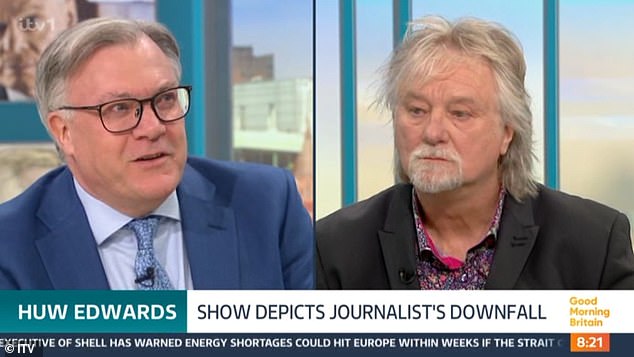
On a recent episode of Good Morning Britain, former politician Ed Balls engaged in a tense confrontation with Barry Tomes, the publicist representing disgraced TV presenter Huw Edwards. The heated exchange centered around accusations that Tomes was promoting a paedophile and attempting to justify Edwards’s criminal actions by citing mental health issues. This toe-curling clash has sparked widespread debate about accountability, media responsibility, and the complexities surrounding high-profile criminal cases.
Ed Balls Accuses Publicist of Promoting a Paedophile and Excusing Crimes Through Mental Health

The controversy unfolded during a segment discussing the Channel 5 documentary, *Power: The Downfall of Huw Edwards*, which aired the previous evening. Edwards, a respected BBC News At Ten presenter for decades, admitted guilt in July 2024 to charges related to making indecent images of children. The shocking revelation sent ripples through the media and public alike, given Edwards’s long-standing reputation.
Barry Tomes, who voluntarily took on the role of Edwards’s publicist, appeared on Good Morning Britain alongside Ed Balls and host Susanna Reid. Tomes explained that Edwards had confided in him six months prior, expressing a desire to share his side of the story. Tomes emphasized his mission to uncover the “black box”—the underlying reasons behind Edwards’s criminal behavior—and suggested that similar cases involving famous men would continue unless society understood the root causes.
Ed Balls, however, was quick to challenge Tomes’s approach. He accused the publicist of effectively promoting a paedophile by providing a platform that could be perceived as sympathetic or excusing. Balls argued that citing mental health as a mitigating factor for such serious crimes was inappropriate and risked undermining the severity of Edwards’s offenses. The clash highlighted the difficult balance between understanding mental health issues and ensuring justice and accountability for victims.
The Role of Media and Publicists in Handling High-Profile Criminal Cases
This confrontation raises important questions about the role of media professionals and publicists when managing the narratives of individuals accused or convicted of serious crimes. Publicists like Barry Tomes often aim to humanize their clients, offering context or explanations that may soften public perception. However, this can sometimes conflict with the need for clear condemnation and support for victims.
In Edwards’s case, Tomes’s willingness to speak openly about mental health and the potential for similar cases in the future suggests a broader conversation about prevention and rehabilitation. Yet, Ed Balls’s criticism underscores the risk of appearing to excuse or minimize criminal behavior, especially in sensitive cases involving child exploitation.
The media’s responsibility extends beyond reporting facts; it involves ethical considerations about how stories are framed and the potential impact on public opinion. Good Morning Britain’s decision to host this debate reflects the complexity of these issues and the need for transparent dialogue.
Public Reaction and the Impact on Huw Edwards’s Legacy

The fallout from the Good Morning Britain clash has been significant. Many viewers expressed discomfort with the publicist’s stance, agreeing with Ed Balls that mental health should not be used as a shield for criminal actions. Social media platforms saw heated discussions about the boundaries of empathy and accountability.
For Huw Edwards, the scandal has irreparably damaged his legacy. Once a trusted figure in British journalism, his admission of guilt and the surrounding media coverage have overshadowed decades of professional achievements. The documentary and subsequent interviews have brought his crimes into the public eye, prompting calls for stricter safeguards within the media industry and beyond.
This case also highlights the challenges faced by families, colleagues, and victims when a public figure is implicated in such offenses. The balance between privacy, justice, and public interest remains delicate and often contentious.
Conclusion

The intense Good Morning Britain clash between Ed Balls and Huw Edwards’s publicist Barry Tomes sheds light on the difficult conversations surrounding high-profile criminal cases, mental health, and media responsibility. While understanding the complexities behind criminal behavior is important, it is equally crucial to uphold accountability and prioritize victims’ rights. As this story continues to unfold, it serves as a reminder of the power of media narratives and the ethical duties of those who shape them.
If you found this analysis insightful, stay updated with our latest articles by subscribing to our newsletter and join the conversation about media ethics and public accountability today.


Leave a Reply