Huw Edwards Likes Social Media Post About ‘Stressful’ Situation Scott Mills Is Facing After ‘Sex Offence Allegations Emerge’
The media world has been shaken by recent developments involving two prominent BBC personalities, Huw Edwards and Scott Mills. Edwards, a former BBC newsreader, recently liked a social media post that expressed sympathy for Scott Mills amid a highly stressful situation following emerging sex offence allegations. This gesture has sparked widespread discussion about the ongoing controversies and the BBC’s approach to managing such sensitive issues.
Huw Edwards Shows Support Amid Scott Mills’ Stressful Situation
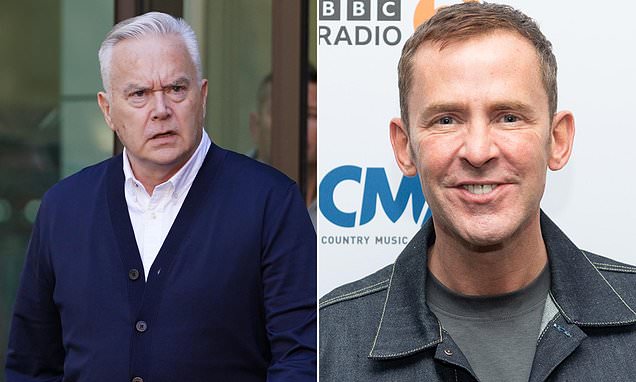
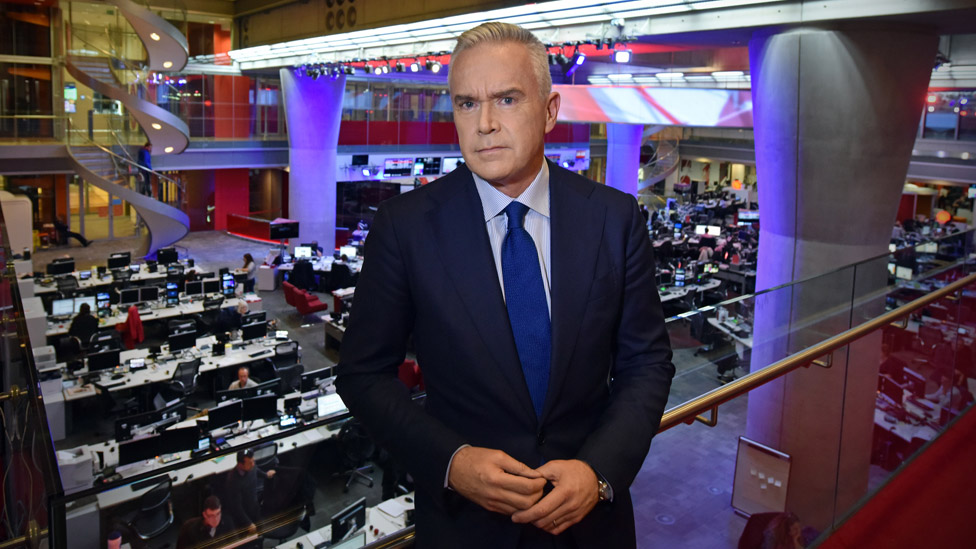
Huw Edwards, who resigned from the BBC in 2024 after being convicted of possessing indecent images of children, briefly liked a LinkedIn post that sympathized with Scott Mills. The post, authored by celebrity crisis management expert Lauren Beeching, highlighted the complex and stressful circumstances Mills is currently enduring. According to Beeching, the BBC’s public announcement that Mills was no longer contracted due to “personal conduct” allegations inadvertently fueled public speculation and created a secondary reputational challenge for the broadcaster.
The BBC’s decision to keep details vague while acknowledging Mills’ departure reflects the delicate balance organizations must strike when handling allegations involving high-profile figures. As a publicly funded entity, the BBC faces intense scrutiny and must navigate legal advice, confidentiality, and duty of care simultaneously. Beeching’s post emphasized that while the BBC’s approach is understandable from a corporate and legal standpoint, it can unintentionally lead to further reputational damage.
The Background of the Allegations and BBC’s Response
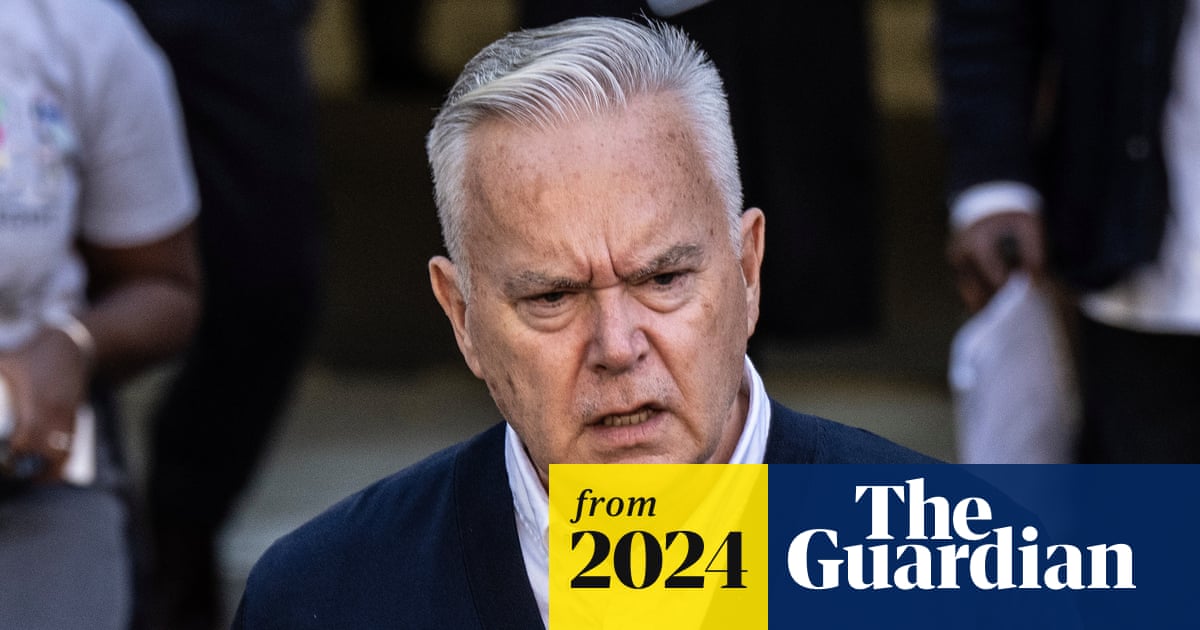
The controversy surrounding Scott Mills intensified after reports surfaced linking his dismissal to a 2016 police investigation into serious sexual offences allegedly committed in the 1990s against a teenage boy under 16. The Daily Mirror was among the first to report these claims, which have since dominated media coverage.
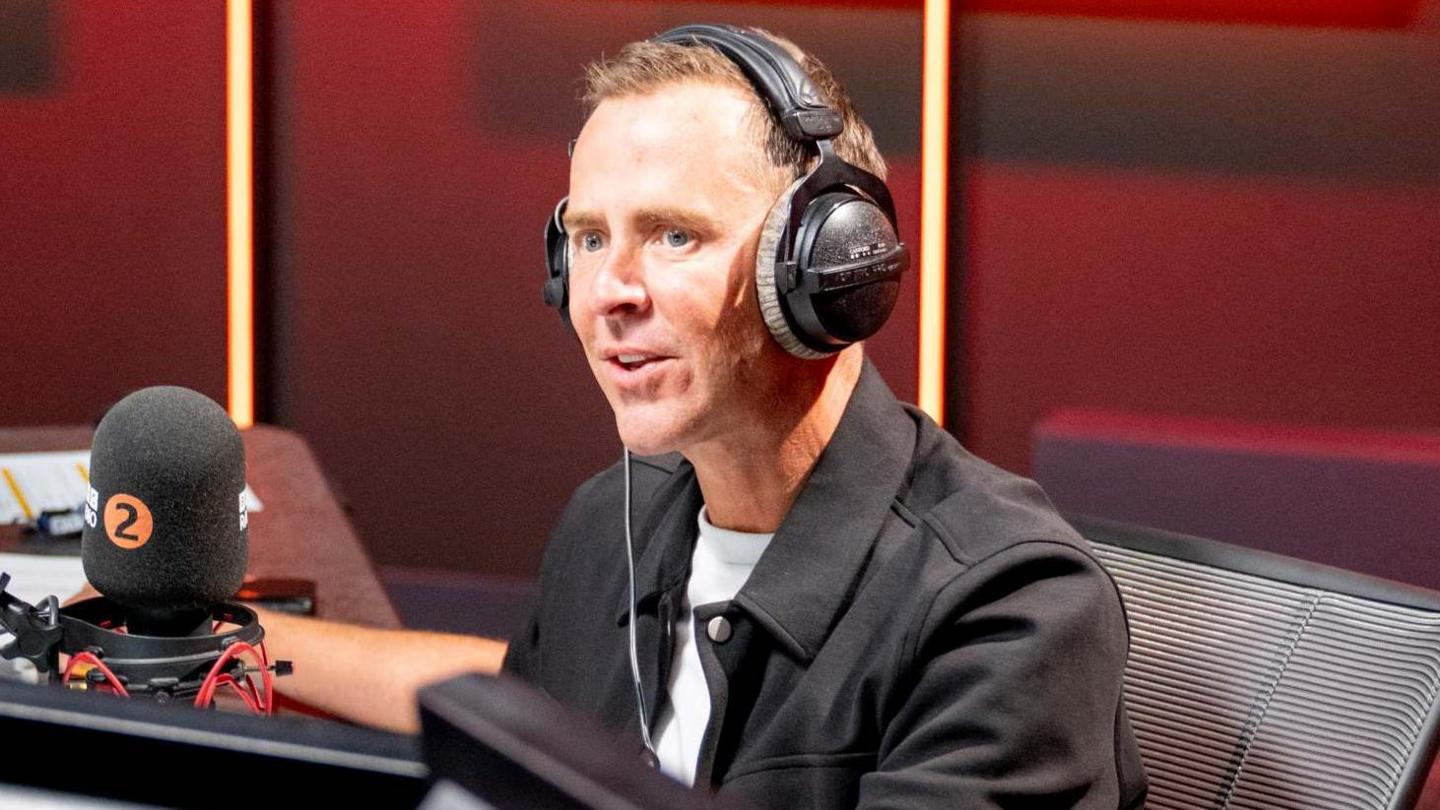
Mills, a well-known BBC DJ, was removed from his contract following the corporation’s announcement citing “personal conduct” issues. However, the BBC refrained from providing further details, citing ongoing legal and internal processes. This lack of transparency has led to widespread speculation and debate about the broadcaster’s handling of such cases.
Huw Edwards’ brief endorsement of a post sympathetic to Mills adds another layer of complexity to the situation. Edwards himself resigned amid his own scandal involving inappropriate conduct and was convicted in 2024. His action of liking, then removing, the post on LinkedIn suggests a nuanced stance on the matter, possibly reflecting empathy for Mills’ predicament given his own experiences.
Implications for the BBC and Media Industry
The unfolding events involving Huw Edwards and Scott Mills have significant implications for the BBC and the broader media industry. They highlight the challenges organizations face when addressing allegations of misconduct by high-profile employees. The need to protect legal rights, maintain confidentiality, and uphold public trust often conflicts with the demand for transparency and accountability.
The BBC’s cautious approach in handling Mills’ case underscores the delicate nature of managing reputational risk. Publicly funded institutions like the BBC must carefully balance internal investigations with external communications to avoid prejudicing legal proceedings or violating privacy rights.
Moreover, the situation raises questions about how media organizations support employees facing serious allegations and the role of crisis management experts in shaping public narratives. Lauren Beeching’s commentary sheds light on the unintended consequences of risk management strategies that may exacerbate reputational harm despite good intentions.
Public Reaction and Future Outlook
Public reaction to the developments has been mixed. Some sympathize with Scott Mills, acknowledging the stress and uncertainty such allegations bring. Others express frustration over perceived lack of transparency from the BBC and demand clearer communication regarding the circumstances of Mills’ departure.
Huw Edwards’ involvement, albeit indirect, has reignited discussions about accountability and redemption within the media industry. His past conviction and subsequent resignation serve as a reminder of the serious consequences of misconduct and the complex process of rebuilding trust.
Looking ahead, the BBC faces ongoing scrutiny as investigations continue and public interest remains high. How the broadcaster navigates this crisis will likely influence its reputation and policies on handling similar cases in the future.
Conclusion
The recent developments involving Huw Edwards’ social media activity and Scott Mills’ stressful situation amid sex offence allegations highlight the intricate challenges faced by the BBC and media professionals. Balancing legal, ethical, and reputational considerations is no easy task, especially when dealing with sensitive personal conduct issues. As this story continues to evolve, it is crucial for organizations and individuals alike to prioritize transparency, empathy, and accountability.
If you want to stay informed about the latest updates on this and other media industry news, be sure to follow our coverage and subscribe to our newsletter for expert insights and in-depth analysis.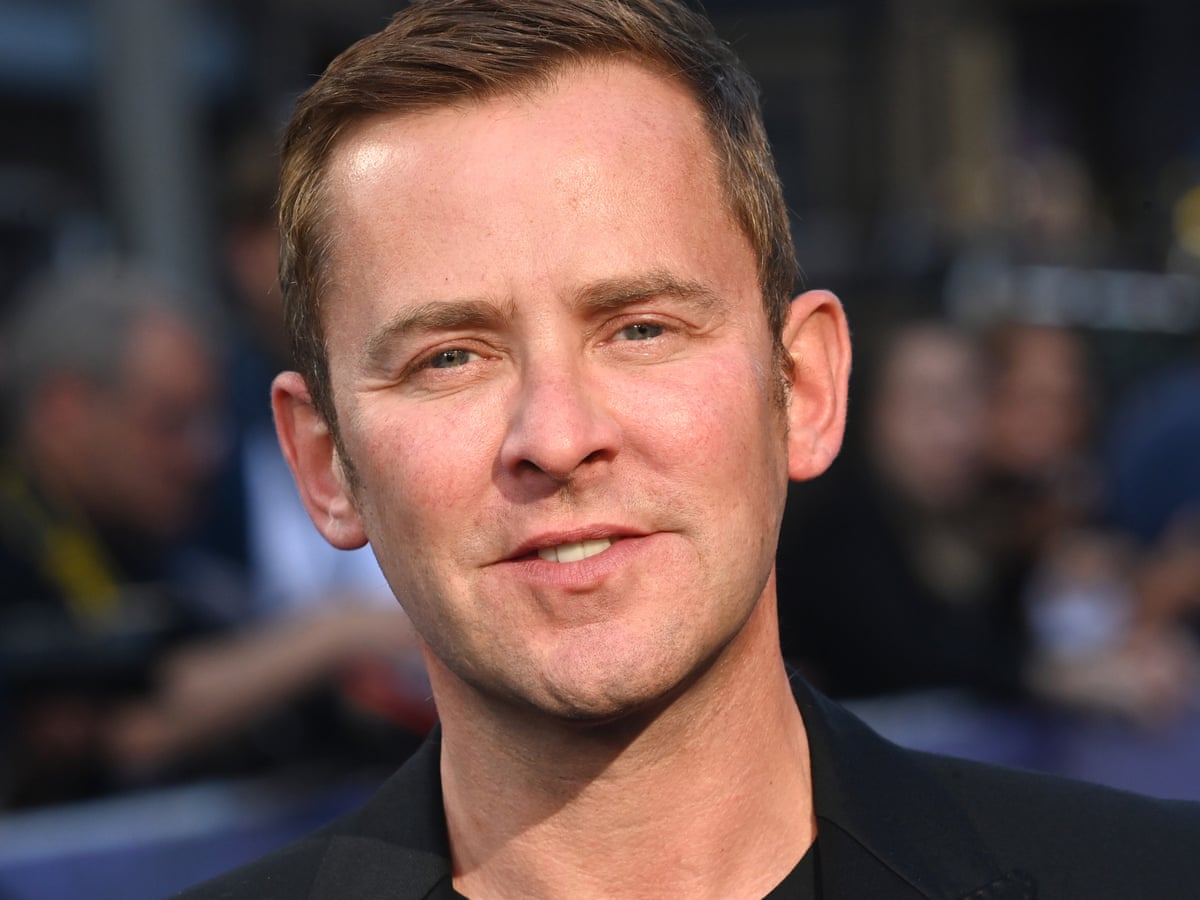
Leave a Reply