
Vanessa Hudgens Reveals She Is Suffering from a Postpartum Condition After Welcoming Her Second Baby
Vanessa Hudgens Shares Her Experience with Postpartum Hair Loss
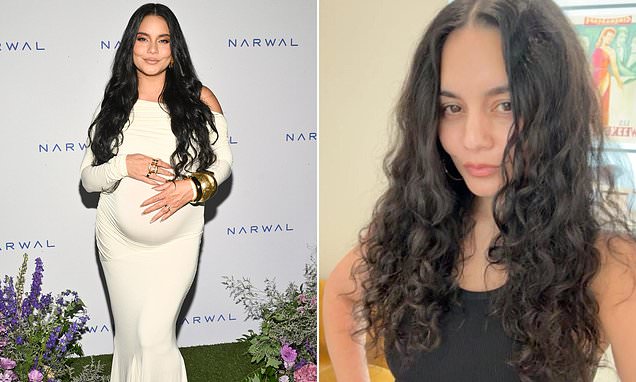
Vanessa Hudgens, the beloved actress and star of the iconic High School Musical series, recently revealed that she is dealing with a postpartum condition following the arrival of her second baby. On social media, Vanessa candidly shared her struggle with Telogen Effluvium, a form of hair loss that commonly affects women after childbirth. This condition, while alarming to many new mothers, is typically temporary and linked to hormonal shifts that occur postpartum.
The 37-year-old actress took to her Instagram Stories to give fans a glimpse into her personal experience. She posted a photo showing a handful of hair strands she had lost after brushing, captioning it, “As so it begins,” signaling the start of her hair shedding phase. Vanessa’s openness has helped raise awareness about postpartum hair loss, a subject that is often overlooked despite affecting a significant number of women.
Understanding Telogen Effluvium: The Postpartum Hair Loss Condition

Telogen Effluvium is a temporary hair loss condition that many women face after giving birth. According to medical experts, including those at the Cleveland Clinic, this condition occurs due to a sudden drop in estrogen levels following delivery. During pregnancy, elevated estrogen levels prolong the growth phase of hair, resulting in thicker, fuller hair. However, after childbirth, estrogen levels plummet, causing a large number of hair follicles to enter the resting phase simultaneously. This leads to noticeable hair shedding several weeks or months postpartum.
While Telogen Effluvium can be distressing, it is important to understand that it is a natural response of the body to hormonal changes and is usually temporary. Most women see their hair return to normal within six to twelve months as hormone levels stabilize and hair follicles resume their regular growth cycle.
Vanessa Hudgens’ public acknowledgment of her postpartum hair loss has helped normalize conversations around this condition. Many new mothers experience similar symptoms but may feel isolated or worried about their appearance. By sharing her story, Vanessa provides reassurance that postpartum hair loss is common and manageable.
Vanessa’s Positive Outlook Amid Hair Loss
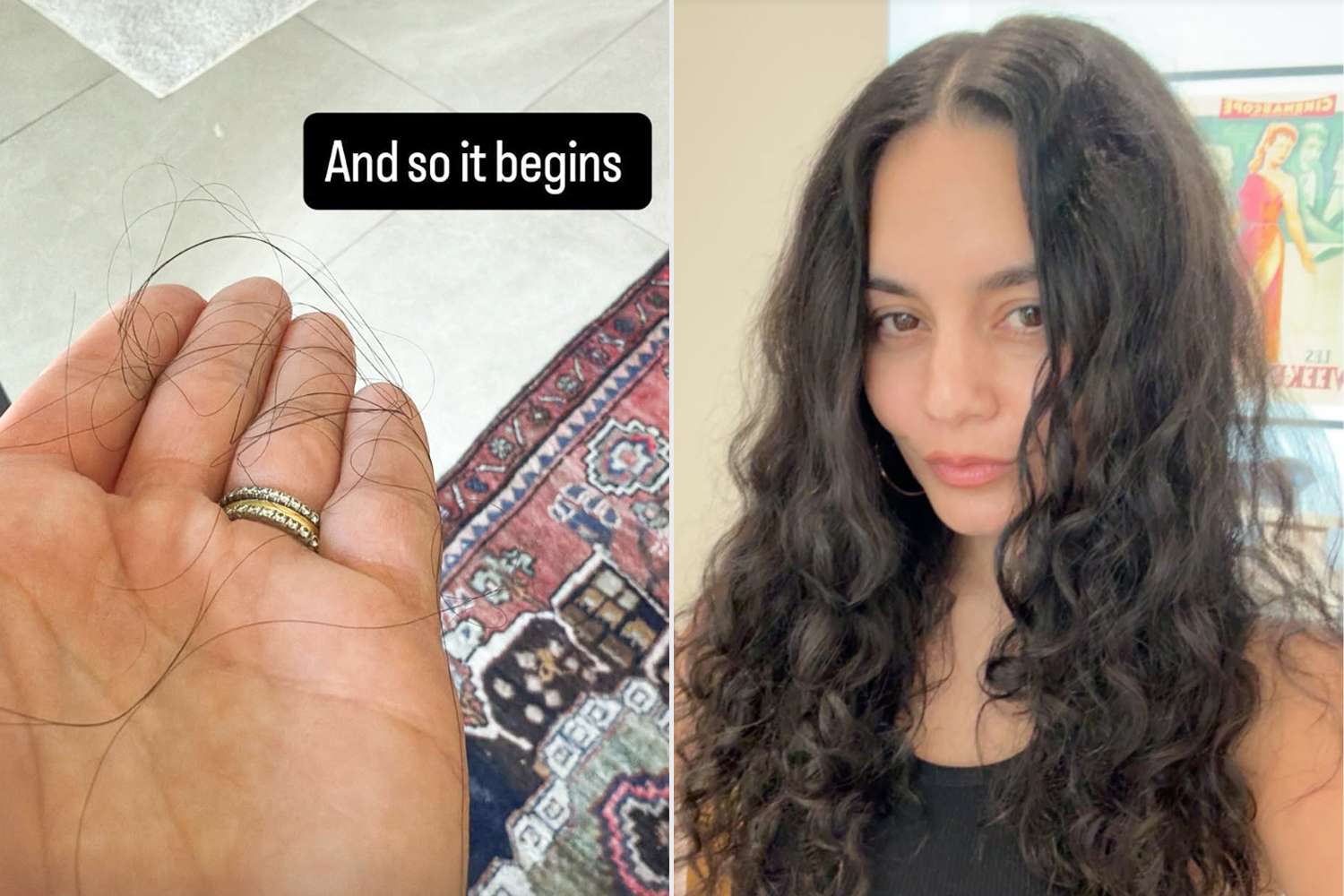
Despite the challenges of postpartum hair loss, Vanessa Hudgens maintains a positive attitude. In her Instagram posts, she showcased her natural beauty and confidence, even while experiencing hair shedding. One image featured her with soft curls, light peach lipstick, and a casual black tank top paired with beige slacks, smiling confidently despite the hair loss.
Her candidness and humor, such as joking about having a “great hair day even with my hair loss,” resonate with many women who face similar postpartum struggles. Vanessa’s approach encourages self-love and patience during the recovery period, emphasizing that hair loss is just a temporary phase.
How to Manage Postpartum Hair Loss Like Vanessa Hudgens
If you’re experiencing postpartum hair loss similar to Vanessa Hudgens, there are several strategies you can adopt to manage this condition effectively:
1. **Maintain a Healthy Diet:** Eating a balanced diet rich in vitamins and minerals, especially iron, zinc, and biotin, supports hair health and growth.
2. **Gentle Hair Care:** Avoid harsh treatments, excessive heat styling, and tight hairstyles that can further stress hair follicles.
3. **Use Mild Hair Products:** Opt for shampoos and conditioners formulated for sensitive scalps and hair loss prevention.
4. **Consult a Healthcare Professional:** If hair loss is severe or prolonged, seek advice from a dermatologist or healthcare provider to rule out other underlying conditions.
5. **Practice Patience:** Remember that postpartum hair loss is usually temporary, and hair typically regrows within a year.
Vanessa Hudgens’ experience highlights the importance of self-care and seeking support during postpartum recovery. Sharing stories like hers helps reduce stigma and encourages women to prioritize their well-being.
Conclusion
Vanessa Hudgens’ openness about suffering from Telogen Effluvium after welcoming her second baby shines a light on a common postpartum condition that many women face. Her story serves as a reminder that postpartum hair loss is a natural, temporary phase linked to hormonal changes after childbirth. By embracing her journey with positivity and humor, Vanessa encourages new mothers to be patient and kind to themselves during this time. If you or someone you know is experiencing postpartum hair loss, remember that support and effective management strategies are available. For more insights and tips on postpartum health, stay connected and share your experiences—your story could inspire others!
Leave a Reply