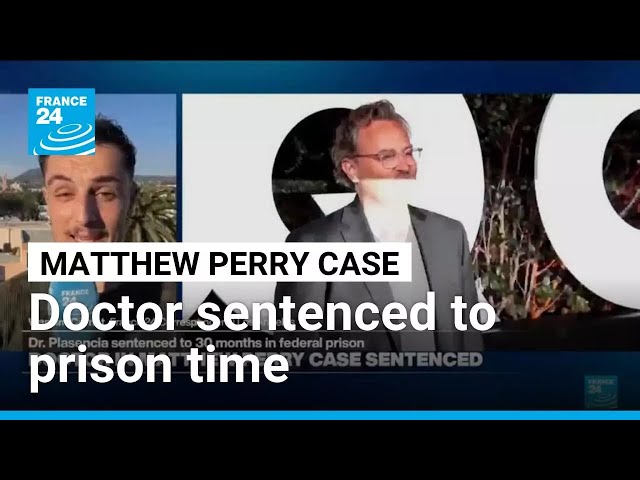
‘Ketamine Queen’ Sentenced to 15 Years in Matthew Perry’s Overdose Death
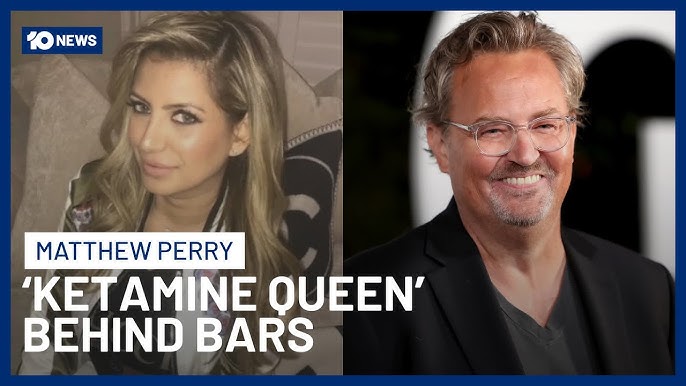
In a landmark case that has captured public attention, Jasveen Sangha, infamously known as the “Ketamine Queen,” has been sentenced to 15 years in federal prison for her involvement in the overdose death of beloved actor Matthew Perry. The sentencing marks a significant moment in the ongoing battle against illegal drug distribution and its devastating consequences. This article delves into the details of the case, Sangha’s criminal enterprise, and the broader implications for drug-related offenses.
The ‘Ketamine Queen’ and Her Role in Matthew Perry’s Death

Jasveen Sangha, a 42-year-old woman from Los Angeles, was at the center of a drug distribution network that supplied ketamine and other illicit substances to high-profile clients, including Matthew Perry. Perry, best known for his role as Chandler Bing on the iconic TV show *Friends*, tragically died in October 2023 from an overdose caused by acute ketamine toxicity.
Investigators revealed that Sangha operated what prosecutors described as a “drug-selling emporium” out of her North Hollywood residence. During a raid, authorities seized dozens of ketamine vials along with thousands of pills containing methamphetamine, cocaine, and Xanax. Sangha’s operation catered to wealthy and well-connected individuals, exploiting their vulnerabilities for profit.
Sangha pleaded guilty to multiple charges, including distributing ketamine resulting in death or bodily injury. Her sentencing followed emotional court proceedings where relatives of Matthew Perry spoke about the irreversible damage caused by her actions.
Details of the Criminal Charges and Plea Agreement
Initially denying all charges, Sangha eventually changed her plea to guilty in August 2024, just weeks before her trial was set to begin. Her plea agreement included admitting to selling ketamine to another individual, Cody McLaury, who also died from a drug overdose shortly after the purchase in 2019.
Federal prosecutors highlighted that Sangha had been supplying ketamine since at least 2019, operating a stash house in North Hollywood. The severity of her crimes was underscored by the fact that she faced a maximum sentence of 65 years in prison but was ultimately sentenced to 15 years.
Despite her guilty plea, the judge noted Sangha’s lack of remorse over the years following her arrest. However, during the sentencing hearing, Sangha expressed deep shame and sorrow for the harm she caused, acknowledging that her poor decisions shattered many lives.
Impact on Matthew Perry’s Family and Public Reaction
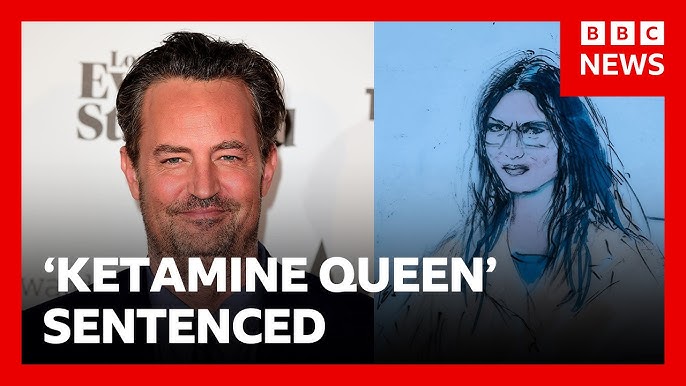
The sentencing hearing was marked by heartfelt statements from Perry’s family, particularly his stepmother, Debbie Perry. In a victim impact statement, she urged the court to impose the maximum sentence on Sangha, describing the damage caused as “irreversible.” Debbie Perry emphasized the betrayal felt by the family, highlighting how Sangha’s business acumen was misused to profit from addiction and suffering.
Public reaction to the case has been one of sympathy for Matthew Perry and condemnation of those who exploited his struggles with addiction. Perry had battled substance abuse for years and was reportedly using ketamine under medical supervision as part of therapy for depression. The case exposed a disturbing network of individuals, including medical professionals and personal aides, who facilitated his access to illegal drugs.
Other Key Figures Involved in the Ketamine Distribution Network
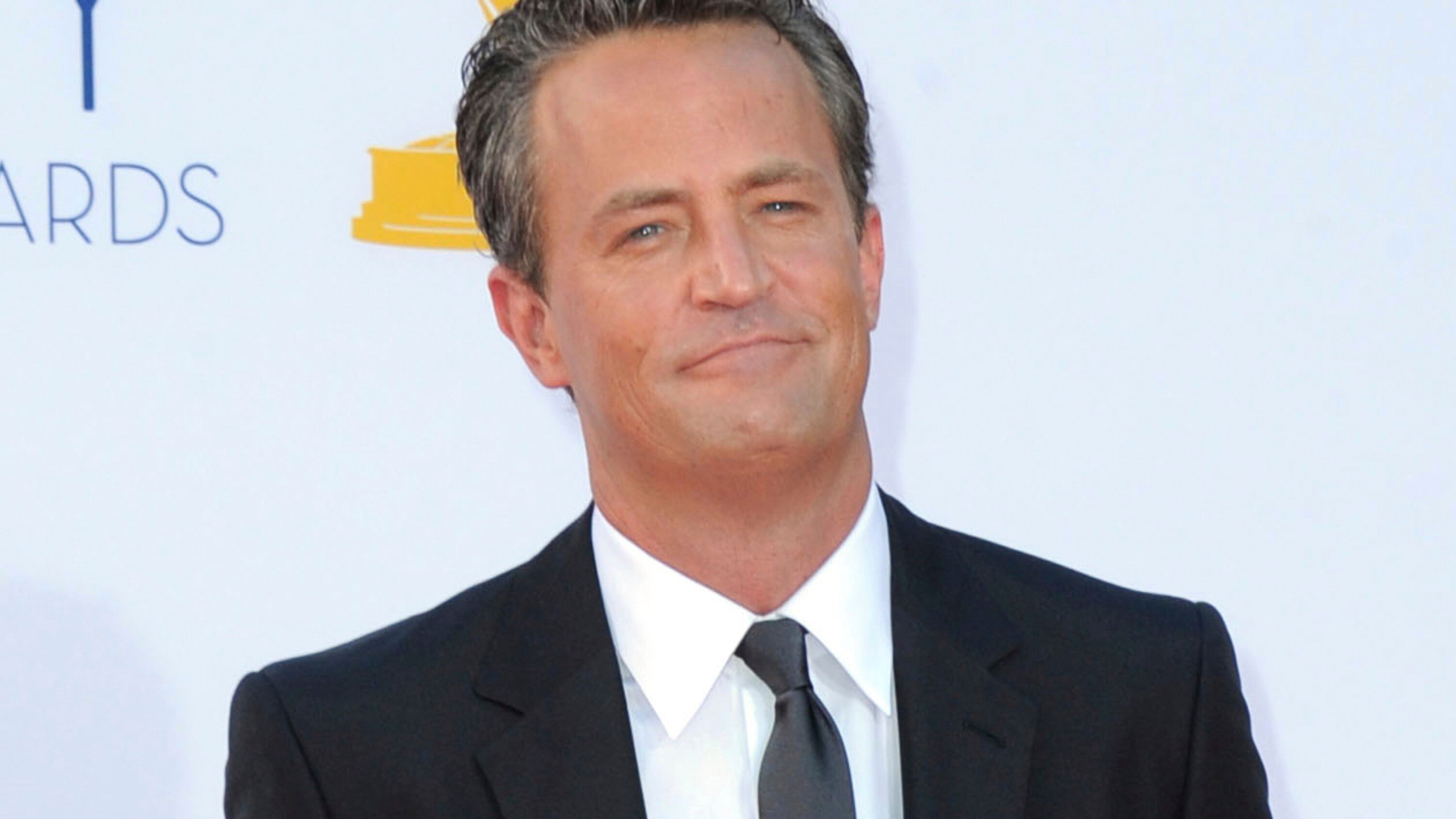
Jasveen Sangha is not the only individual held accountable in connection with Matthew Perry’s overdose death. Authorities have identified five people involved in supplying ketamine to the actor, including medical doctors and his personal assistant.
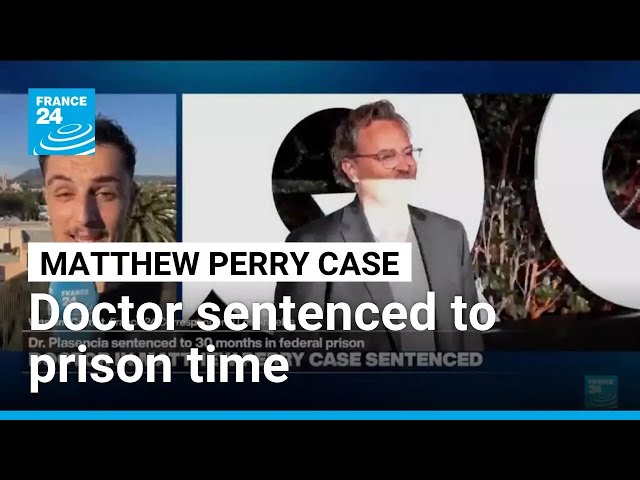
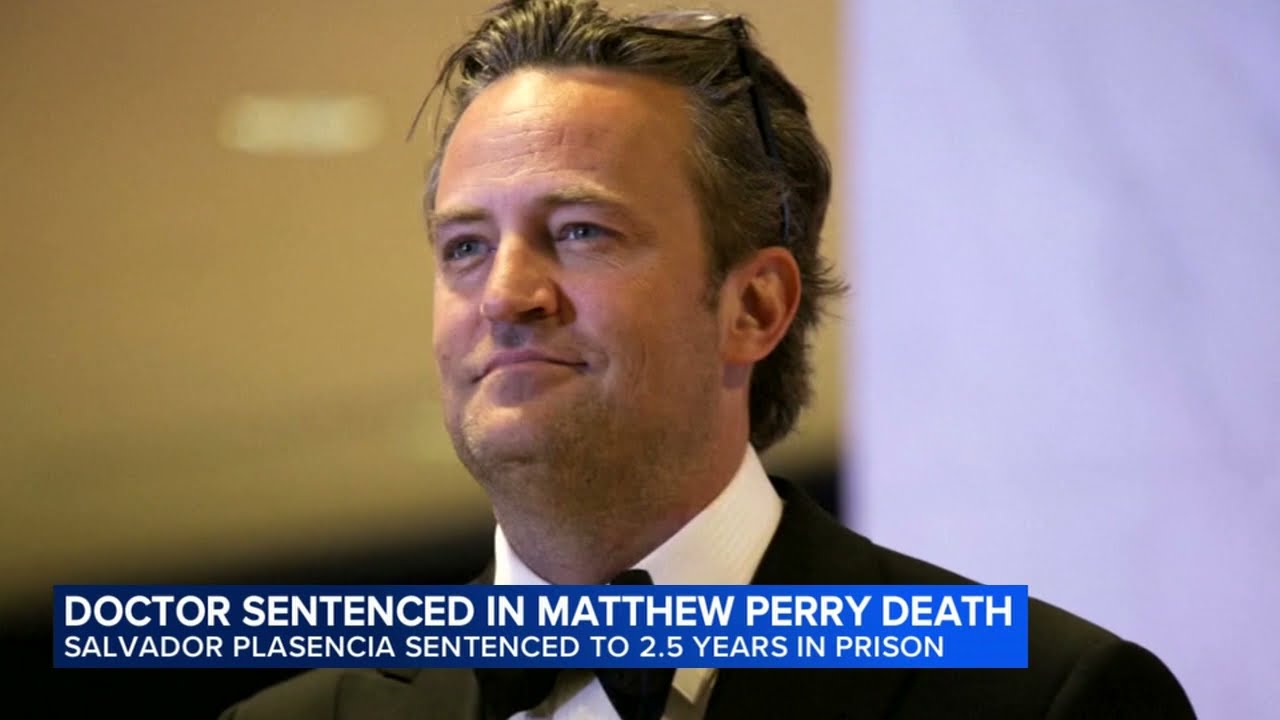
Two doctors, Dr. Salvador Plasencia and Dr. Mark Chavez, received sentences for their roles in illegally providing ketamine. Dr. Plasencia was sentenced to 30 months in prison, while Dr. Chavez received eight months of home detention and three years of supervised release. Both admitted to fraudulent practices in obtaining and distributing ketamine.
Additionally, Perry’s live-in assistant, Kenneth Iwamasa, who helped purchase and administer ketamine to the actor, is awaiting sentencing. Another individual, Eric Fleming, who sold ketamine obtained from Sangha to Perry, is also scheduled for sentencing.
This network of suppliers highlights the complexity and reach of illegal drug distribution, especially when it involves vulnerable individuals battling addiction.
The Dangers of Ketamine Abuse and Illegal Distribution

Ketamine is a dissociative anesthetic with hallucinogenic properties, typically administered under strict medical supervision. While it has legitimate uses in anesthesia and treatment-resistant depression, misuse of ketamine can lead to severe health risks, including overdose and death.
The case of Matthew Perry underscores the dangers of illicit ketamine distribution. When controlled substances are diverted from medical use to the black market, they pose a significant threat to public health and safety. Illegal suppliers often prioritize profit over the well-being of their clients, exacerbating addiction and increasing the risk of fatal outcomes.
Conclusion

The sentencing of Jasveen Sangha, the “Ketamine Queen,” to 15 years in prison serves as a stark reminder of the devastating consequences of illegal drug distribution. Her role in the overdose death of Matthew Perry has brought attention to the dark realities of drug abuse and the exploitation of vulnerable individuals. As the justice system continues to hold accountable those responsible, it is crucial for communities to remain vigilant against the dangers of illicit substances.
If you or someone you know is struggling with substance abuse, seek professional help immediately. Early intervention can save lives and prevent tragedies like the one that claimed Matthew Perry. Stay informed, stay safe, and support efforts to combat illegal drug distribution in your community.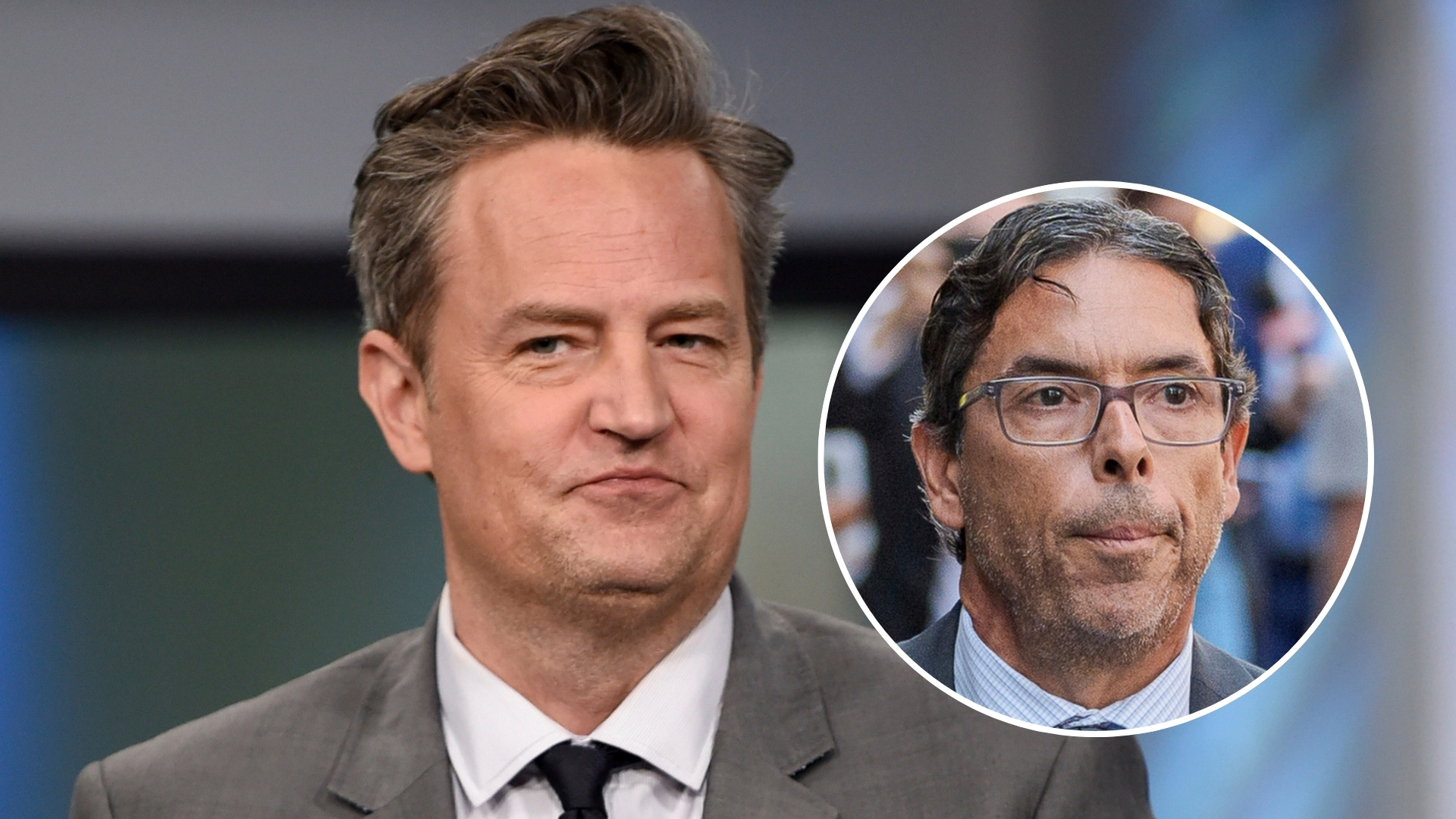




Leave a Reply