EXCLUSIVE: How Jeffrey Epstein Stashed Secret Cameras in Kleenex Boxes to ‘Make Russians His Puppets’
Jeffrey Epstein’s Secret Surveillance: Hidden Cameras in Kleenex Boxes
Jeffrey Epstein’s sinister tactics extended far beyond his widely reported criminal activities. Newly revealed documents expose how Epstein orchestrated a covert surveillance operation by embedding secret cameras inside ordinary household objects, including Kleenex boxes. This shocking discovery raises critical questions about how Epstein gathered compromising material to manipulate and control powerful figures, particularly with an eye on Russian operatives.
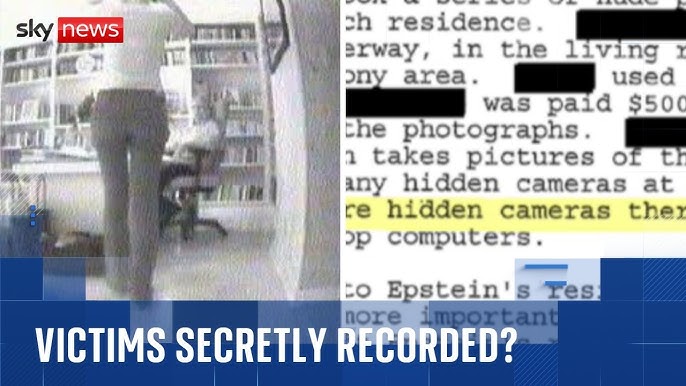
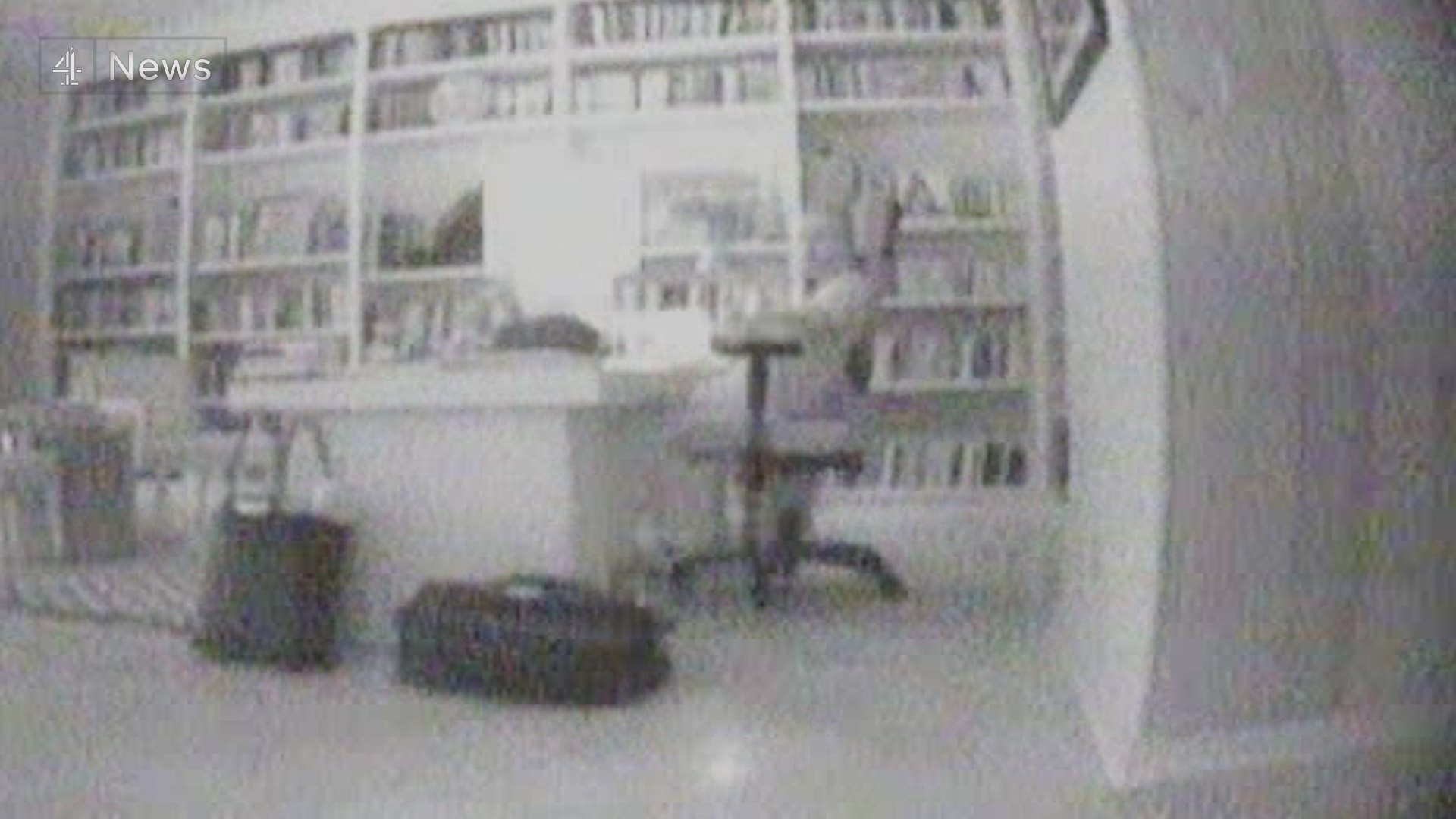
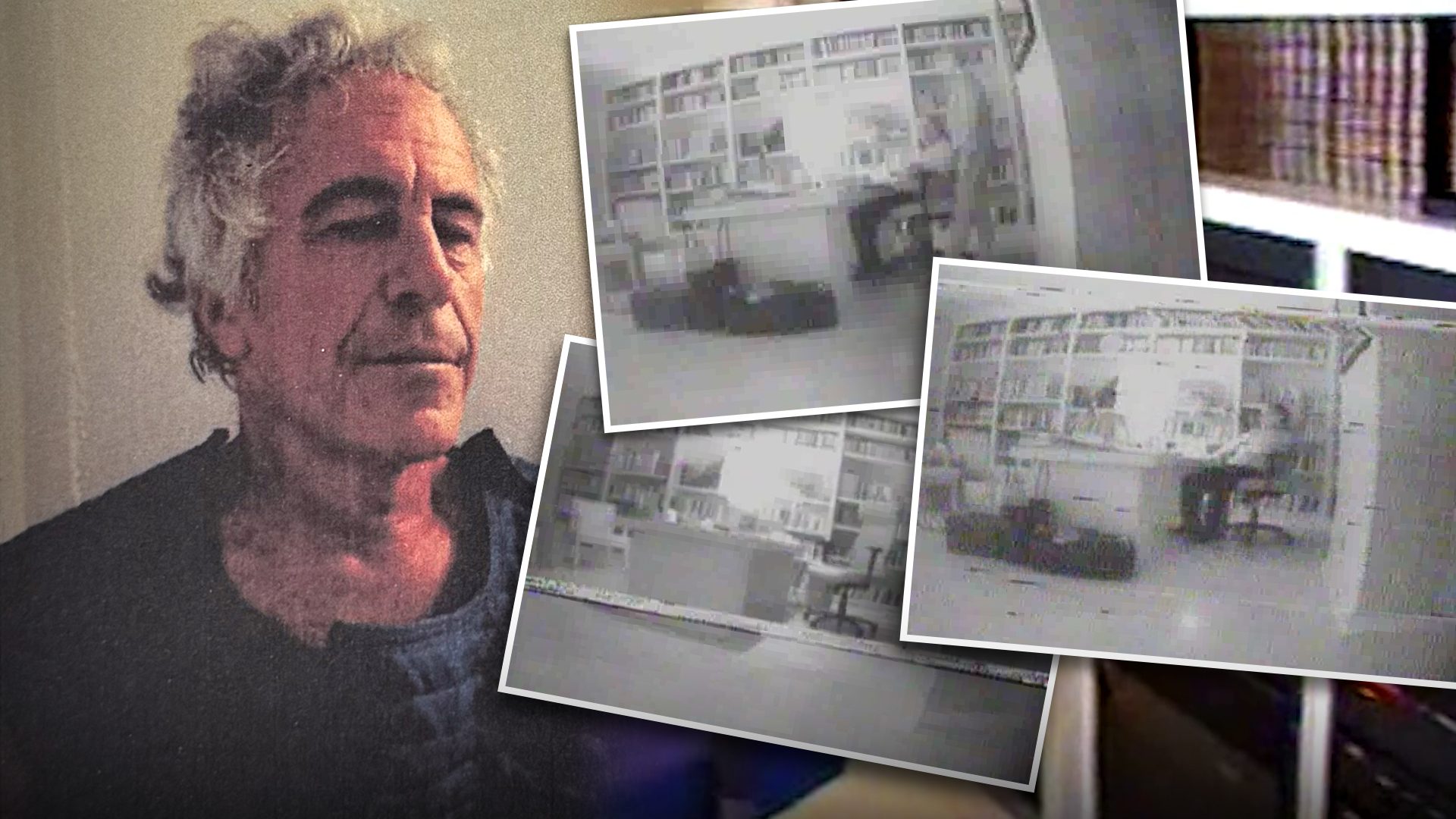
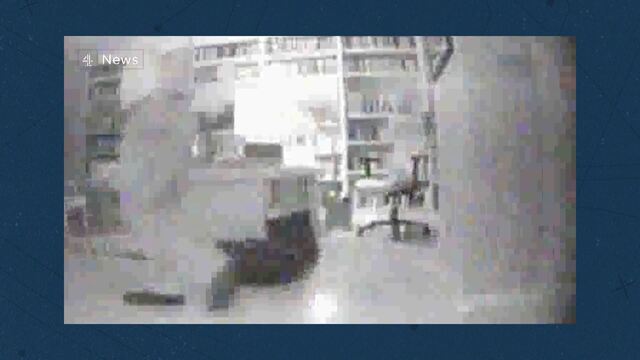
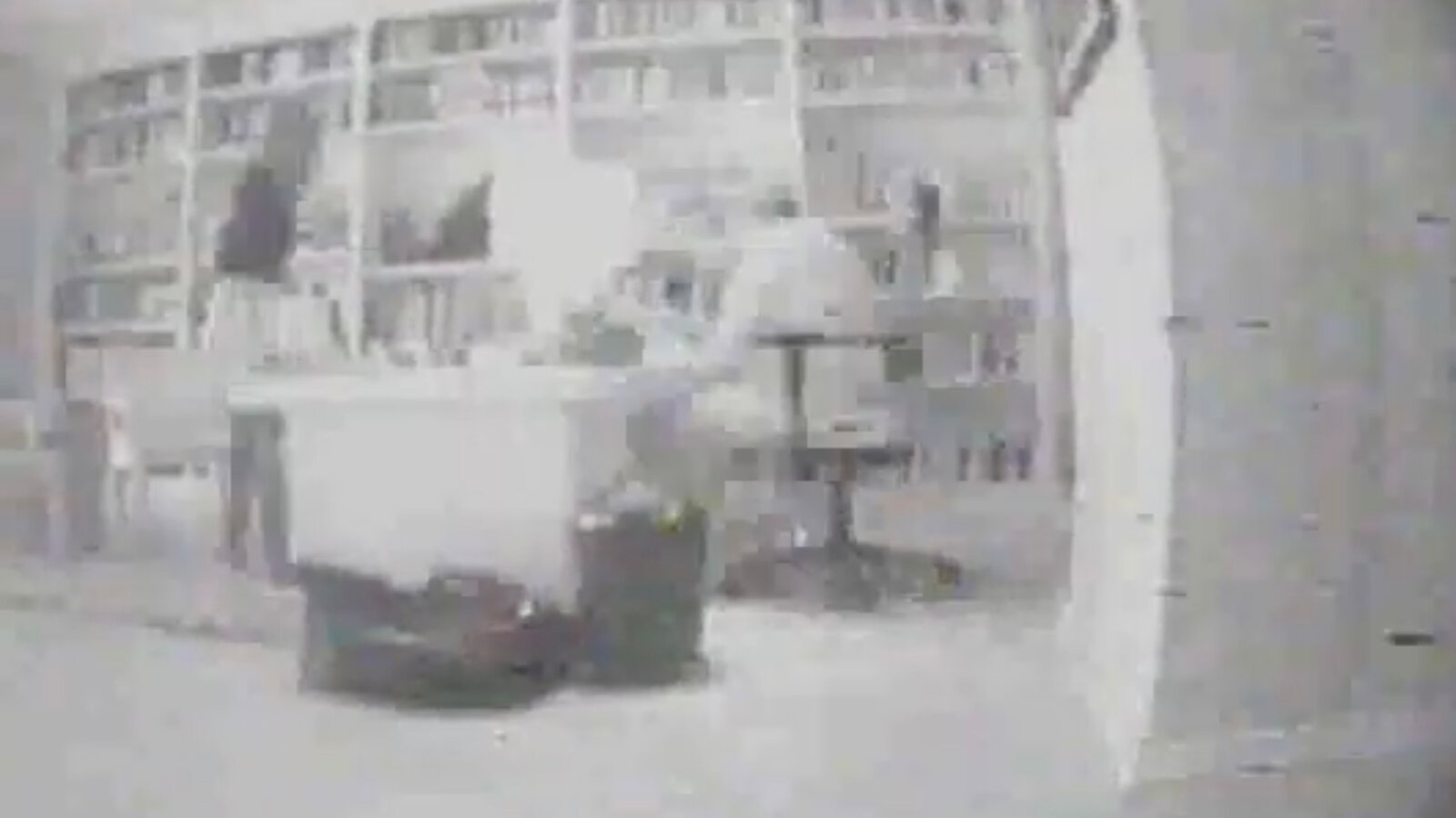
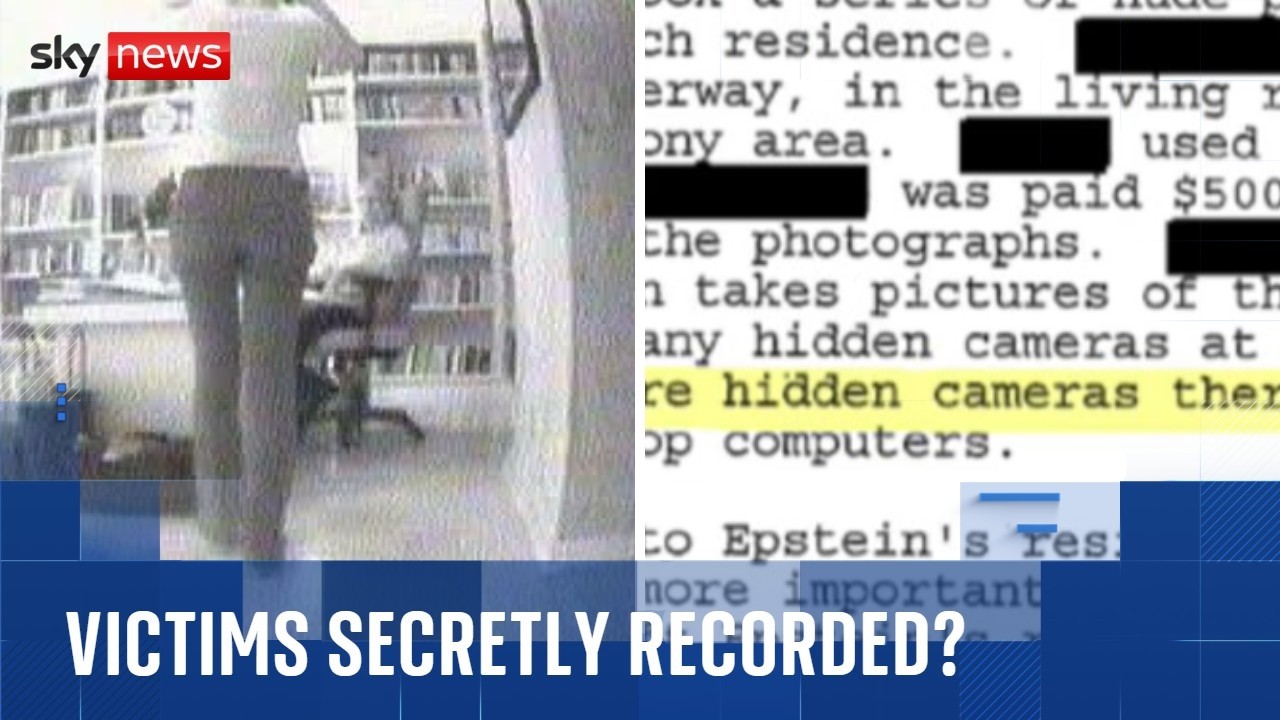
Emails obtained from Epstein’s inner circle detail instructions for installing motion-activated cameras disguised as tissue boxes. One message explicitly referenced the need for discretion, stating, “Remember what we spoke about if you want to put cameras in the house. It will have to be very discreetly done. The Russians may come in handy.” This cryptic line suggests Epstein’s intent to use the gathered intelligence to exert influence over Russian contacts, potentially turning them into pawns in his elaborate global scheme.
The Mechanics Behind Epstein’s Covert Surveillance
The use of everyday items like Kleenex boxes to conceal surveillance devices demonstrates a high level of sophistication and premeditation. Epstein’s approach was designed to avoid suspicion from guests or staff, allowing him to monitor conversations and activities without detection. This method of covert monitoring was likely a critical tool in his arsenal for gathering sensitive information, which he could later leverage for blackmail or manipulation.
Beyond the Kleenex boxes, Epstein’s surveillance network reportedly included hidden cameras and microphones installed throughout his New York mansion, Florida estate, and private island in the US Virgin Islands. This extensive setup indicates that Epstein was deeply invested in maintaining control over his environment and the people who frequented it.
Epstein’s Network of Storage Units: A Vault for Secrets
Further investigations reveal that Epstein maintained at least six storage units across the United States, including locations in New York and Florida. These units, leased from as early as 2003 until his death in 2019, housed computers, photographs, electronic equipment, and other materials crucial to his operations. Payment records show that Epstein continued to fund these storage spaces even after law enforcement began probing his activities.
Sources familiar with the documents suggest that Epstein employed private investigators to remove sensitive materials from his Palm Beach residence ahead of police raids in the mid-2000s. This preemptive action underscores a calculated effort to protect incriminating evidence from seizure.
Systematic Duplication and Data Security
One of the most revealing aspects of Epstein’s strategy was his use of data cloning. Hard drives and other storage devices were duplicated and distributed across multiple locations, ensuring that even if authorities confiscated one set of materials, identical copies would remain hidden elsewhere. This redundancy made it significantly more challenging for investigators to obtain a complete picture of Epstein’s operations.
This meticulous approach to data management highlights Epstein’s foresight and control. By replicating sensitive information, he created a fragmented archive that was difficult to trace or fully recover. The existence of multiple versions of the same data likely complicated law enforcement efforts and prolonged the investigation.
Fragmented Global Surveillance: Epstein’s Calculated Risk Management
Epstein’s surveillance and data storage network was not confined to his mainland properties. His private island in the US Virgin Islands also played a role in his global scheme. Staff communications reveal discussions about transferring computers and CDs from the island to mainland storage units, with some equipment reportedly wiped clean before relocation.
This dispersal of materials across various sites was a deliberate tactic to minimize risk. Epstein understood the vulnerability of centralizing all sensitive data in one place. By spreading his assets among multiple properties and storage facilities, he effectively created a fragmented system that complicated efforts to uncover the full extent of his activities.
An insider explained, “Rather than relying on a single property or cache, Epstein structured things to avoid exactly that risk. This setup made it much harder for investigators to piece together a complete picture, as no single search or seizure would reveal everything.”
The Implications of Epstein’s Surveillance Network
The revelation that Epstein used hidden cameras in Kleenex boxes and other everyday items to spy on guests and associates is a chilling reminder of the lengths he went to maintain power. His ability to manipulate individuals, including potential Russian contacts, through covert surveillance and blackmail paints a disturbing portrait of a man who operated a sophisticated global honeytrap spy ring.
The fragmented nature of his data storage and surveillance network suggests that Epstein was several steps ahead of investigators, employing advanced tactics to protect his secrets. This complexity has left many questions unanswered and continues to fuel speculation about the true scope of his influence.
Conclusion
Jeffrey Epstein’s use of secret cameras hidden in Kleenex boxes and his extensive network of storage units reveal a calculated and highly sophisticated surveillance operation aimed at controlling powerful figures, including Russians. These revelations underscore the importance of vigilance in uncovering hidden abuses of power. To stay informed about the latest developments in this ongoing investigation and other exclusive exposés, subscribe to our newsletter today and never miss an update.

Leave a Reply