Richard Osman Reflects on His ‘Shameful and Bizarre’ Four-Decade Battle with Food Addiction
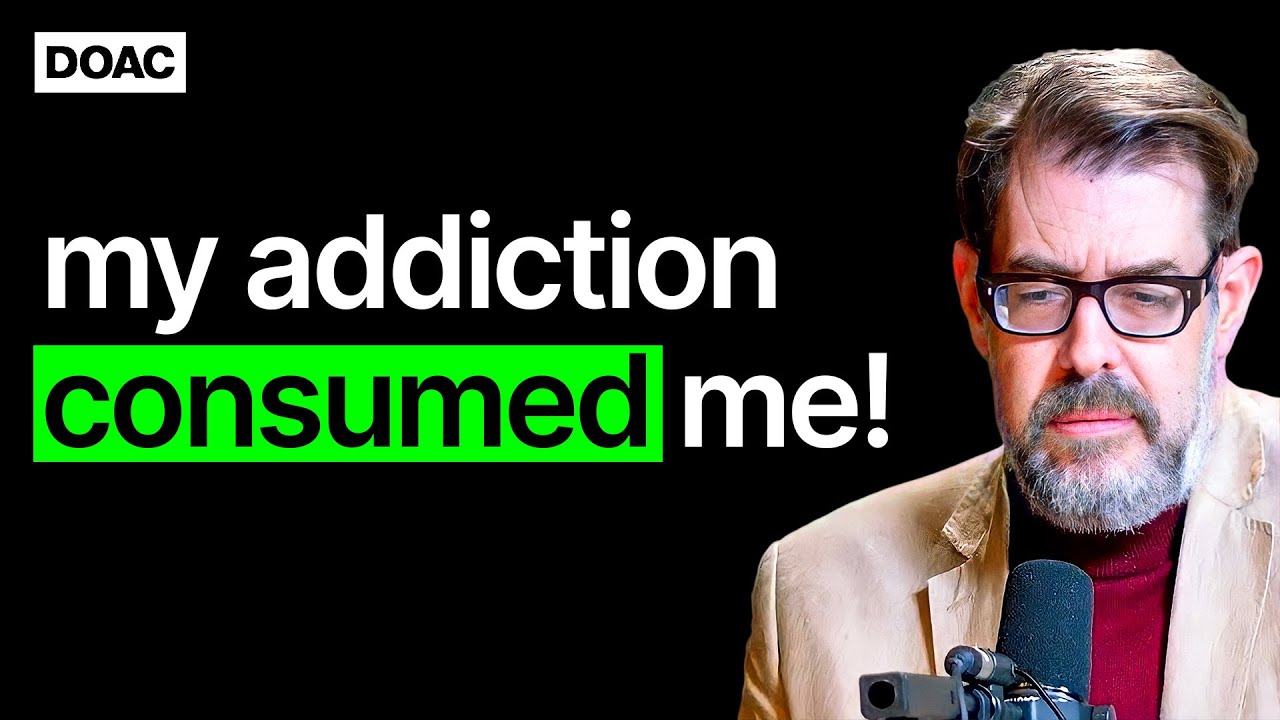
Richard Osman, the well-known presenter and author, has candidly shared his long-standing struggle with food addiction, describing it as a “shameful and bizarre” experience that has spanned over forty years. This deeply personal battle, he reveals, began in childhood following a traumatic family upheaval when his father walked out on the family for another woman. Osman’s story sheds light on how early emotional wounds can manifest as coping mechanisms, particularly through food, and highlights the importance of addressing such issues openly.
How Richard Osman’s Father’s Departure Triggered a Lifelong Food Addiction

At just nine years old, Richard Osman faced a life-altering event that would shape much of his emotional landscape: his father, David Osman, confessed to having an extramarital affair and subsequently left the family home in Sussex. He relocated to Warwickshire with his new partner, leaving behind his wife and children. For young Richard, this sudden loss of a stable family environment was traumatic.
Reflecting on this period, Osman explained on John Robins’ podcast, *How Do You Cope?*, how difficult it was to process such a profound change at a tender age. “It’s traumatic, that’s for sure,” he said. “It’s difficult to put yourself back in your nine-year-old brain. What do you know when you’re nine? Nothing, but you know family, and you know that there’s a certainty when you go home, and that’s ripped from you, so that would be a trauma for certain.”
This upheaval left Osman without a reliable father figure during his formative years, a void that he struggled to fill. In the absence of healthy emotional outlets or support systems, food became a source of comfort and control. Osman admits that his relationship with food was a way to cope with feelings of abandonment and insecurity.
The Social Context of the 1970s and Its Impact on Emotional Expression

Osman’s experience was also shaped by the societal norms of the 1970s, a time when mental health and emotional struggles were rarely discussed openly, especially within families. “This happened in the 1970s, which was a very different time, and it wasn’t the done thing to talk about it,” Osman noted. The cultural stigma around vulnerability meant that children like Osman were often left to manage their pain silently.
He recalls that as long as he appeared “okay” on the outside, it was assumed everything was fine. This expectation to mask emotional distress contributed to the development of his food addiction, as he sought solace in eating rather than confronting the underlying trauma.
The shame Osman felt about his addiction was compounded by the secrecy and silence surrounding it. He described the battle as “shameful and bizarre,” highlighting how difficult it was to reconcile his public persona with his private struggles.
Overcoming Food Addiction: Osman’s Journey Toward Healing

Despite the challenges, Richard Osman’s story is ultimately one of resilience and hope. By speaking openly about his food addiction and its roots, he is helping to break the stigma that often surrounds such issues. His willingness to share his vulnerability encourages others who face similar battles to seek help and understand that they are not alone.
Osman’s journey underscores the importance of addressing childhood trauma and the coping mechanisms that arise from it. Healing begins with acknowledgment and the courage to confront painful memories. For Osman, this has involved therapy, self-reflection, and building a support network that allows him to manage his addiction in healthier ways.
His experience also serves as a reminder of the need for greater awareness and compassion around mental health, particularly in families where children may be silently suffering.
Conclusion

Richard Osman’s candid reflection on his “shameful and bizarre” four-decade battle with food addiction reveals how deeply childhood trauma can influence our relationship with food and self-worth. His story highlights the importance of confronting emotional wounds and seeking support to overcome addiction. If you or someone you know is struggling with food addiction or emotional trauma, remember that help is available and recovery is possible. Don’t hesitate to reach out to mental health professionals or support groups today—your journey toward healing can start now.













Leave a Reply