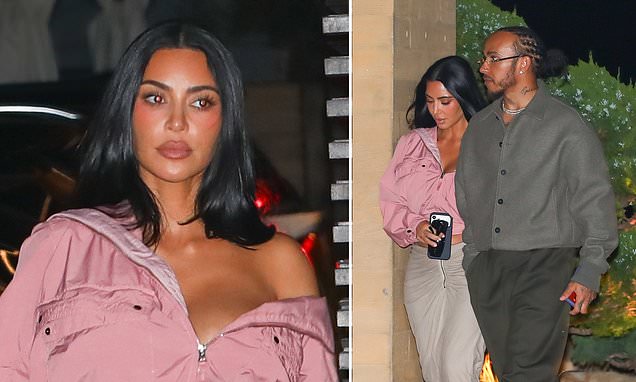
Lena Dunham’s Most Controversial Moments: From Her Abortion Comment to ‘Hipster Racism’ Allegations and the ‘Sexual Predator’ Tale About Her Sister
Lena Dunham’s Most Controversial Moments: A Closer Look

Lena Dunham, the acclaimed writer, director, and actress best known for creating and starring in the hit HBO series *Girls*, has long been a figure of both admiration and controversy. While she has earned numerous accolades, including Golden Globes and Emmy nominations, her career has also been marked by a series of public controversies that have sparked intense debate and backlash.
From candid remarks about her personal experiences to contentious social commentary, Dunham has often found herself at the center of heated discussions. This article delves into some of her most controversial moments, including her comments on abortion, allegations of “hipster racism,” and the troubling “sexual predator” label she once applied to her sister. We also explore how Dunham has addressed the intense loathing she has faced from the public and her evolving perspective on fame and criticism.
The Abortion Comment That Sparked Outrage
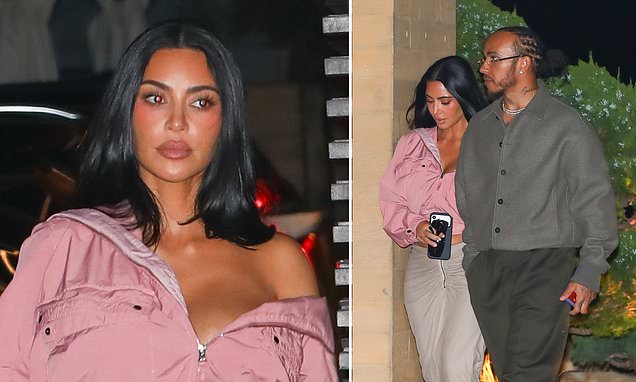
One of the earliest and most polarizing controversies surrounding Lena Dunham was her candid admission about abortion. In an interview, Dunham revealed that she had once wished she had undergone an abortion. This statement ignited a firestorm of criticism from various groups, including pro-life advocates and some members of the public who felt her comment was insensitive or dismissive of the gravity of abortion.
Dunham’s openness about her personal reproductive choices was intended to foster dialogue and destigmatize the topic. However, the bluntness of her remark was perceived by many as provocative, leading to widespread backlash. Despite the criticism, Dunham has remained unapologetic about discussing her experiences, emphasizing the importance of honesty and vulnerability in conversations about women’s health.
Accusations of ‘Hipster Racism’ and Cultural Insensitivity
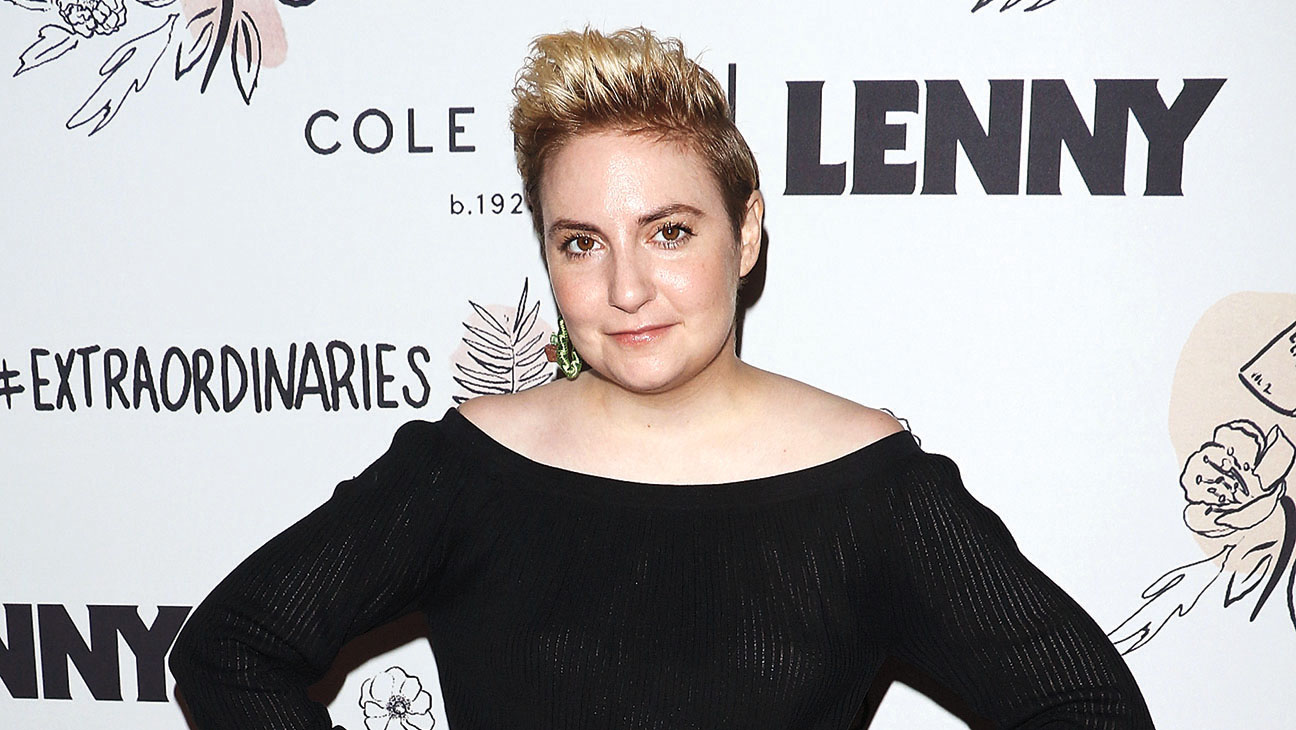
Another significant controversy that has dogged Lena Dunham is the accusation of “hipster racism.” This term refers to a form of casual or ironic racism often masked as humor or cultural commentary, typically prevalent among certain urban, progressive circles. Critics have accused Dunham of perpetuating stereotypes and engaging in cultural appropriation through her work and public statements.
For example, some detractors pointed to moments in *Girls* and Dunham’s social media presence where she appeared to trivialize or misunderstand racial and cultural issues. These incidents fueled debates about the responsibilities of white creators in representing diverse experiences and the fine line between satire and offense.
Dunham has responded to these criticisms by acknowledging her privilege and expressing a willingness to learn and grow. She has also highlighted the importance of self-reflection and dialogue in addressing issues of race and representation in the entertainment industry.
The ‘Sexual Predator’ Remark About Her Sister
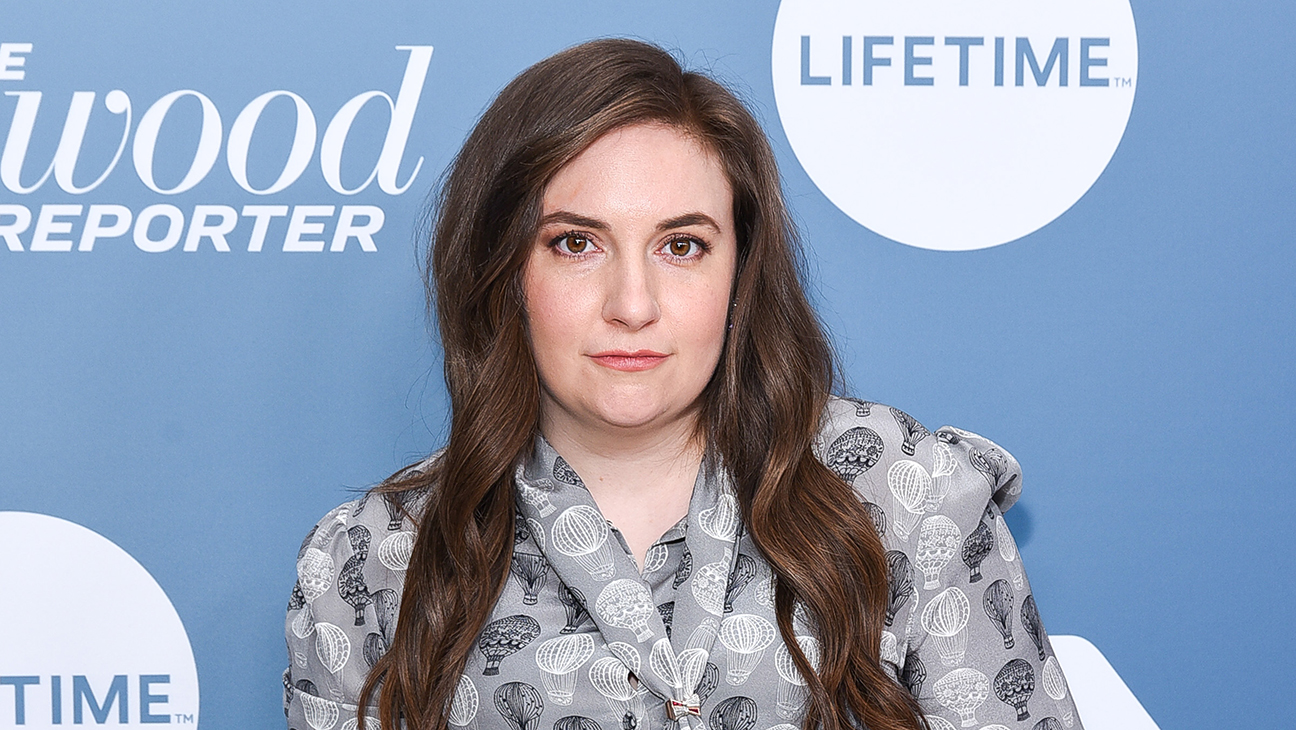
Perhaps one of the most shocking controversies involving Lena Dunham was her description of herself as a “sexual predator” in relation to her younger sister. In her memoir *Not That Kind of Girl*, Dunham recounted a childhood incident where she admitted to inappropriate behavior toward her sibling. This candid confession stirred significant public discomfort and debate about boundaries, consent, and the complexities of sibling relationships.
Many readers and commentators found the term “sexual predator” jarring and questioned whether it was an appropriate label for the behavior described. Dunham’s intention was to be brutally honest about her past mistakes and the nuances of childhood behavior, but the phrasing led to misunderstandings and criticism.
In later interviews, Dunham clarified her remarks, emphasizing that she did not intend to minimize the seriousness of sexual misconduct but rather to shed light on the complicated nature of familial interactions and personal growth.
Addressing the Intense Loathing from the Public
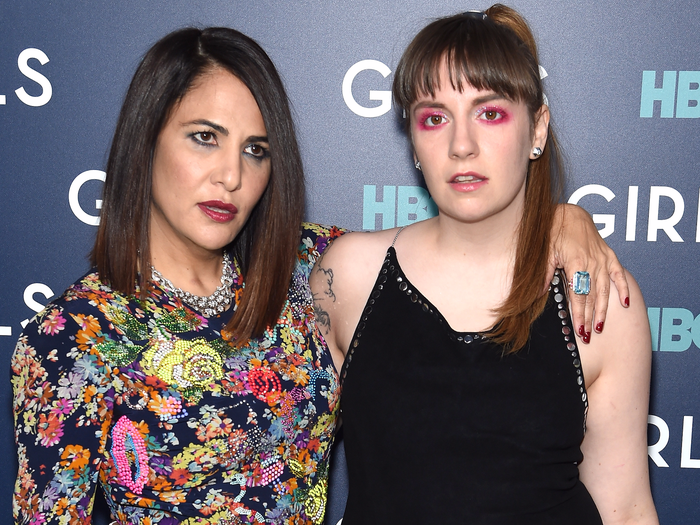
Lena Dunham has openly discussed the intense loathing and criticism she has faced throughout her career. In interviews, she has reflected on how public perception has often been harsh and unforgiving, describing herself as someone who has “annoyed people since she was so small.” Dunham attributes much of the backlash to her outspoken personality, willingness to challenge social norms, and refusal to conform to traditional expectations of women in Hollywood.
Despite the negativity, Dunham has maintained a resilient attitude, focusing on her creative work and personal growth. She has expressed a desire to be better understood rather than universally liked, acknowledging that controversy is sometimes an inevitable byproduct of being candid and unconventional.
Her memoir *Famesick* further explores her experiences with fame, chronic illness, and the complexities of public scrutiny. Through her writing, Dunham seeks to foster empathy and understanding, inviting readers to see beyond the headlines and controversies.
The Impact of Controversy on Dunham’s Career and Public Image
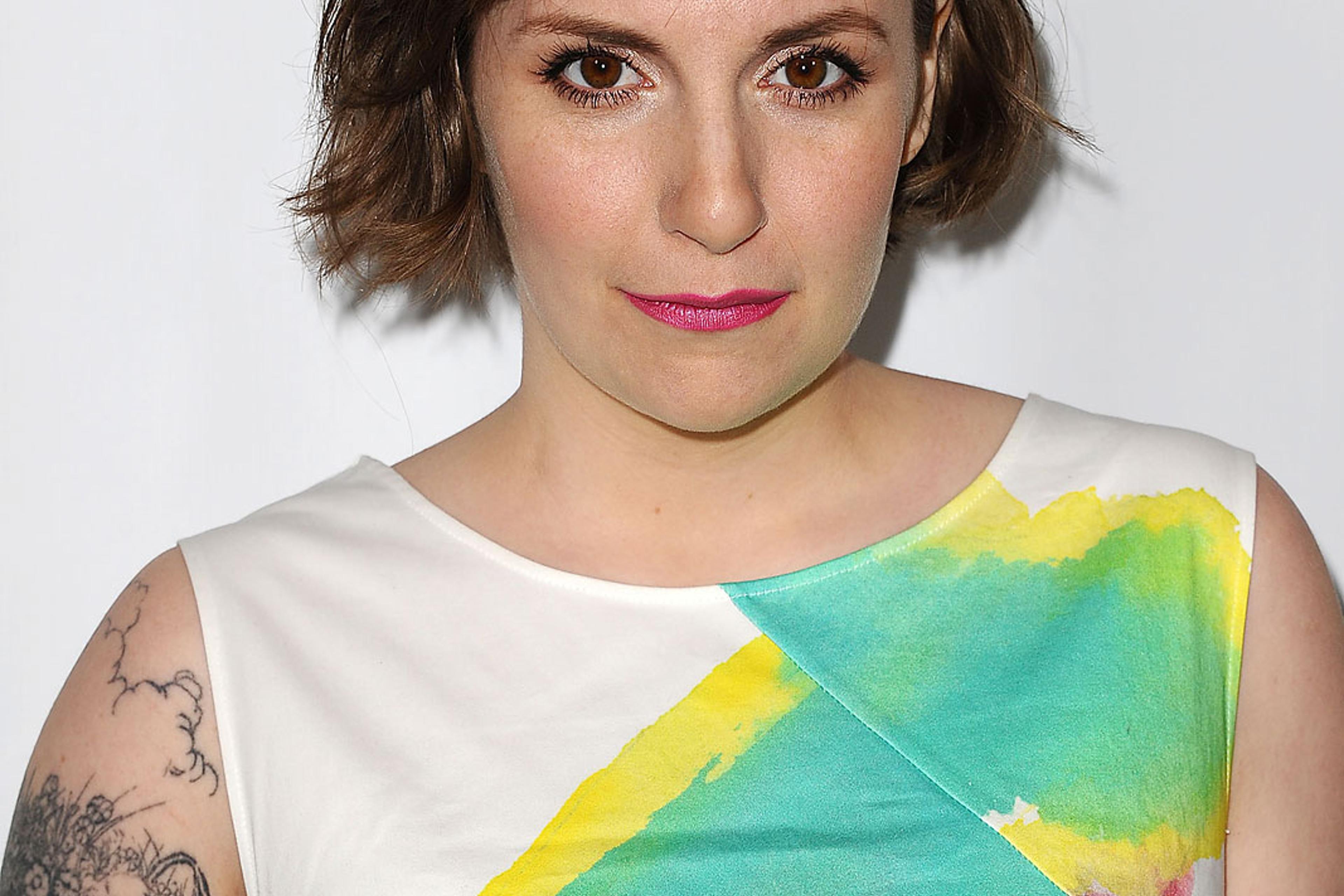
The controversies surrounding Lena Dunham have had a mixed impact on her career. On one hand, they have kept her in the public eye and sparked important conversations about feminism, privilege, and artistic freedom. On the other hand, they have alienated some audiences and industry figures, complicating her professional relationships and public image.
Dunham’s willingness to confront difficult topics head-on has earned her both admirers and detractors. While some praise her for breaking taboos and pushing boundaries, others criticize her for perceived insensitivity or self-centeredness.
Ultimately, Dunham’s journey illustrates the challenges faced by public figures who navigate the intersection of personal expression and social responsibility. Her story serves as a case study in the complexities of modern celebrity and the evolving standards of public discourse.
Conclusion

Lena Dunham’s most controversial moments—from her abortion comment to accusations of “hipster racism” and the candid “sexual predator” tale about her sister—highlight the complicated relationship she has with fame, public perception, and personal accountability. While these controversies have sparked intense debate and backlash, they have also opened up important conversations about honesty, privilege, and the challenges of being a female creator in today’s media landscape.
As Dunham continues to evolve both personally and professionally, her story reminds us of the power of vulnerability and the necessity of dialogue in understanding complex human experiences. Whether you admire her work or question her choices, Lena Dunham’s impact on contemporary culture is undeniable.
If you found this exploration of Lena Dunham’s controversies insightful, be sure to share this article and join the conversation about the challenges and responsibilities of public figures in the modern age.

Leave a Reply