
Comedian Katy Brand Criticises Strictly Bosses Over Joke She Refused to Perform During Christmas Special
Comedian Katy Brand has recently spoken out about her experience on the popular dance competition show, Strictly Come Dancing, particularly during the 2012 Christmas Special. Known for her sharp wit and comedic talent, Katy revealed that she was asked to deliver jokes during the show that she found unsuitable and ultimately refused to perform. This candid revelation has sparked conversations about creative control and the pressures celebrities face when participating in high-profile television programs.
Katy Brand Criticises Strictly Bosses Over Joke She Refused to Perform
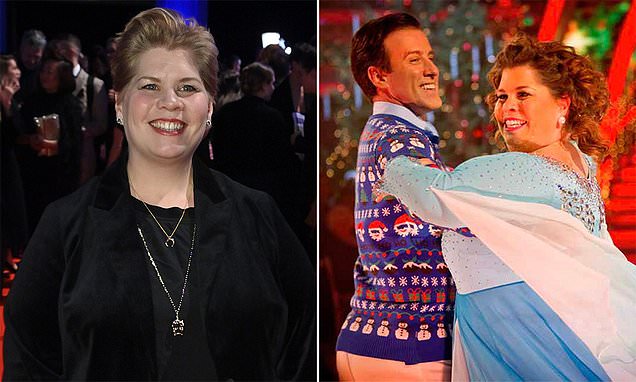
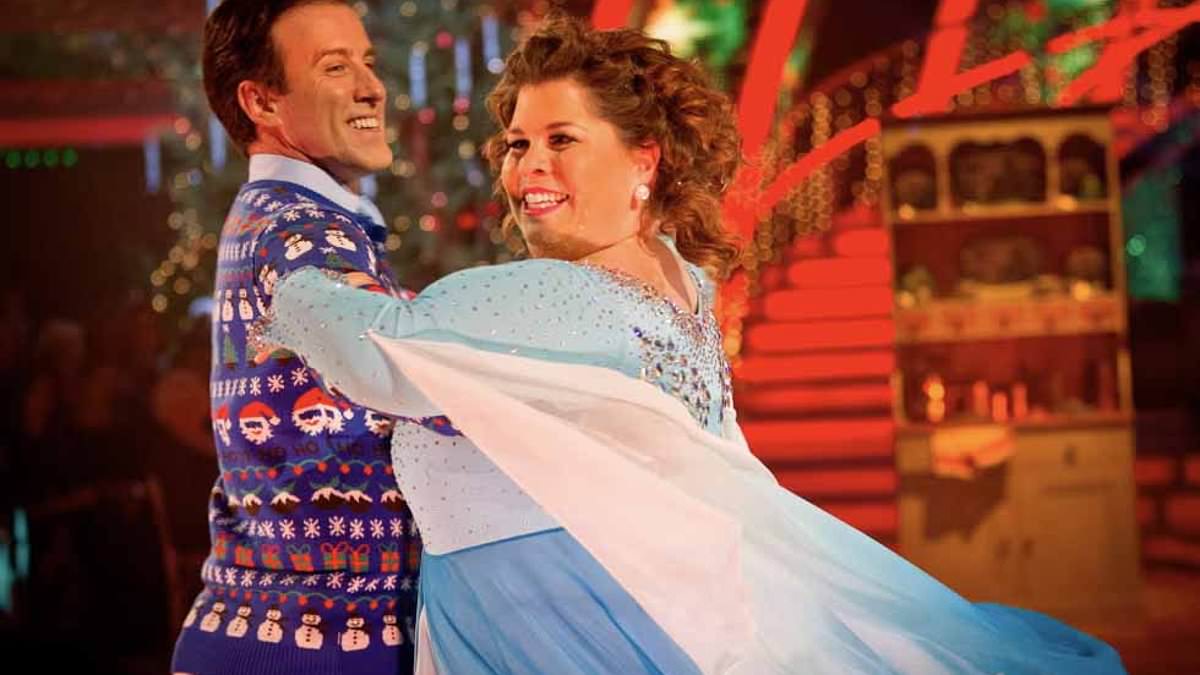
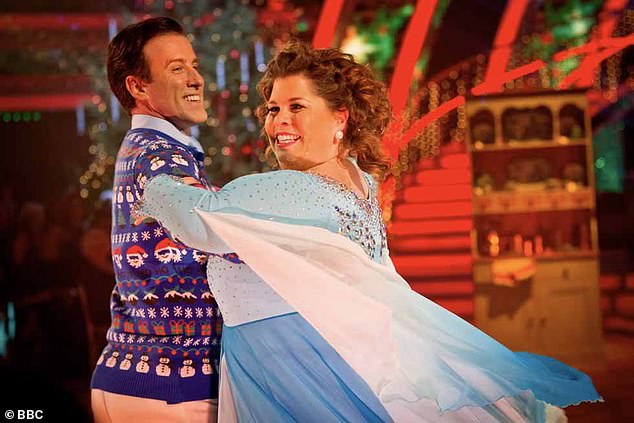
During her appearance on the 2012 Strictly Come Dancing Christmas Special, Katy Brand was partnered with professional dancer Anton Du Beke. Despite her enthusiasm, she finished near the bottom of the leaderboard with her Viennese Waltz performance. However, it wasn’t just the dancing that left a lasting impression—Katy has disclosed that producers fed her scripted jokes that she was uncomfortable delivering.
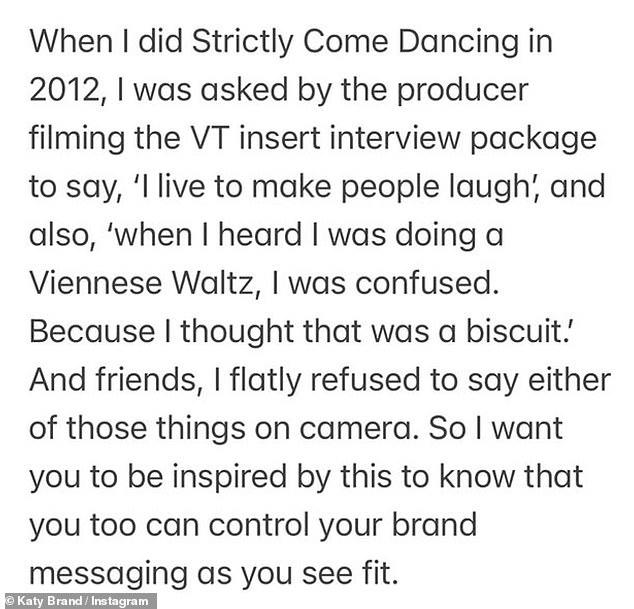
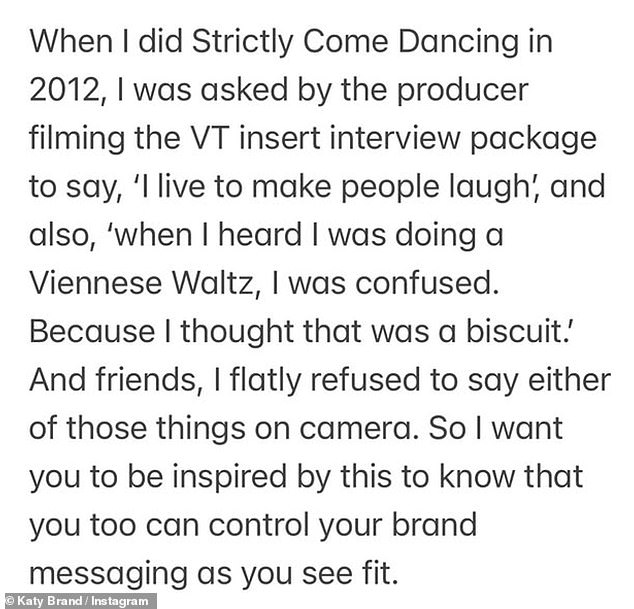
In an Instagram post, Katy shared that she was asked by the producer filming the VT interview package to say lines such as, “I live to make people laugh,” and a humorous quip about the Viennese Waltz: “When I heard I was doing a Viennese Waltz, I was confused, because I thought that was a biscuit.” Despite the lighthearted nature of these jokes, Katy flatly refused to say them on camera, choosing instead to maintain control over her personal brand and comedic style.
This act of defiance highlights the challenges celebrities face when balancing their authentic voice with the demands of television production teams. Katy’s stance encourages others to assert control over their messaging, even in environments where creative input may be limited.
The Importance of Controlling Your Brand Messaging on Television

Katy Brand’s experience on Strictly Come Dancing sheds light on a broader issue faced by many performers and public figures: the struggle to maintain authenticity while navigating scripted or producer-driven content. Television shows, especially those with large audiences like Strictly, often have strict guidelines and expectations for participants, including what they say on camera.
By refusing to deliver jokes that didn’t align with her comedic style or personal values, Katy demonstrated the importance of controlling one’s brand messaging. This is crucial not only for comedians but for anyone in the public eye who wants to maintain credibility and connect genuinely with their audience.
Moreover, Katy’s story serves as a reminder that it’s okay to say no to content that doesn’t feel right. Upholding personal integrity can sometimes mean pushing back against producers or directors, even in high-pressure situations.
Other Contestants’ Experiences on Strictly Come Dancing
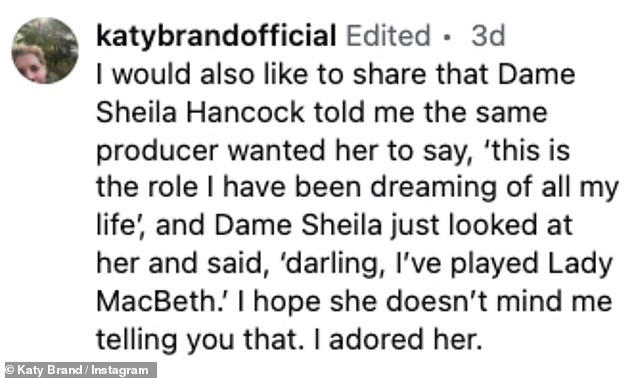
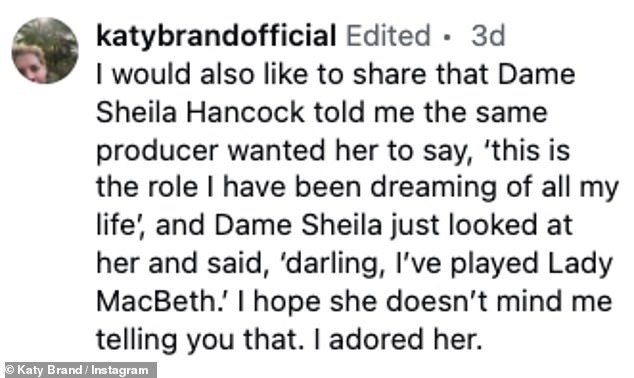
Katy Brand is not the only contestant to have voiced concerns about the scripting and production process on Strictly Come Dancing. Fellow competitor Dame Sheila Hancock, who appeared on the show at the age of 93, reportedly refused to say that her Strictly stint was “the role I have been dreaming of all my life” when prompted by producers.
These instances reveal that while Strictly Come Dancing is celebrated for its entertainment value and celebrity participation, there can be tension behind the scenes regarding how contestants are portrayed and what they are asked to say. The pressure to conform to a certain narrative or deliver specific lines can sometimes conflict with a participant’s authentic experience.
Reflecting on Katy Brand’s Strictly Come Dancing Journey
Katy Brand’s journey on Strictly Come Dancing in 2012 was memorable not only for her dance performances but also for her commitment to staying true to herself. Partnered with Anton Du Beke, she tackled the Viennese Waltz with determination, even if the judges’ scores didn’t place her at the top.
Her refusal to perform producer-fed jokes underscores the importance of authenticity in the entertainment industry. It also highlights the challenges celebrities face when their public image is managed or influenced by external forces.
For fans of Katy Brand and Strictly Come Dancing alike, her story offers an insightful glimpse into the realities of participating in a major television show and the value of maintaining creative control.
Conclusion
Katy Brand’s criticism of Strictly Come Dancing bosses and her decision to refuse certain jokes during the 2012 Christmas Special serve as a powerful reminder of the importance of controlling your brand messaging. Whether you are a comedian, performer, or public figure, staying true to your authentic voice is essential for building trust and credibility with your audience. If you’re inspired by Katy’s story, take control of your own narrative and never be afraid to say no to content that doesn’t align with your values. Stay informed and empowered by following more stories like this and learning how to protect your personal brand in the entertainment world.



Leave a Reply