Lena Dunham’s Most Controversial Moments: From Her Abortion Comment to ‘Hipster Racism’ Allegations and the ‘Sexual Predator’ Tale About Her Sister
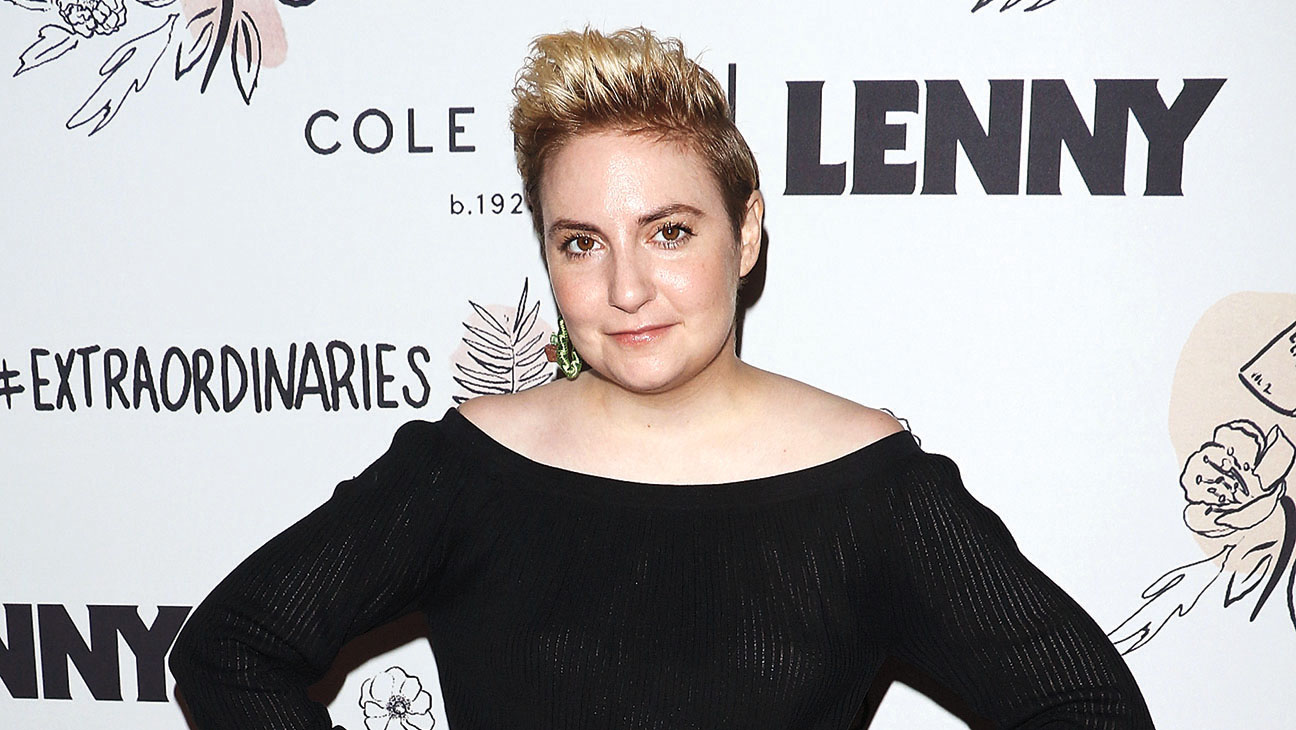
Lena Dunham, the acclaimed writer, director, and actress best known for creating the hit TV series *Girls*, has long been a polarizing figure in the entertainment industry. While her creative talents have earned her numerous accolades, including Golden Globes and Emmy Awards, Dunham’s career has also been marked by a series of controversies that have sparked intense public debate. From her candid remarks about abortion to accusations of ‘hipster racism’ and a shocking admission involving her sister, Dunham has often found herself at the center of heated discussions.
In her recently released memoir *Famesick*, Dunham opens up about her experiences with fame, chronic illness, and the backlash she has faced over the years. She reflects on the “intense loathing” she believes some people harbor towards her and attempts to provide context for the controversies that have defined much of her public persona. This article delves into the most notable moments that have kept Lena Dunham in the headlines, exploring how she has addressed these issues and the impact they have had on her life and career.
Lena Dunham’s Abortion Comment and Public Backlash

One of the earliest and most talked-about controversies involving Lena Dunham was her candid comment about abortion. During an interview, Dunham expressed that she “wished” she had had an abortion, a statement that immediately ignited a firestorm of criticism. Many accused her of trivializing a deeply personal and complex issue, while others felt her comment was insensitive to those who have faced difficult reproductive choices.
Dunham later clarified her remarks, explaining that her comment was meant to highlight the complicated feelings surrounding abortion and reproductive rights rather than to make a political statement. Despite her explanation, the backlash persisted, with critics accusing her of being provocative for attention. This moment exemplified how Dunham’s frankness often leads to misunderstandings and polarized opinions.
The ‘Hipster Racism’ Allegations and Cultural Criticism
Another significant controversy that Lena Dunham faced involved accusations of what has been dubbed “hipster racism.” Critics argued that Dunham’s work and public statements sometimes perpetuated racial stereotypes under the guise of irony or satire. This criticism intensified following certain scenes in *Girls* and comments she made in interviews that were perceived as dismissive or insensitive towards people of color.
Dunham responded to these allegations by acknowledging her privilege and expressing a willingness to learn and grow. She admitted that some of her past behavior and statements were misguided and apologized for any harm caused. However, detractors remained skeptical, pointing to a pattern of behavior that they felt reflected a lack of cultural awareness.
The ‘Sexual Predator’ Remark About Her Sister
Perhaps one of the most shocking controversies involving Lena Dunham was her description of herself as a “sexual predator” in relation to her younger sister. In her memoir, Dunham recounted a childhood incident where she engaged in inappropriate behavior with her sibling, a revelation that sparked widespread debate about boundaries, consent, and the complexities of sibling relationships.
This admission was met with mixed reactions. Some praised Dunham for her honesty and willingness to confront difficult topics, while others criticized her for using such a loaded term in a context that seemed to downplay its severity. Dunham has since clarified that her intention was to shed light on the nuances of childhood behavior rather than to sensationalize the issue.
Addressing the Intense Loathing and Public Reaction
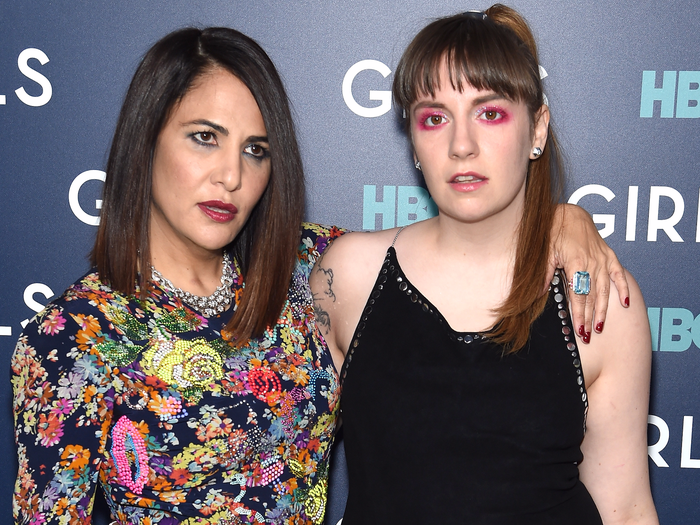
Throughout her career, Lena Dunham has been candid about the “intense loathing” she feels from certain segments of the public. In interviews, she has reflected on how she has “annoyed people since she was so small,” describing herself as a “tryhard” and someone who was “loud” and sometimes disruptive. This self-awareness has been a recurring theme in her discussions about fame and public perception.
Dunham’s role in *Girls* also contributed to the polarized reactions she received. The show’s unfiltered portrayal of female sexuality and flawed characters challenged conventional norms and often made viewers uncomfortable. Dunham has acknowledged that the feedback she received was sometimes harsh, with critics labeling her an “eyesore” or dismissing her work outright.
Despite the criticism, Dunham remains unapologetic about her creative vision and personal expression. In her memoir and public statements, she emphasizes the importance of authenticity and the need to embrace complexity rather than conform to sanitized expectations.
Controversies Surrounding Murray Miller and Subsequent Apologies

In addition to her personal controversies, Lena Dunham faced backlash for defending *Girls* writer Murray Miller after he was accused of rape by actress Aurora Perrineau. Dunham initially expressed support for Miller, which many saw as dismissive of Perrineau’s allegations. Following widespread criticism, Dunham issued a public apology, acknowledging that her response was hurtful and that she should have been more sensitive to the gravity of the accusations.
This episode highlighted the challenges Dunham faces in navigating public discourse around sensitive issues, especially those involving sexual misconduct. It also underscored the importance of listening to survivors and the complexities involved in balancing personal loyalties with public accountability.
Conclusion

Lena Dunham’s journey through fame has been anything but smooth. From her controversial abortion comment to accusations of ‘hipster racism’ and the candid revelations about her sister, Dunham has consistently sparked debate and divided opinion. Yet, through it all, she has remained committed to honesty and self-reflection, using her platform to explore difficult topics and challenge societal norms.
Her memoir *Famesick* offers a deeper understanding of the woman behind the headlines, revealing the struggles and growth that have shaped her. Whether you admire her boldness or question her choices, there is no denying that Lena Dunham’s story is a compelling example of the complexities of modern celebrity.
If you want to learn more about Lena Dunham’s life and the controversies that have defined her career, be sure to read *Famesick* and follow her ongoing journey of self-discovery and public dialogue.


Leave a Reply