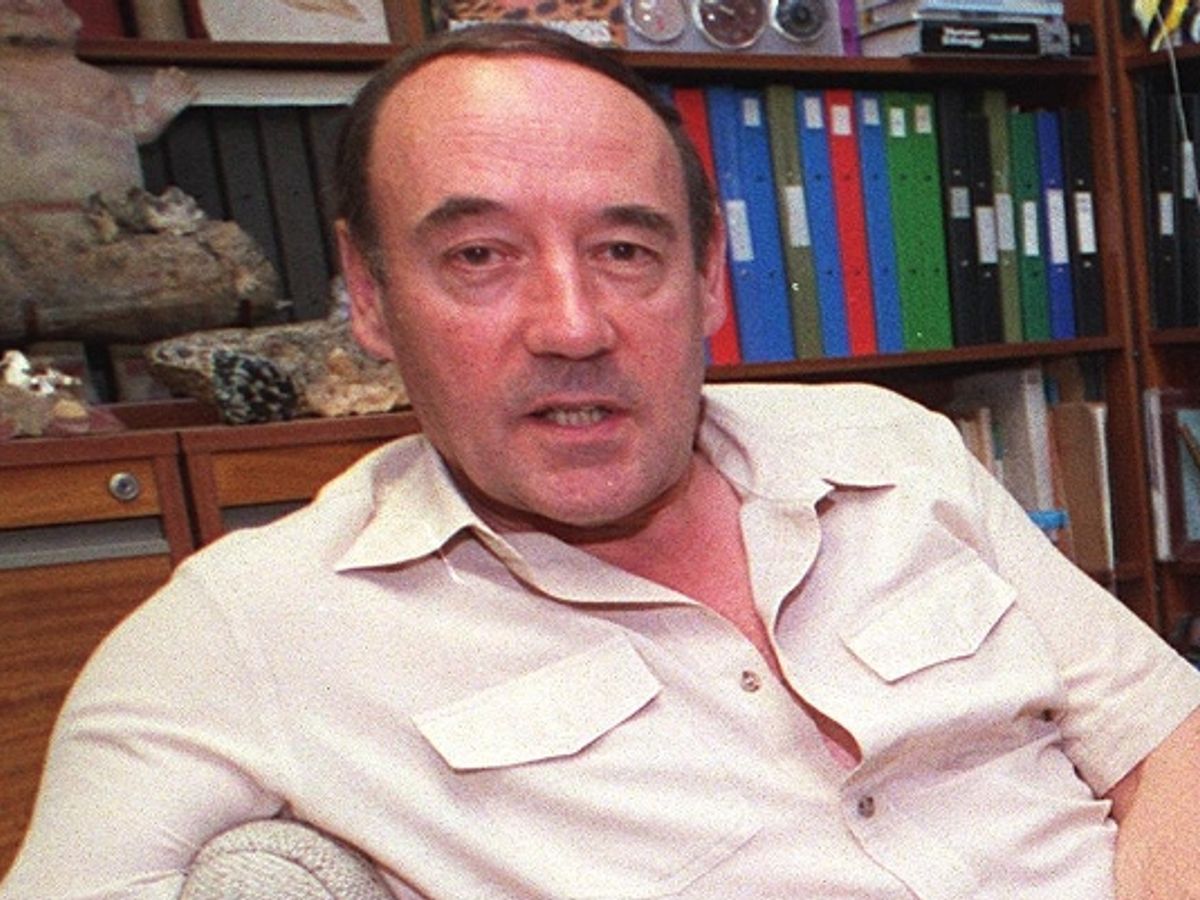
Desmond Morris Dead: BBC Presenter and Zoologist Dies as Tributes Pour In
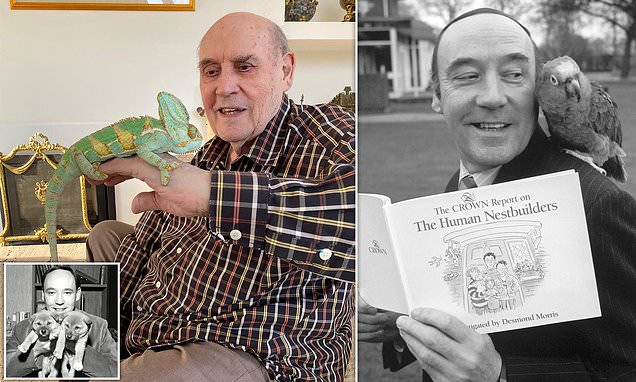
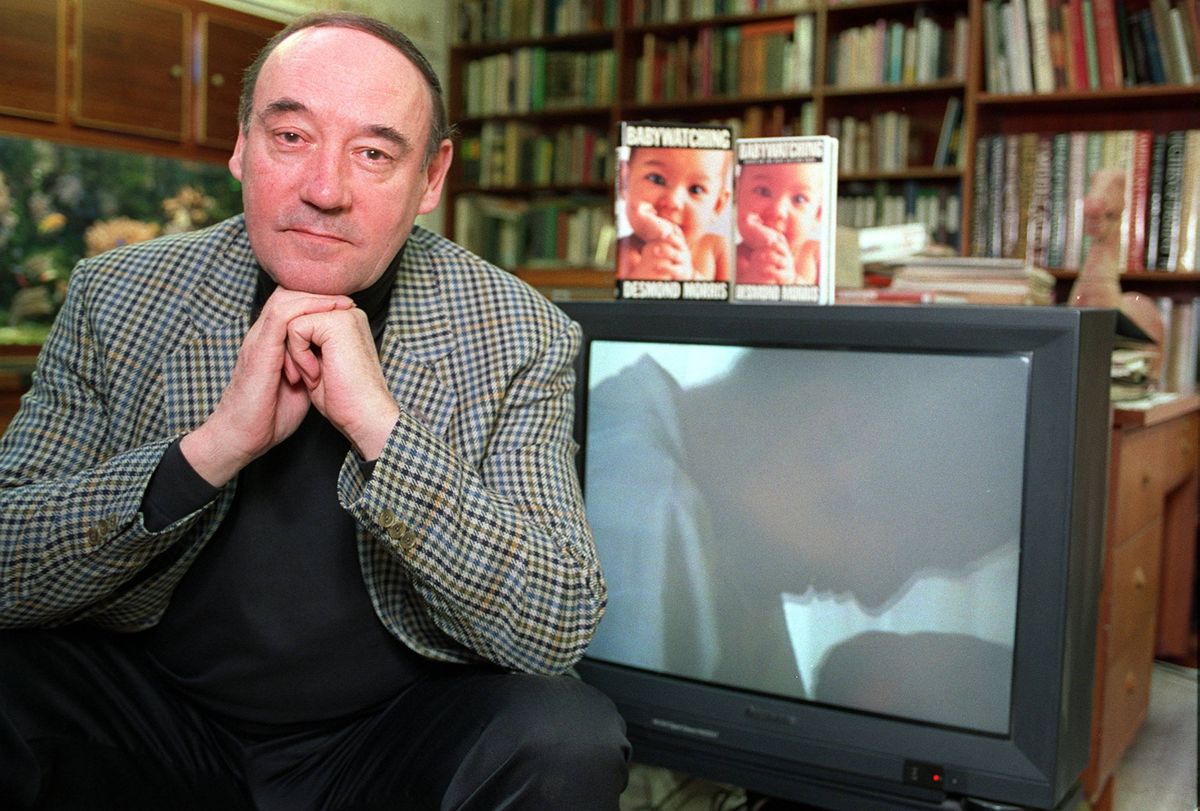
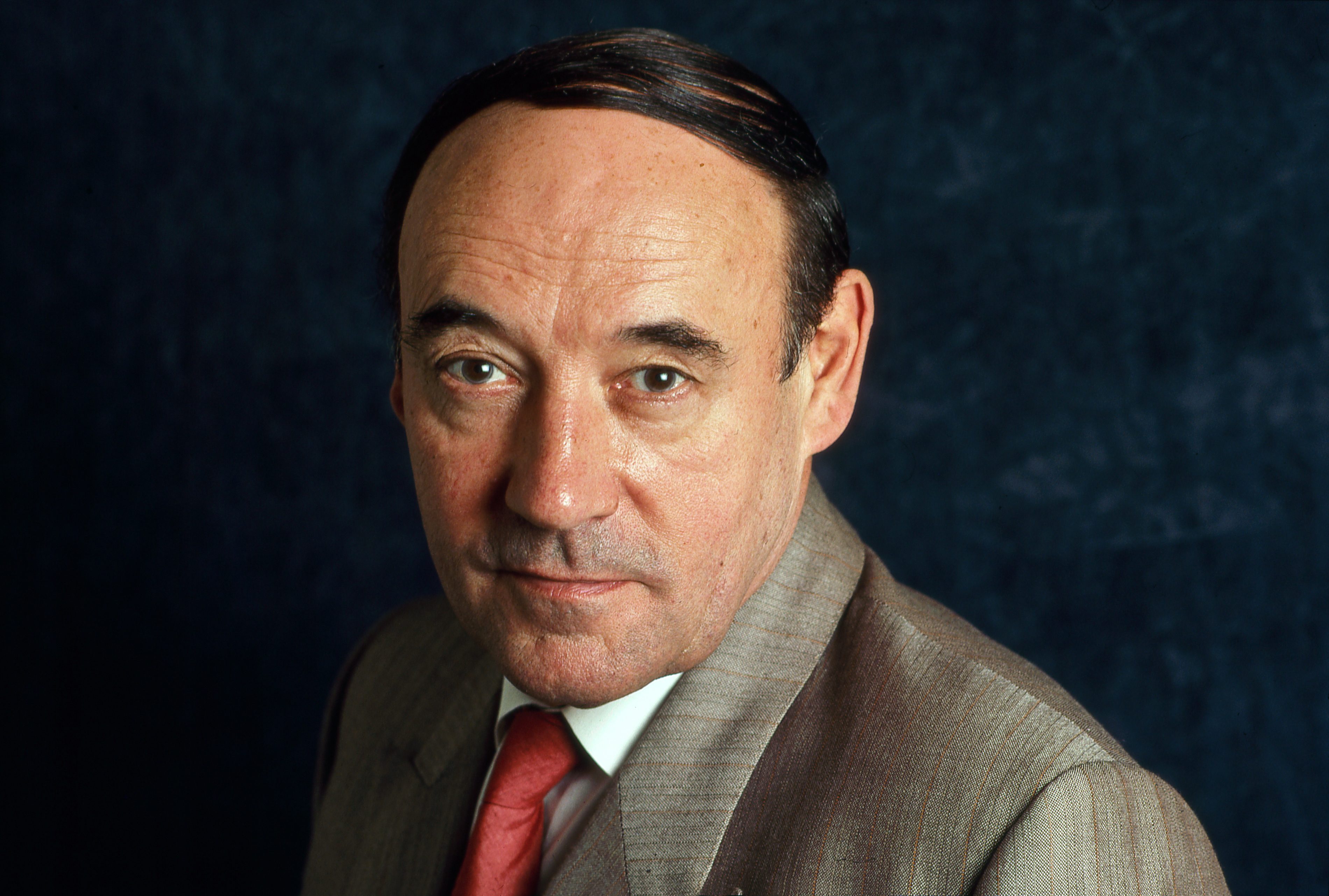
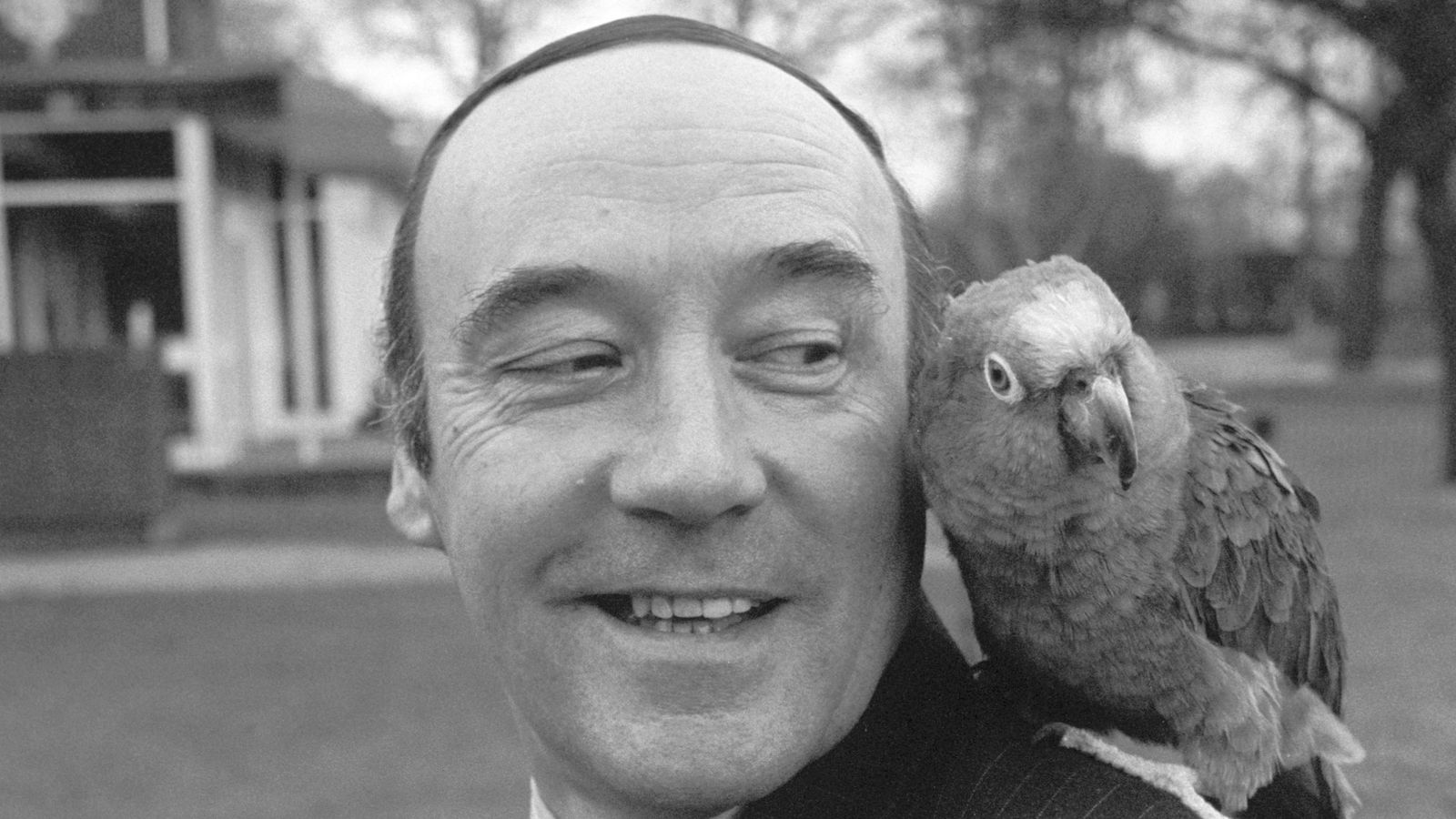
Desmond Morris, the celebrated zoologist and beloved BBC presenter, has died at the age of 98. Known for his profound contributions to natural history and his engaging television presence, Morris’s passing marks the end of an era for wildlife enthusiasts and viewers alike. His work, spanning decades, inspired countless people to appreciate the animal kingdom and understand human behavior through a biological lens. As news of his death spreads, tributes from fans, colleagues, and admirers continue to pour in, highlighting the lasting impact of his career.
Remembering Desmond Morris: The BBC Presenter and Zoologist
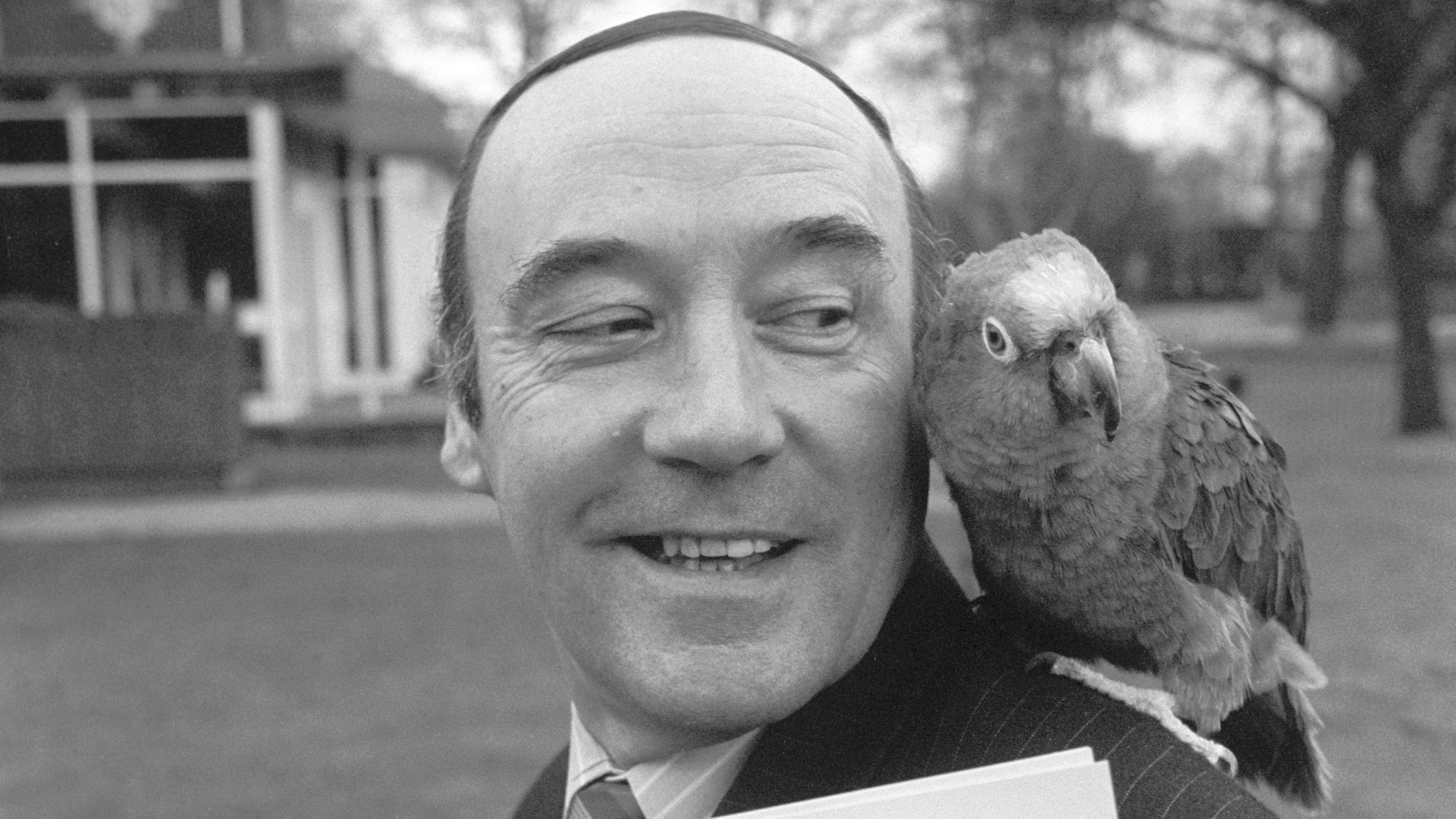
Born in Wiltshire in 1928, Desmond Morris developed an early fascination with animals that would shape his entire life. After completing national service in the British Army in 1946, he pursued zoology at the University of Birmingham. His academic journey continued at Oxford University, where he earned a doctorate focusing on the reproductive behavior of birds. This strong scientific foundation propelled Morris into a remarkable career that blended research, writing, and broadcasting.
Morris first gained international fame with his 1967 bestseller, The Naked Ape, a groundbreaking book that examined human beings from an evolutionary and zoological perspective. This work challenged conventional views and brought the study of human behavior into the public eye, making him a household name.
His television career was equally impressive. Morris became a familiar face on BBC screens, hosting the popular show Zoo Time, which ran until 1959 and featured over 500 episodes. He later presented Life in the Animal World on BBC Two, further cementing his reputation as a gifted communicator who could bring the wonders of the animal kingdom into living rooms across the UK and beyond.
A Multifaceted Legacy: Beyond Zoology
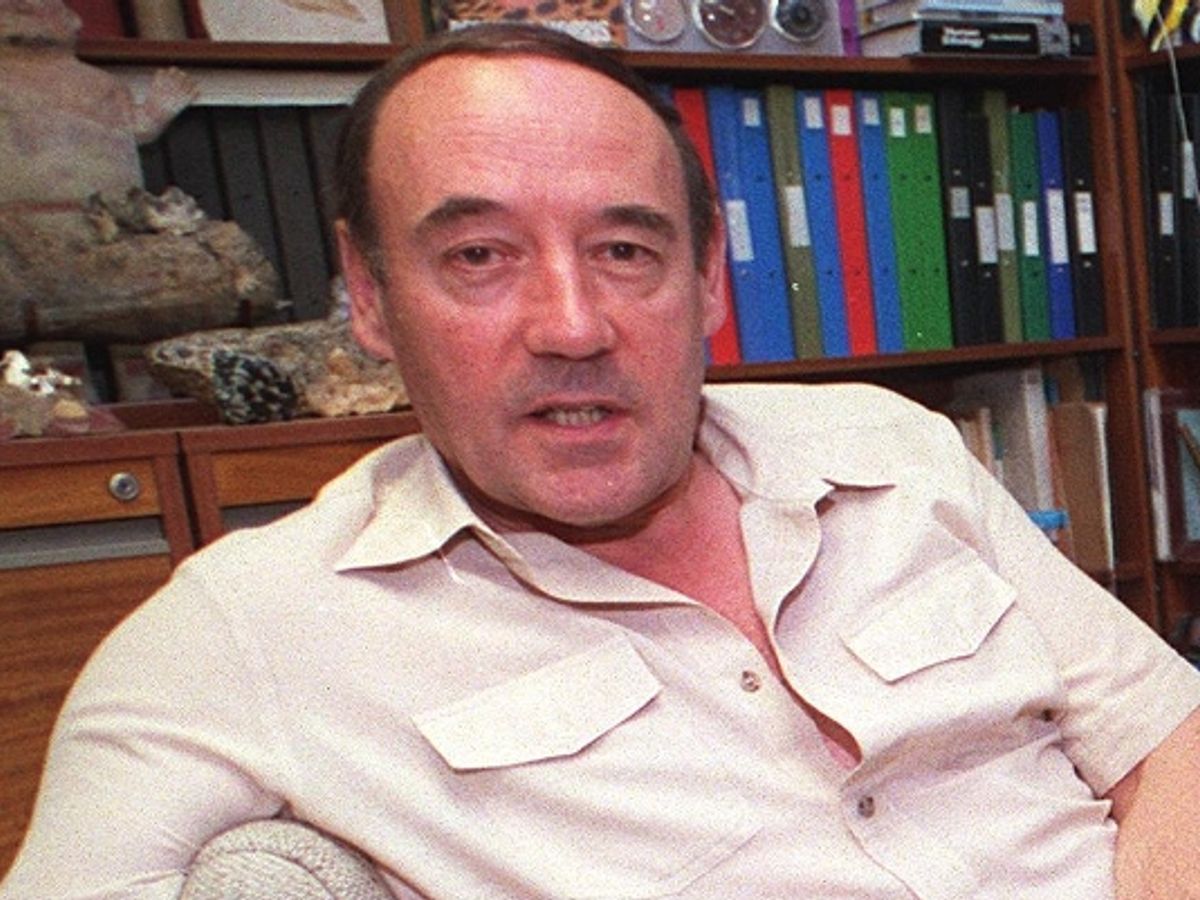
Desmond Morris was not only a zoologist and TV presenter but also a talented surrealist painter. He played a pivotal role in the British Surrealist movement during the 1950s, blending biological forms with artistic creativity. His paintings reflected his deep understanding of animal and human forms, merging science with art in unique and thought-provoking ways.
Living in Ireland since the passing of his wife Ramona in 2018, Morris continued to inspire through his work and public appearances. His death has sparked an outpouring of affection and respect on social media platforms like X, where fans share memories of his shows and writings. Many recall the warmth and curiosity he brought to his presentations, describing him as a “wonderful” personality who made learning about animals both accessible and enjoyable.
Desmond Morris’s Impact on Zoology and Popular Culture
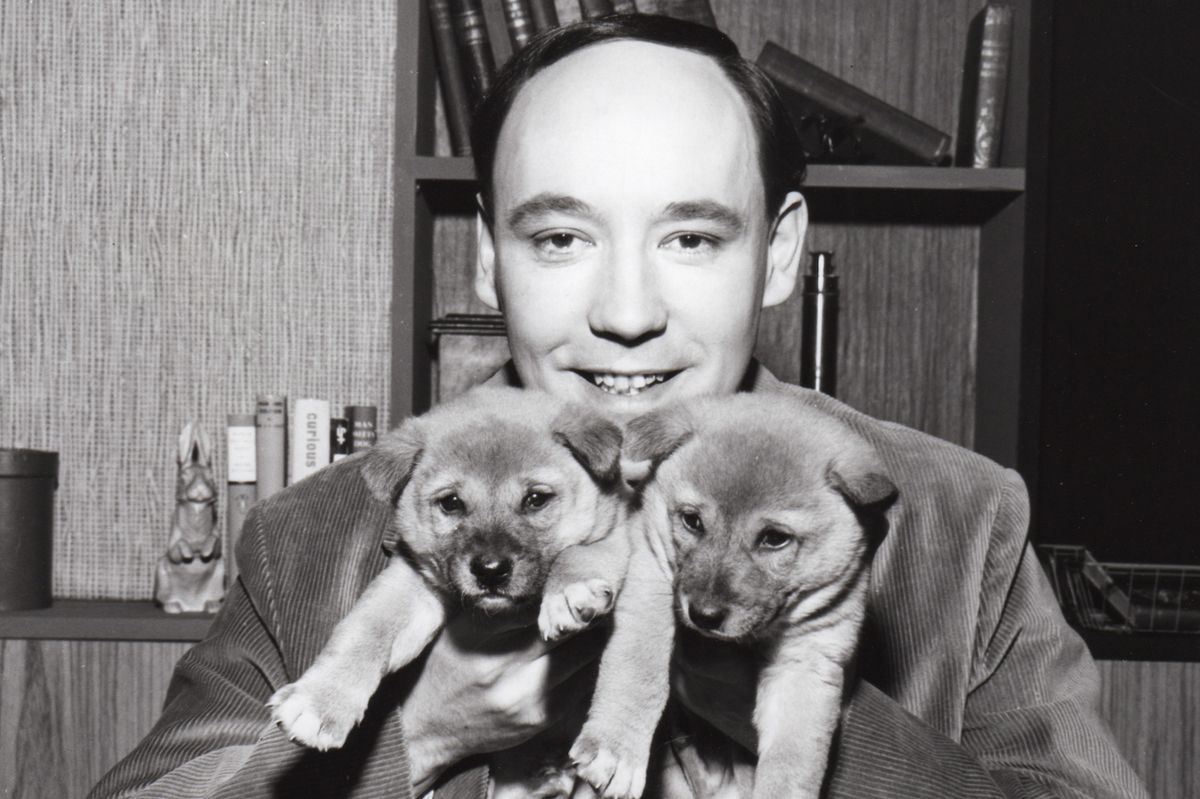
Desmond Morris’s influence extends far beyond his television career. His scientific research, particularly in ethology—the study of animal behavior—has been widely respected. His ability to communicate complex ideas in an engaging and understandable manner helped popularize zoology and natural history among the general public.
Moreover, his interdisciplinary approach, combining science, art, and media, set a precedent for future naturalists and broadcasters. Morris’s work encouraged people to see humans as part of the animal kingdom, fostering a greater appreciation for wildlife and the environment.
Tributes from fellow scientists, artists, and fans highlight the breadth of his contributions. One admirer reminisced about spotting Morris in Oxford during the 1970s, noting his keen observational skills and unique perspective on human behavior. Another tribute praised him as a “foremost surrealist artist and cat fan,” underscoring the diverse facets of his personality and career.
The Enduring Popularity of His Television Shows
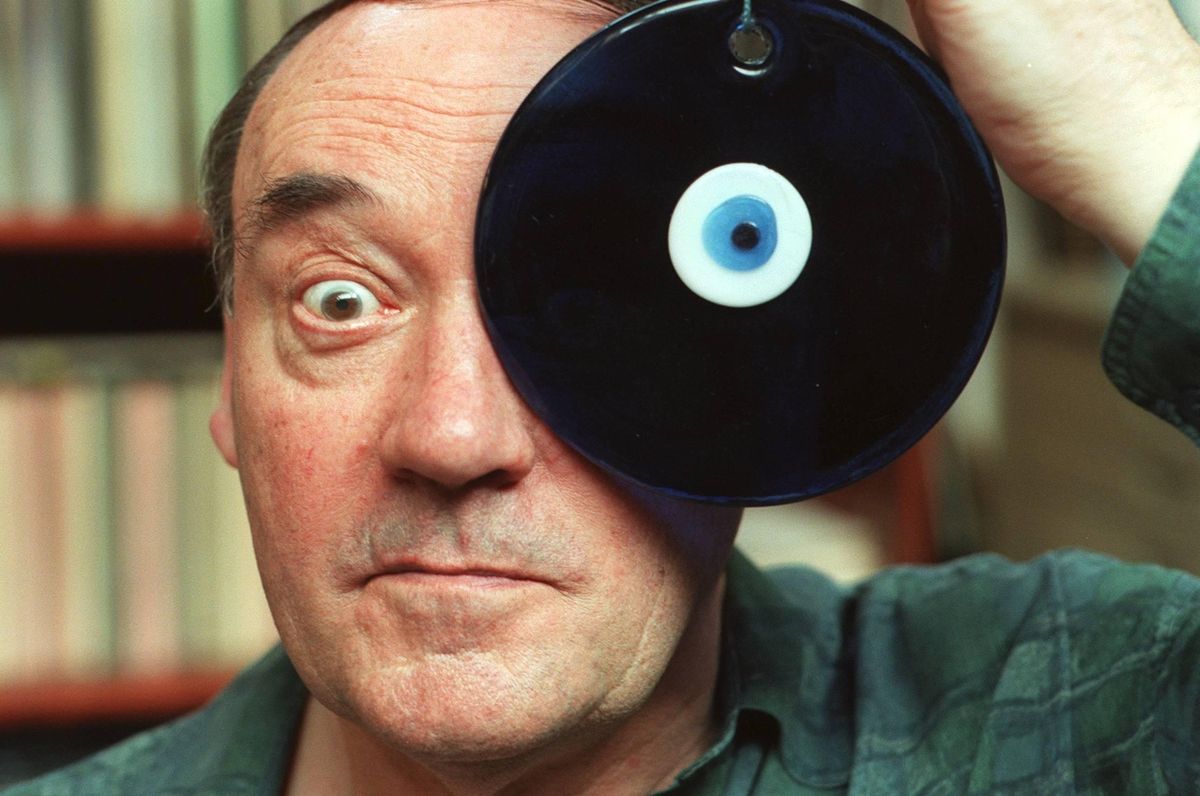
Programs like Zoo Time and Life in the Animal World remain iconic examples of wildlife broadcasting. Morris’s ability to blend scientific rigor with engaging storytelling made these shows timeless. His approachable style helped demystify animal behavior and brought the natural world closer to audiences of all ages.
As the head of the Granada Film Unit for the Zoological Society of London, Morris also contributed behind the scenes, shaping how wildlife documentaries were produced and presented. His legacy lives on in the many natural history programs that followed, inspired by his pioneering work.
Conclusion
Desmond Morris’s passing is a significant loss to the worlds of zoology, broadcasting, and art. His unique ability to connect science with the public, combined with his artistic talents, made him a beloved figure whose work will continue to inspire future generations. As we remember his extraordinary life and achievements, we invite you to explore his books, watch his classic programs, and celebrate the legacy of a true pioneer in natural history.
If you want to learn more about Desmond Morris’s fascinating career and contributions, be sure to check out his bestselling books and timeless BBC shows today.
Leave a Reply