
Coronation Street Star Tracy Shaw, 52, Reveals She Has Been Diagnosed with Breast Cancer
Tracy Shaw, the beloved actress known for her role as Maxine Peacock on the iconic British soap opera *Coronation Street*, has recently opened up about a deeply personal health challenge. At 52 years old, Tracy has been diagnosed with breast cancer, a revelation she courageously shared with her fans and followers. This article explores her diagnosis, treatment plan, and her heartfelt message to others battling the disease.
Tracy Shaw’s Breast Cancer Diagnosis and Treatment Plan

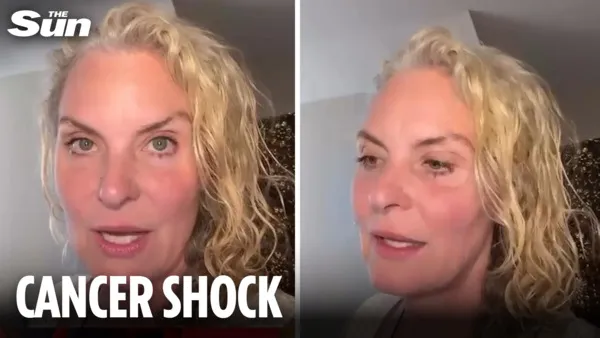
In a heartfelt Instagram video, Tracy Shaw disclosed that she has been diagnosed with breast cancer. Initially scheduled for surgery, her treatment plan changed after further tests revealed the presence of HER2-positive cancer cells. HER2, or human epidermal growth factor receptor 2, is a protein that promotes the rapid growth of cancer cells, often associated with more aggressive breast cancer types.
Due to this diagnosis, Tracy’s doctors at the Royal Berkshire Hospital recommended a five-month course of chemotherapy before any surgical intervention. She explained, “It means I have to have chemo for five months before then hopefully surgery to have the lumps removed and take the lymph glands out so they can do some more tests. And possibly more surgery before radiotherapy.” This comprehensive treatment approach aims to reduce the tumor size and eradicate cancerous cells, improving her chances of a successful recovery.
Tracy’s openness about her diagnosis and treatment highlights the importance of early detection and tailored medical care in breast cancer management. Her willingness to share her journey provides comfort and encouragement to many who may be facing similar battles.
A Message of Hope and Support from Tracy Shaw

Alongside her announcement, Tracy Shaw expressed solidarity with others undergoing cancer treatment. She wrote, “My diagnosis of breast cancer. So the journey begins… Love to everyone who is going through this journey, looking forward to hearing from all of you, especially you amazing survivors. Peace.”
Her message resonates deeply within the cancer community, emphasizing the power of connection and shared experiences. By reaching out to survivors and those currently fighting the disease, Tracy fosters a sense of unity and hope.
Breast cancer remains one of the most common cancers worldwide, affecting millions of women each year. Stories like Tracy’s remind us of the importance of awareness, regular screenings, and the emotional strength required to face such a diagnosis.
Understanding HER2-Positive Breast Cancer
HER2-positive breast cancer accounts for approximately 15-20% of all breast cancer cases. This subtype is characterized by an overexpression of the HER2 protein, which accelerates the growth of cancer cells. While HER2-positive cancers tend to be more aggressive, advances in treatment have significantly improved outcomes.
Targeted therapies, such as trastuzumab (Herceptin), are commonly used alongside chemotherapy to specifically attack HER2-positive cells. Tracy’s treatment plan, involving chemotherapy followed by surgery and potentially radiotherapy, aligns with current best practices for managing this cancer type.
Early diagnosis and personalized treatment strategies are crucial in improving survival rates and quality of life for patients with HER2-positive breast cancer.
The Importance of Early Detection and Regular Screening

Tracy Shaw’s story underscores the critical role of early detection in breast cancer prognosis. Regular mammograms and self-examinations can help identify abnormalities at an early stage, when treatment is more likely to be successful.
Women over 50, like Tracy, are encouraged to participate in routine breast screening programs. Awareness of risk factors, such as family history and lifestyle, combined with timely medical consultation, can lead to earlier diagnosis and better outcomes.
Healthcare professionals advocate for increased education and support to empower women to take proactive steps in monitoring their breast health.
How to Support Loved Ones Facing Breast Cancer
Supporting someone diagnosed with breast cancer involves empathy, patience, and practical assistance. Tracy Shaw’s openness about her journey invites friends, family, and fans to offer encouragement and understanding.
Simple acts such as accompanying a loved one to appointments, helping with daily tasks, or simply listening can make a significant difference. Emotional support is vital in helping patients navigate the physical and psychological challenges of cancer treatment.
Community groups and online forums also provide valuable networks for sharing experiences and advice, fostering a sense of belonging and resilience.
Conclusion

Tracy Shaw’s brave revelation about her breast cancer diagnosis shines a light on the realities many face when confronted with this disease. Her journey through chemotherapy, surgery, and beyond serves as a powerful reminder of the importance of early detection, personalized treatment, and emotional support.
If you or someone you know is affected by breast cancer, remember that you are not alone. Reach out to healthcare professionals, support groups, and loved ones to help navigate this challenging path.
Stay informed and inspired by stories like Tracy’s. For more information on breast cancer awareness, treatment options, and support resources, visit reputable health websites or consult your doctor today. Your health matters—take the first step now.


Leave a Reply