Sunday Brunch Host Forced to Issue Apology Over Guest’s Comment on Channel 4 Show
Sunday Brunch, the popular Channel 4 show known for its lively conversations and celebrity guests, recently found itself in an unexpected spot of controversy. During a live broadcast, host Tim Lovejoy was compelled to apologise after comedian Amy Gledhill, a guest on the show, inadvertently used a word that was off-limits on live television. This incident not only caught the attention of viewers but also sparked a debate about language restrictions on live TV. In this article, we delve into the details of what happened, the reactions from both the hosts and the audience, and the broader implications for live broadcasting.
Sunday Brunch Host Issues Apology After Guest Breaks Language Rules
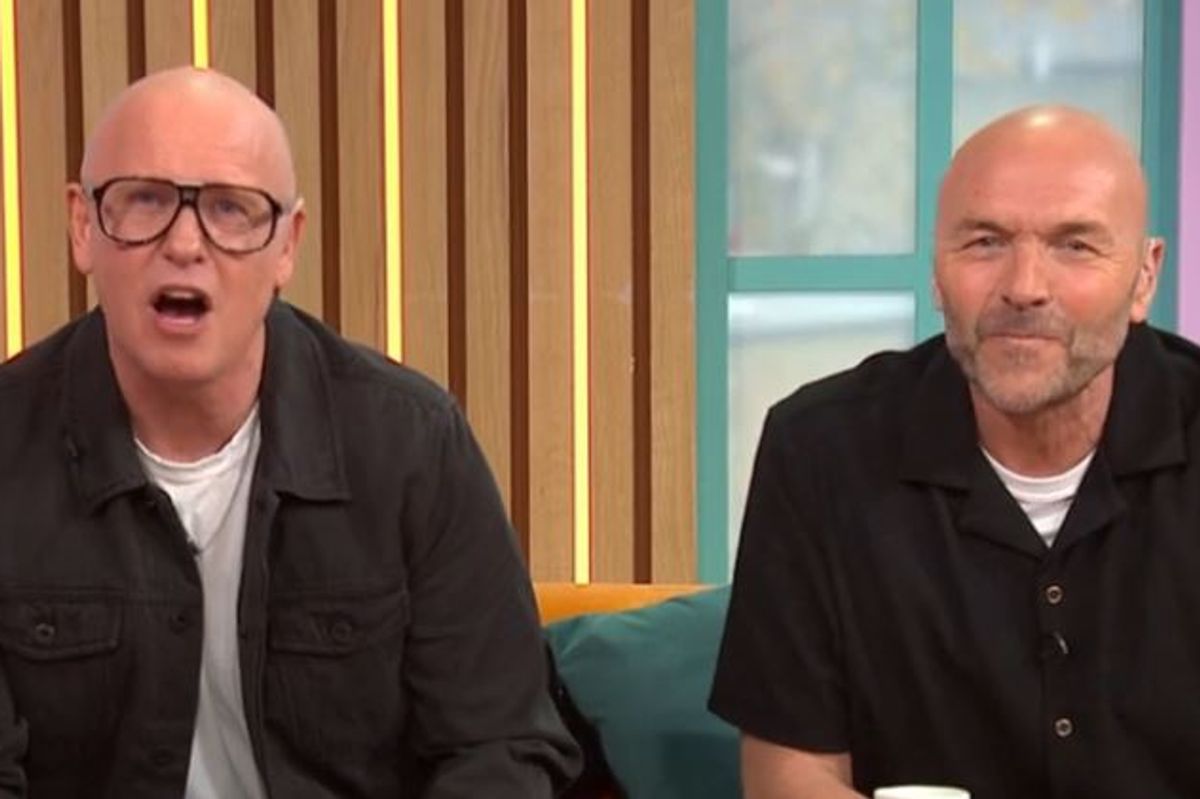
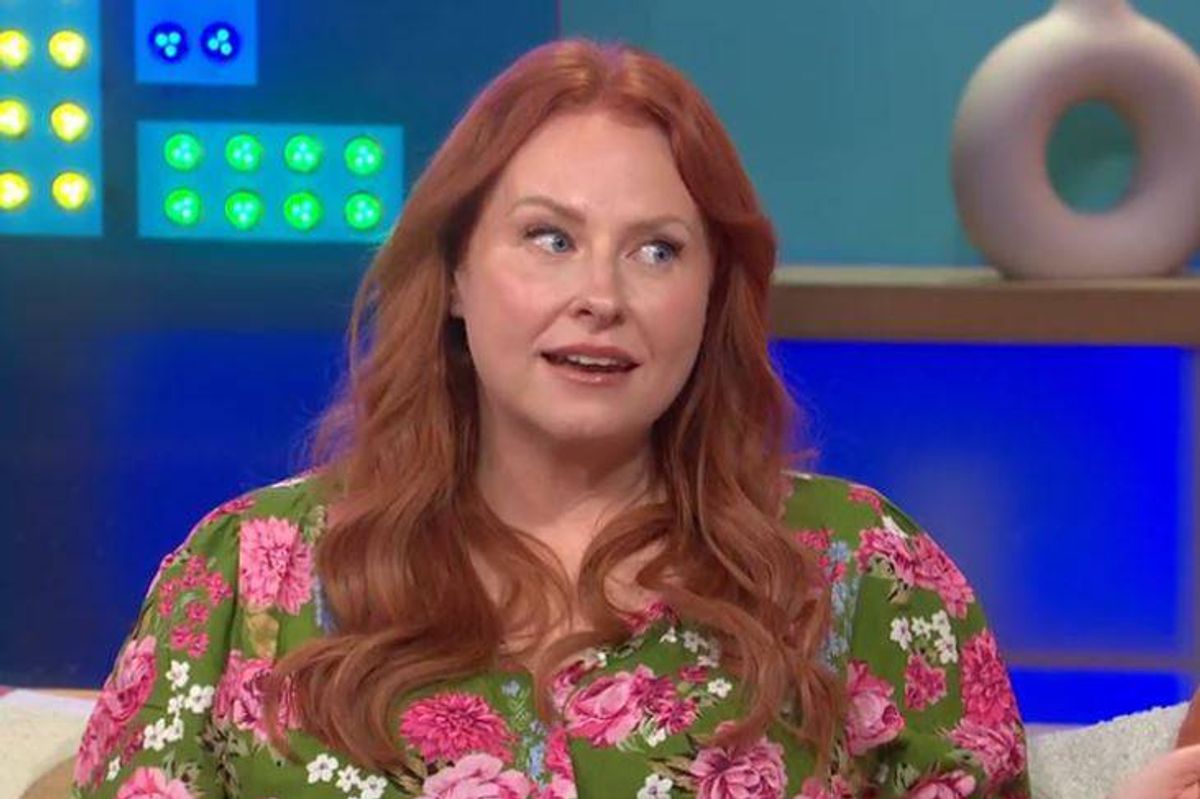
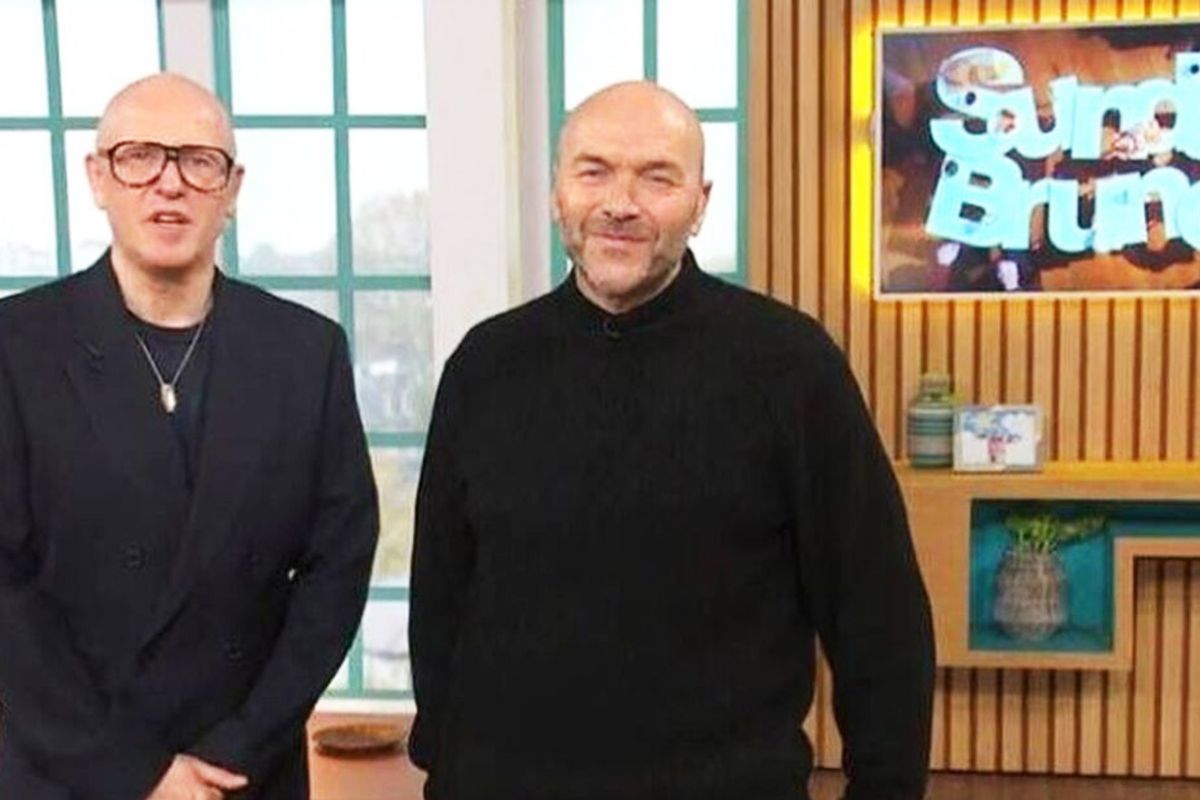
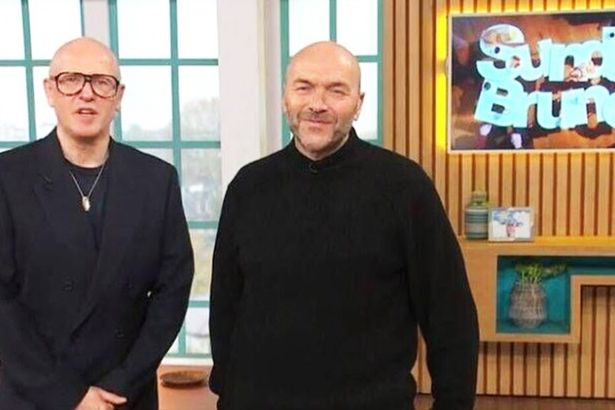
The incident occurred during a segment where Amy Gledhill, a comedian featured on the new series of Taskmaster, was discussing her upcoming stand-up tour titled *Thanks For Having Me*. While chatting with hosts Tim Lovejoy and Simon Rimmer, Amy enthusiastically described her excitement for the tour. In the midst of her remarks, she said, “We’re going to have a bloody good time,” unaware that the word “bloody” was prohibited on the live show.
Immediately after the comment, Tim Lovejoy interrupted to clarify the show’s language policy, stating, “You’re not allowed to say that word, by the way. So can I just apologise?” Amy quickly responded with an embarrassed, “Oh, I apologise!” Tim reassured her that it was “no problem at all,” but the moment had already drawn laughter from the other guests and viewers alike.
Amy then humorously reflected on the incident, saying, “Oh, I’ve broken a rule. I’ve always been a teacher’s pet,” before jokingly adding, “I’m quite punk.” She acknowledged the unexpected nature of the moment by saying, “Wow. I did something wild on live TV. So sorry.”
Guest Amy Gledhill’s Upcoming Comedy Tour and Her Energetic Persona
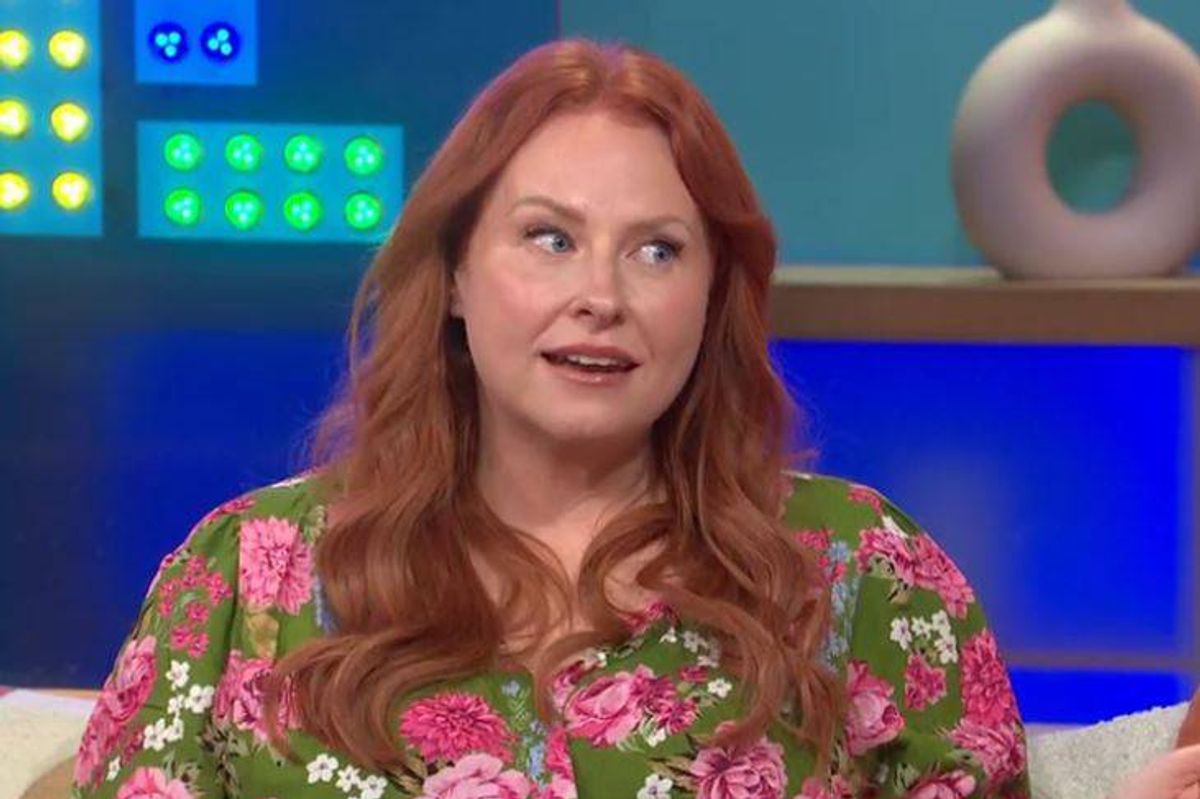
Despite the brief language slip, Amy Gledhill continued to share insights about her upcoming comedy tour, which is scheduled for next year. She revealed that she has been crafting stories for the show and described her performance energy as that of a “competition winner.” Amy said, “I’ve got big competition winner energy. And I’m just so like, ‘Thank you so much.’ I’m just over the moon all of the time.”
Her candid and upbeat personality resonated well with the hosts and audience, making the language mishap a lighthearted moment rather than a serious issue. The tour promises to showcase Amy’s unique comedic style, blending her punk rock attitude with heartfelt storytelling.
Viewer Reactions and the Debate Over Language Restrictions on Live TV
The apology and the reason behind it did not go unnoticed by Sunday Brunch viewers. Many took to social media platform X (formerly Twitter) to express their confusion and frustration over the strict language rules. One user simply posted “WTF,” while another commented, “Can’t say ‘bloody’ …. f*** right off,” highlighting the perceived inconsistency in what is deemed acceptable on television.
This incident has reignited discussions about censorship and the evolving standards of language on live broadcasts. While some viewers appreciate the need for maintaining decorum, others argue that certain words, like “bloody,” are relatively mild and should not warrant an apology or interruption.
Understanding Language Policies on Live Television Shows
Live television shows often operate under strict guidelines to avoid offending audiences or breaching broadcasting regulations. Words considered profane or inappropriate can lead to fines or complaints, which is why hosts and producers are vigilant about language use during live segments.
In the case of Sunday Brunch, the word “bloody” is evidently on the list of banned terms, prompting Tim Lovejoy to quickly intervene and apologise on behalf of the show. This proactive approach helps maintain the program’s family-friendly reputation and ensures compliance with broadcasting standards.
However, as language evolves and societal norms shift, broadcasters face the challenge of balancing authenticity and spontaneity with regulatory compliance. The Amy Gledhill incident serves as a reminder of the delicate nature of live TV and the importance of clear communication between hosts, guests, and production teams.
Conclusion
The recent Sunday Brunch episode featuring Amy Gledhill’s unintentional use of a restricted word highlights the complexities of live television broadcasting. While the apology issued by host Tim Lovejoy was swift and lighthearted, it sparked a wider conversation about language restrictions and viewer expectations. As live shows continue to entertain audiences, they must navigate the fine line between spontaneity and adherence to broadcasting rules.
If you enjoyed this inside look at Sunday Brunch and want to stay updated on the latest TV moments and entertainment news, be sure to subscribe to our newsletter and follow us for more engaging content!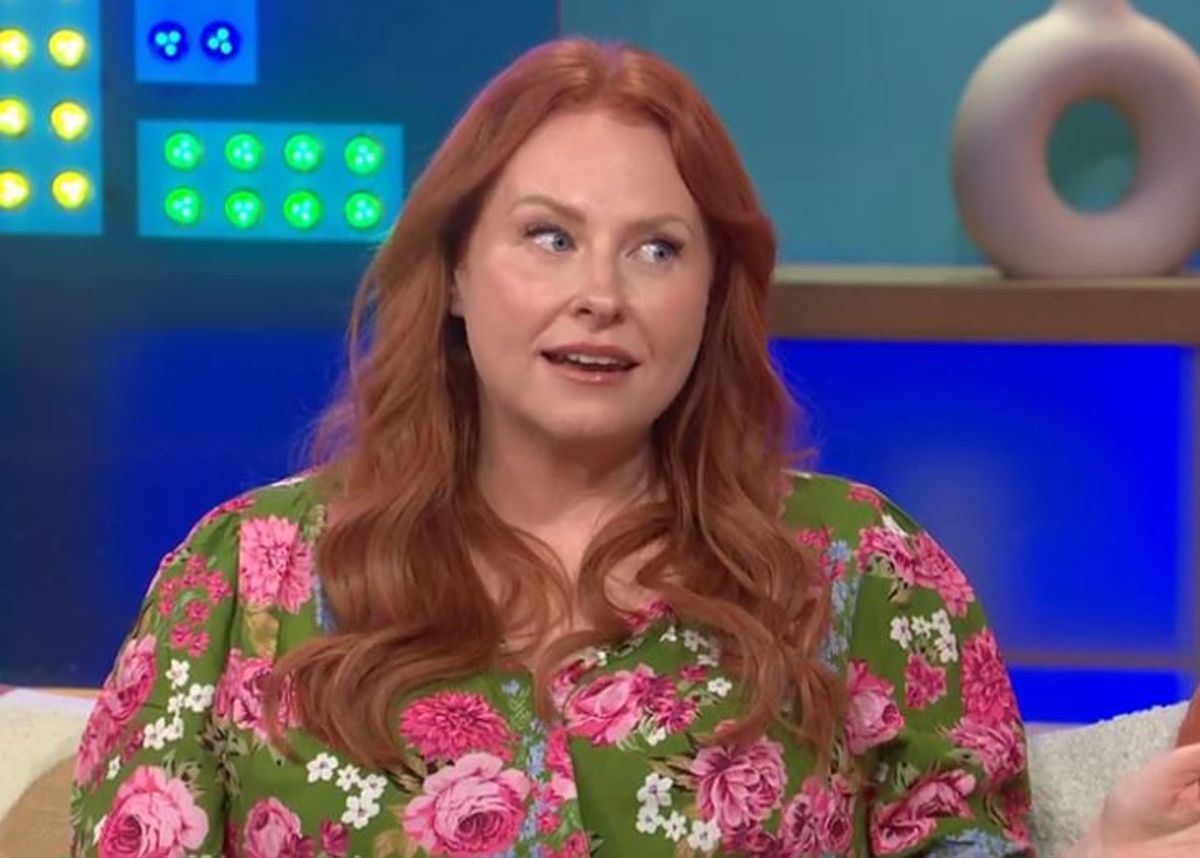

Leave a Reply