What Andre The Giants Final Year Was Really Like
Andre The Giants Final Year: A Glimpse Into The Life of a Wrestling Legend
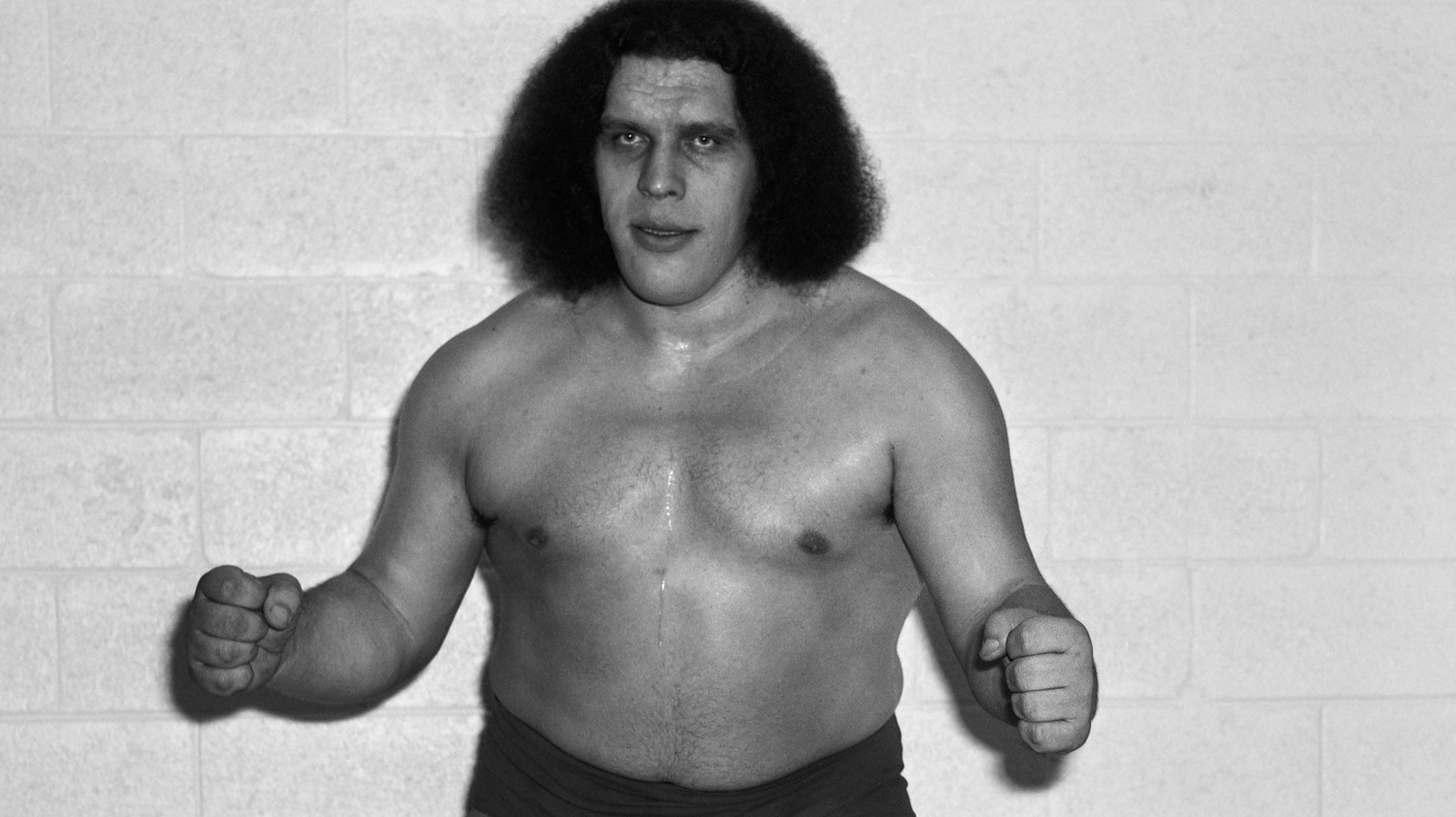
Andre the Giant, known as “The Eighth Wonder of the World,” remains one of the most iconic figures in professional wrestling history. Standing over seven feet tall and weighing more than 500 pounds, Andre René Roussimoff’s immense size and charisma made him a global superstar. However, behind the larger-than-life persona was a man battling a debilitating condition and personal hardships, especially in his final year. This article delves into what Andre the Giant’s last year was really like, highlighting his health struggles, career challenges, and enduring legacy.
Early Signs and Lifelong Battle with Acromegaly
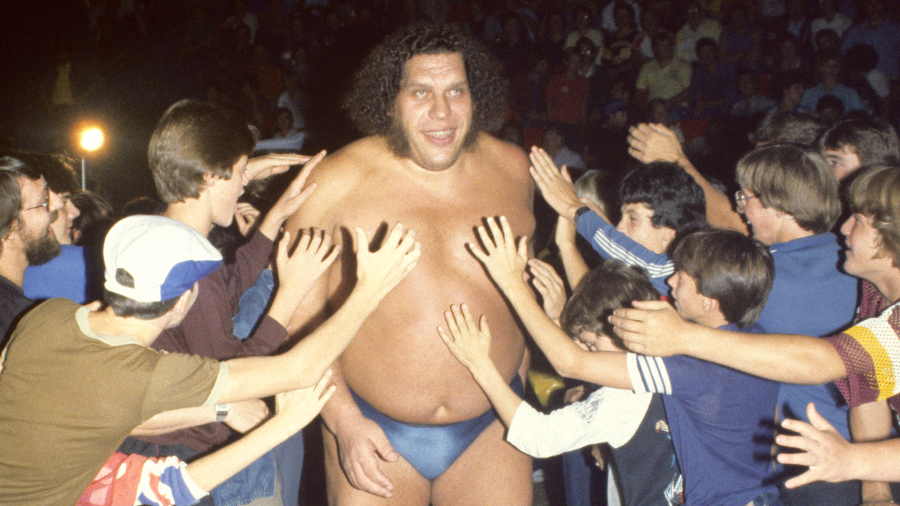
Andre was born in Coulommiers, France, in 1946, weighing an extraordinary 13 pounds at birth. His rapid growth was due to acromegaly, a rare hormonal disorder caused by a pituitary gland tumor that produces excessive growth hormone. This condition led to his extraordinary height and size but also caused chronic pain and health complications throughout his life.
Despite the severity of his condition, Andre chose to avoid medical treatment for much of his life, fearing it would interfere with his wrestling career. This decision contributed to the worsening of his symptoms, including joint pain, mobility issues, and other complications. By the time he reached his final year, his health had significantly deteriorated, and he was often seen using crutches or requiring assistance to move.
The Final Year in the Wrestling Ring
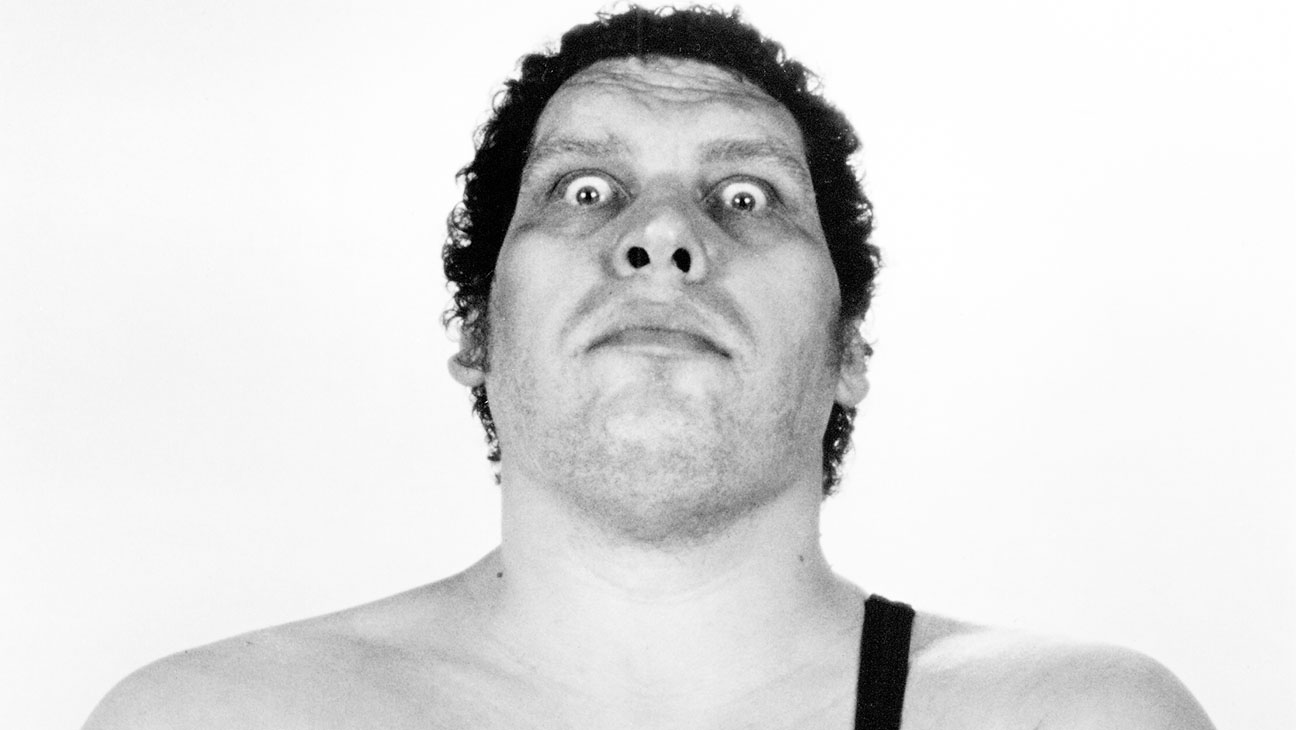
Andre’s last year in professional wrestling was marked by a slow but steady decline in his physical capabilities. His matches became increasingly choreographed to protect his fragile body from injury. Even his legendary bouts, such as the iconic WrestleMania III match against Hulk Hogan, were carefully planned to minimize strain.
In 1992, Andre continued to wrestle in Japan and Mexico, teaming with notable wrestlers like Giant Baba. His final match took place in December 1992, just weeks before his death. Despite his declining health, Andre remained dedicated to the sport he loved, often pushing through pain to entertain fans worldwide.
Struggles with Alcohol and Chronic Pain
To cope with the relentless pain caused by acromegaly, Andre turned to alcohol, which became both a relief and a legendary aspect of his persona. His tolerance for alcohol was extraordinary due to his size and liver condition, with stories of him consuming vast quantities of beer and wine becoming part of wrestling folklore.
However, this reliance on alcohol also masked the severity of his health issues and likely contributed to his early death. Andre’s chronic pain was so intense that he underwent back surgery in 1987, but even that did not bring lasting relief. His physical suffering was a constant companion during his final year, affecting both his personal and professional life.
Personal Life and Relationship with His Daughter
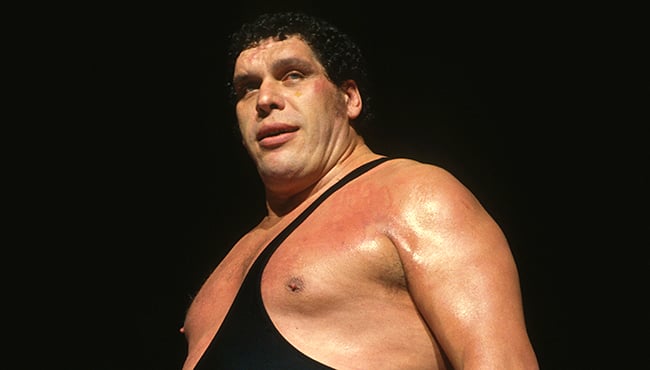
Andre’s personal life was complex and often marked by distance from his family. He had a daughter, Robin Christensen-Roussimoff, but due to strained relationships and his demanding career, he saw her only a handful of times. Despite this, Andre maintained contact and provided financial support.
In his final year, Andre’s thoughts often turned to his family. He made arrangements in his will to ensure his daughter would inherit his estate and have control over his image and likeness. This gesture reflected a softer, more private side of the giant, contrasting with his public persona.
The Tragic End and Lasting Legacy
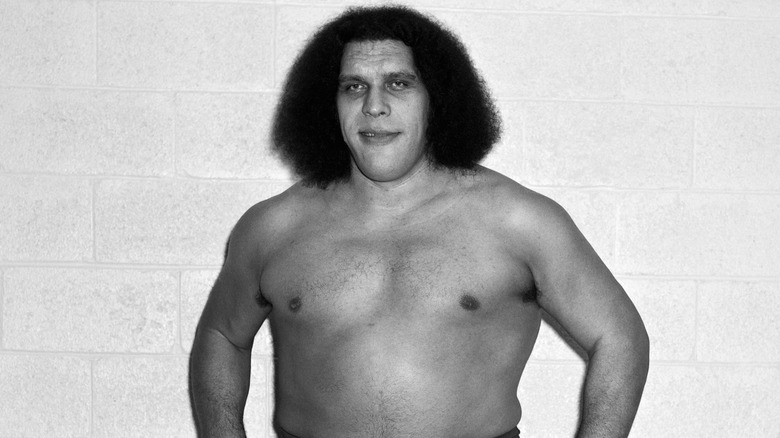
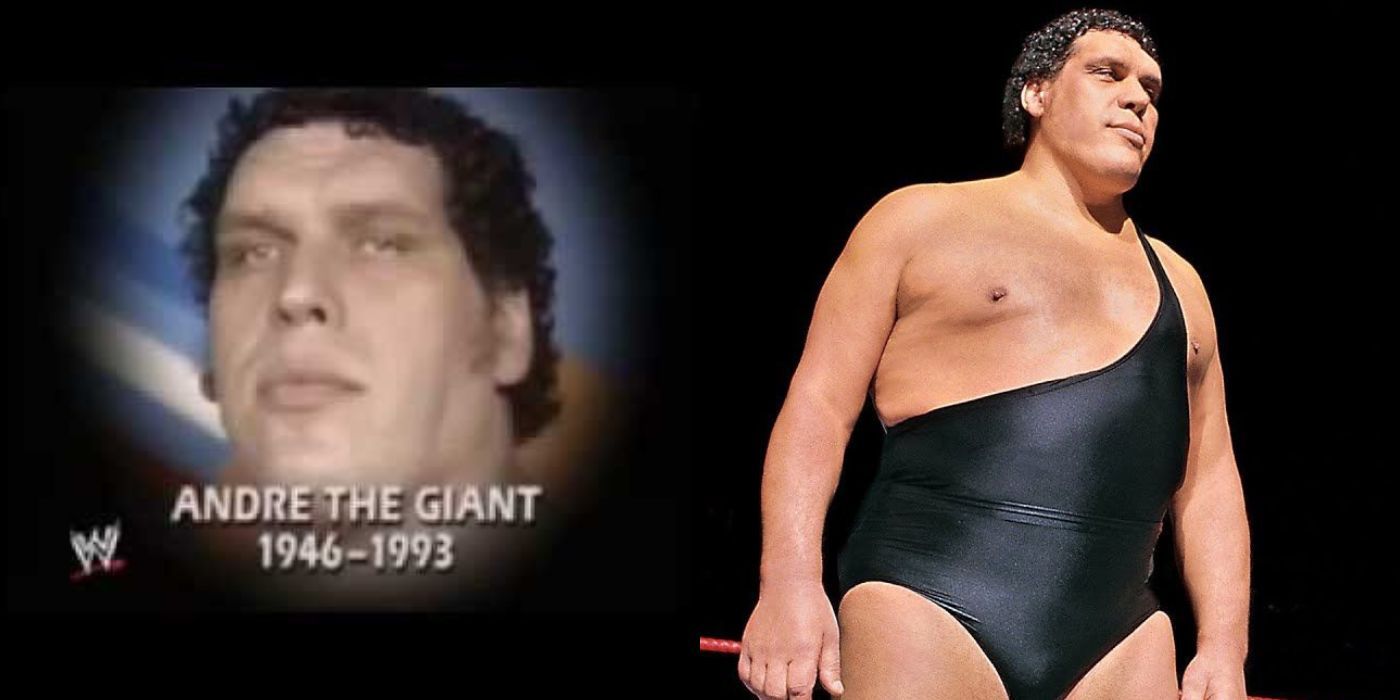
On January 28, 1993, Andre the Giant passed away peacefully in his sleep from congestive heart failure, a complication likely linked to his untreated acromegaly. He was only 46 years old. His death marked the end of an era in professional wrestling but also sparked the creation of the WWE Hall of Fame, where he was the inaugural inductee.
Andre’s legacy extends beyond wrestling. He is remembered for his role in the beloved film “The Princess Bride,” his influence on pop culture, and the annual Andre the Giant Memorial Battle Royal held at WrestleMania. His life story continues to inspire documentaries, books, and tributes that celebrate both his achievements and the challenges he overcame.
Conclusion
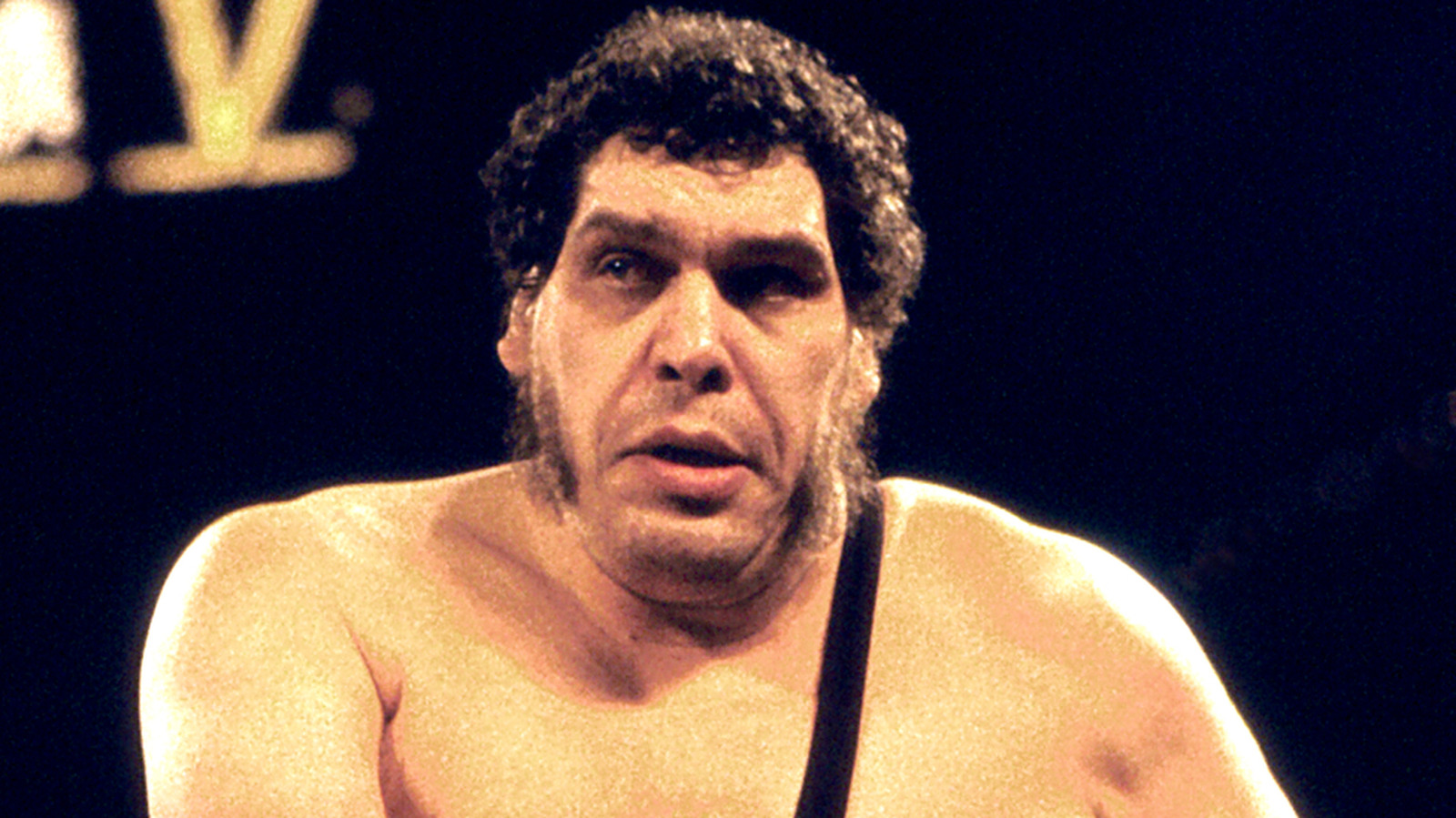
Andre the Giant’s final year was a poignant chapter in the life of a man who lived larger than life itself. Battling chronic pain, health complications, and personal struggles, Andre remained a beloved figure in wrestling and entertainment until the very end. His story is a testament to resilience, dedication, and the human spirit behind the legend. To honor Andre’s memory and learn more about wrestling history, explore WWE’s official archives and documentaries celebrating his life and career.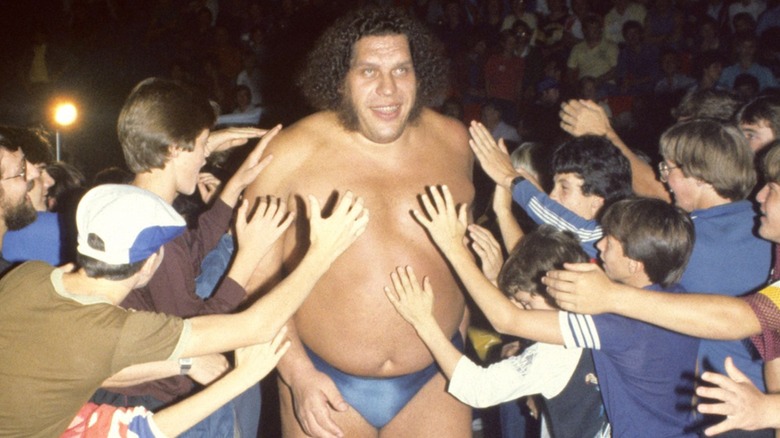
Leave a Reply