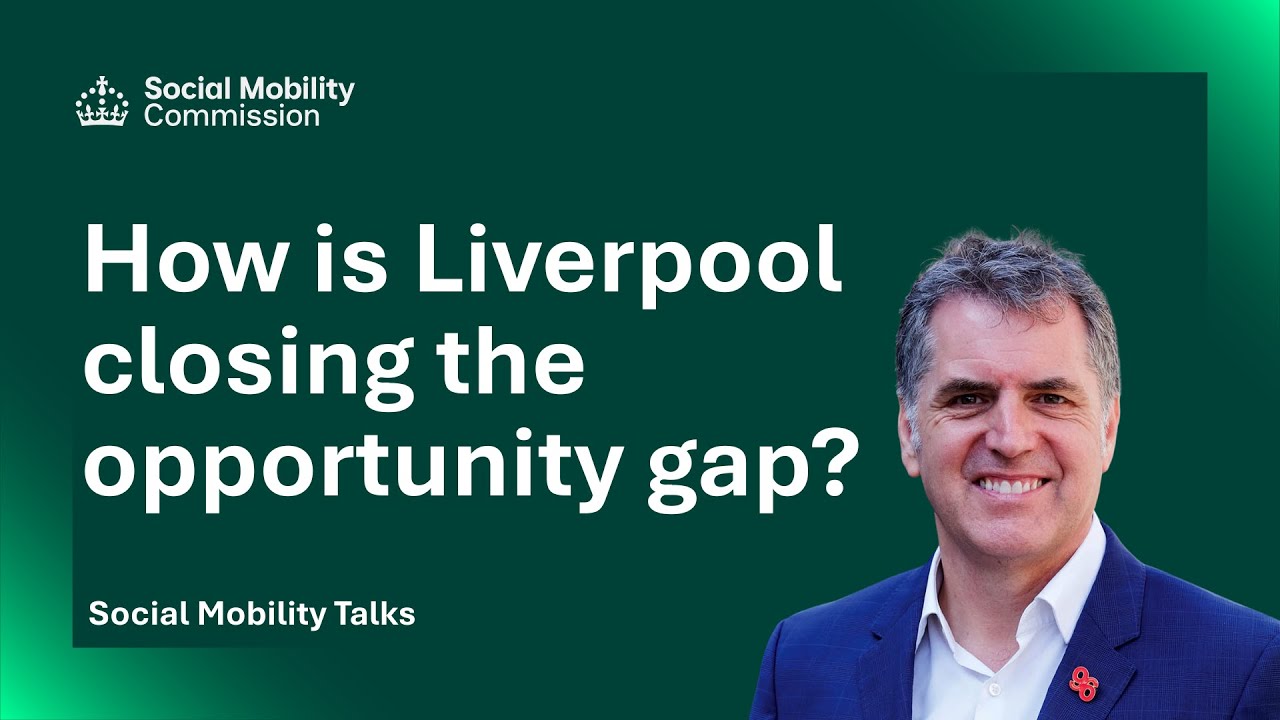
Steve Rotheram Announces He Will Decline Future Opportunities to Work with the BBC
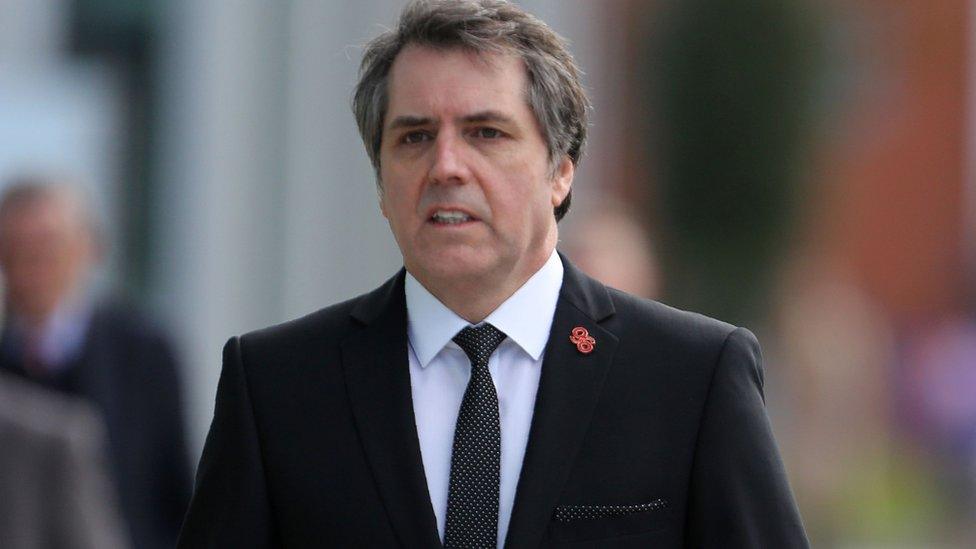
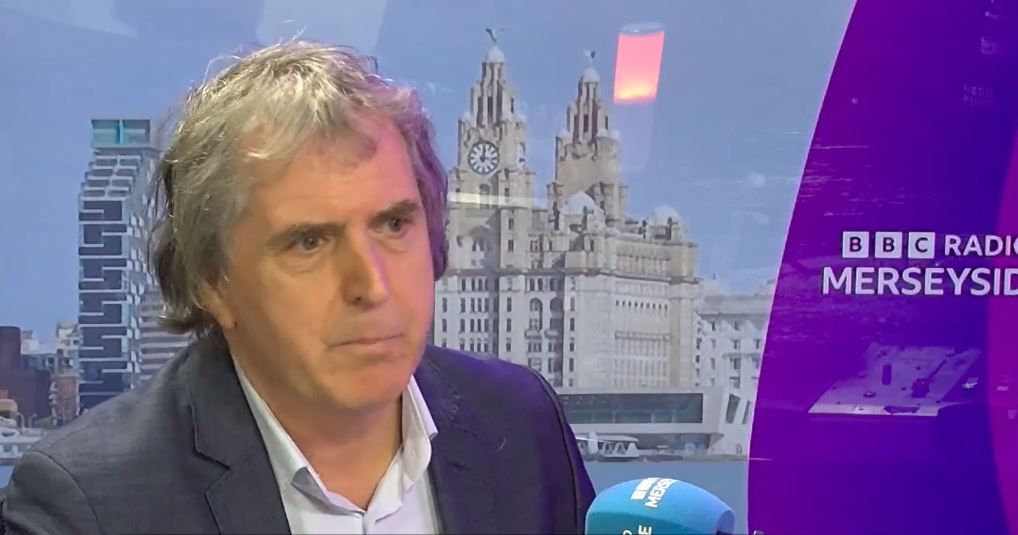
Steve Rotheram, the Metro Mayor of Liverpool City Region, recently made headlines by openly expressing his frustration with the BBC. During a recent public appearance, Rotheram revealed that he would be turning down any future opportunities to collaborate with the broadcaster. This unexpected announcement has sparked widespread curiosity about the reasons behind his decision and what implications it might have for future media partnerships.
Why Steve Rotheram Is Frustrated with the BBC
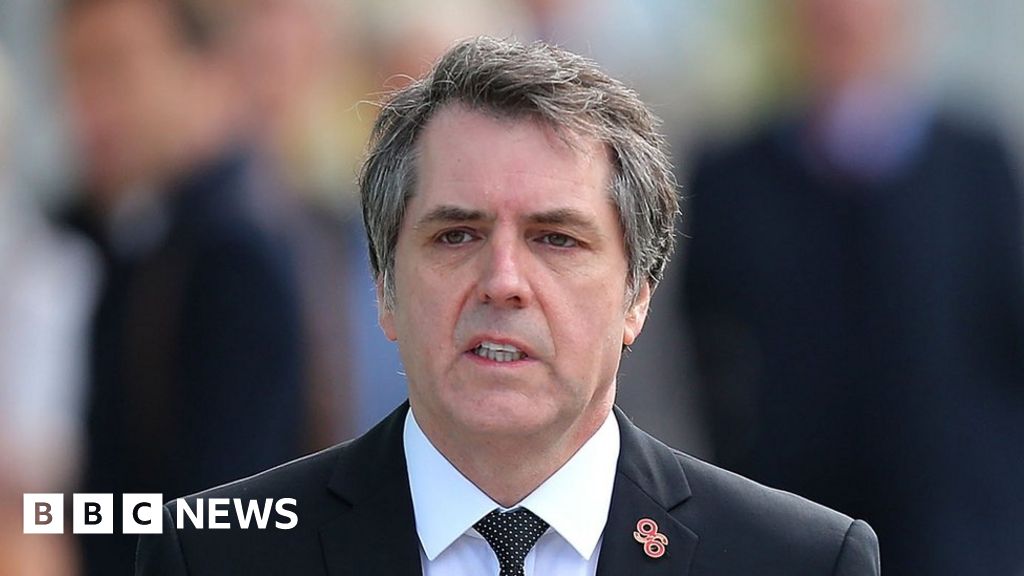
Steve Rotheram’s decision to distance himself from the BBC did not come lightly. The Metro Mayor, known for his candid communication style, highlighted several key issues that led to his growing dissatisfaction. Central to his frustration is the perceived lack of balanced coverage and the broadcaster’s approach to representing regional voices, particularly those from Liverpool and the broader North West.
Rotheram criticized the BBC for what he described as a narrow editorial focus that often sidelines the concerns and achievements of northern communities. He argued that this imbalance undermines efforts to promote regional development and social cohesion. Moreover, he expressed disappointment over missed opportunities for constructive dialogue and collaboration that could have benefited both the public and the broadcaster.
This sentiment resonates with a broader debate about media representation in the UK, where many regional leaders and communities feel underrepresented in national narratives. Rotheram’s stance underscores the importance of inclusive media coverage that reflects the diverse experiences and priorities of all regions.
The Impact of Rotheram’s Decision on Media and Public Relations
Steve Rotheram’s announcement is significant not only because of his political stature but also due to the potential ripple effects on media relations in the UK. His refusal to engage with the BBC could influence other regional leaders to reconsider their media partnerships, especially if they share similar concerns about representation and editorial fairness.
For the BBC, this development serves as a prompt to reassess its approach to regional coverage and engagement. Maintaining strong relationships with local leaders is crucial for the broadcaster’s credibility and relevance across the country. The BBC’s ability to adapt and address these criticisms will likely determine how it navigates future collaborations with public figures like Rotheram.
From a public relations perspective, Rotheram’s move highlights the growing demand for transparency and accountability in media interactions. It also emphasizes the need for media outlets to foster trust and mutual respect with the communities they serve.
What This Means for Future Collaborations Between Regional Leaders and the BBC
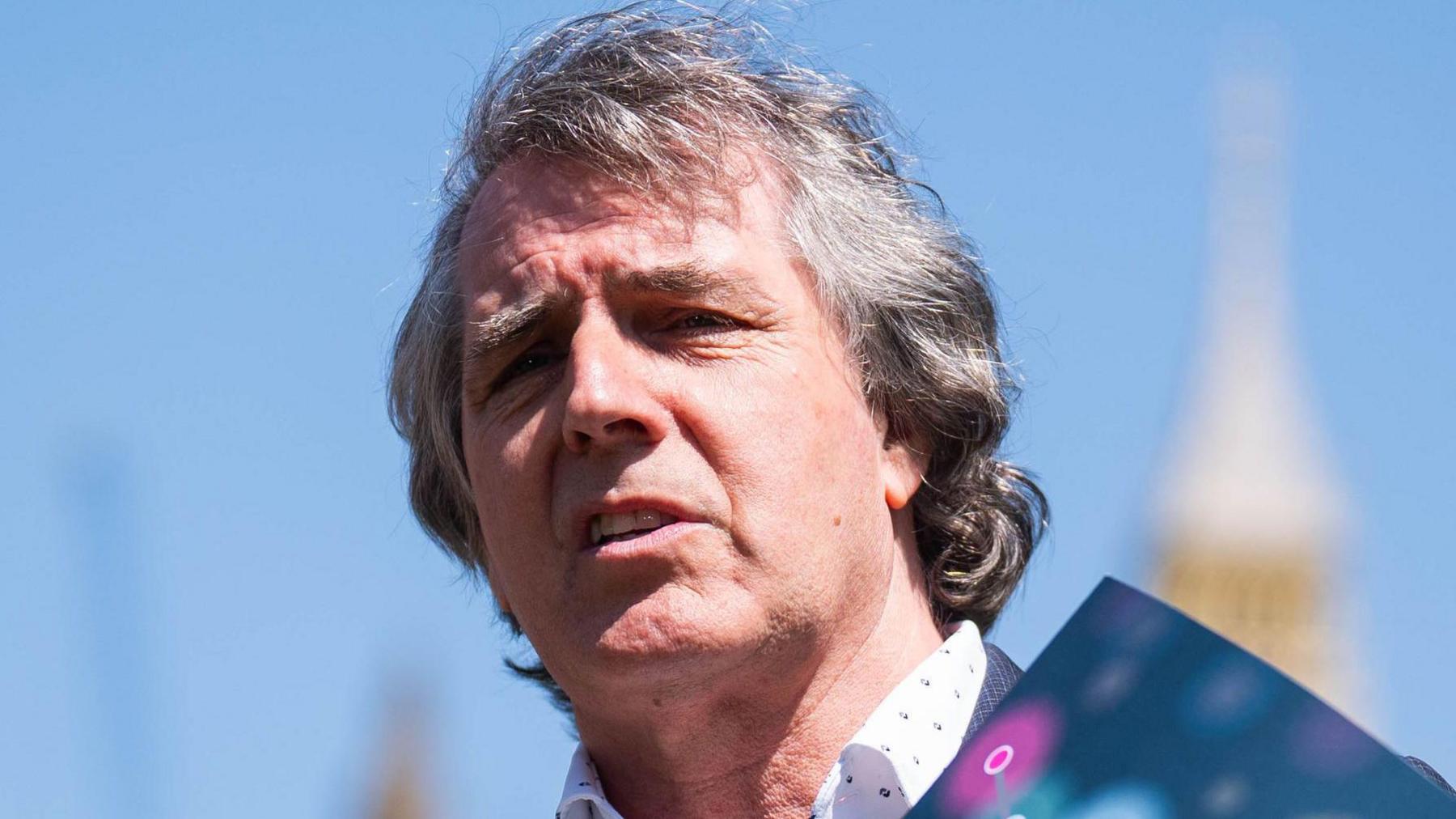
The decision by Steve Rotheram to decline future opportunities with the BBC raises important questions about the future of media partnerships in the UK. Regional leaders play a vital role in shaping public discourse and policy, and their voices are essential for balanced and comprehensive news coverage.
Going forward, the BBC may need to implement more inclusive editorial policies and actively seek input from regional representatives to rebuild trust. This could involve creating dedicated platforms or programs that focus on regional issues, ensuring that diverse perspectives are adequately represented.
For regional leaders, Rotheram’s example serves as a reminder of the power they hold in influencing media narratives. By advocating for fair representation and holding media organizations accountable, they can help foster a more equitable and informed public dialogue.
Steps the BBC Could Take to Address Regional Concerns
To mend its relationship with regional figures like Steve Rotheram, the BBC might consider several strategic actions:
1. **Enhancing Regional Coverage:** Increasing the quantity and quality of content that highlights regional stories, challenges, and successes.
2. **Engaging with Local Leaders:** Establishing regular forums or advisory panels that include regional politicians and community representatives.
3. **Transparency in Editorial Decisions:** Providing clearer explanations about how editorial choices are made, particularly regarding regional content.
4. **Investing in Local Journalism:** Supporting local newsrooms and journalists to ensure authentic regional voices are heard.
5. **Feedback Mechanisms:** Creating accessible channels for viewers and leaders to provide feedback and raise concerns.
By adopting these measures, the BBC can work towards rebuilding trust and fostering stronger collaborations with regional stakeholders.
Conclusion
Steve Rotheram’s public declaration to turn down future opportunities with the BBC highlights significant challenges in media representation and regional engagement. His frustration serves as a call to action for broadcasters to prioritize inclusivity and fairness in their coverage. For regional leaders and media organizations alike, this moment underscores the importance of open dialogue and mutual respect.
If you want to stay informed about the evolving relationship between regional leaders and major media outlets, subscribe to our newsletter for the latest updates and expert insights.

Leave a Reply