Nick Reiner Seeks $1.5 Million Inheritance Amid Murder Trial Controversy
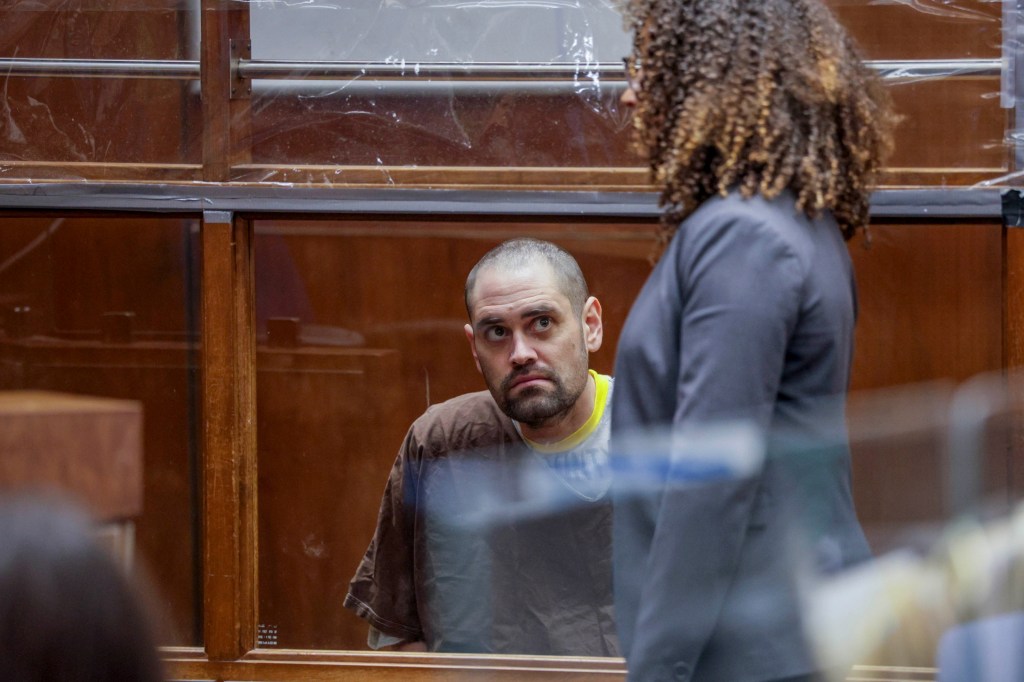
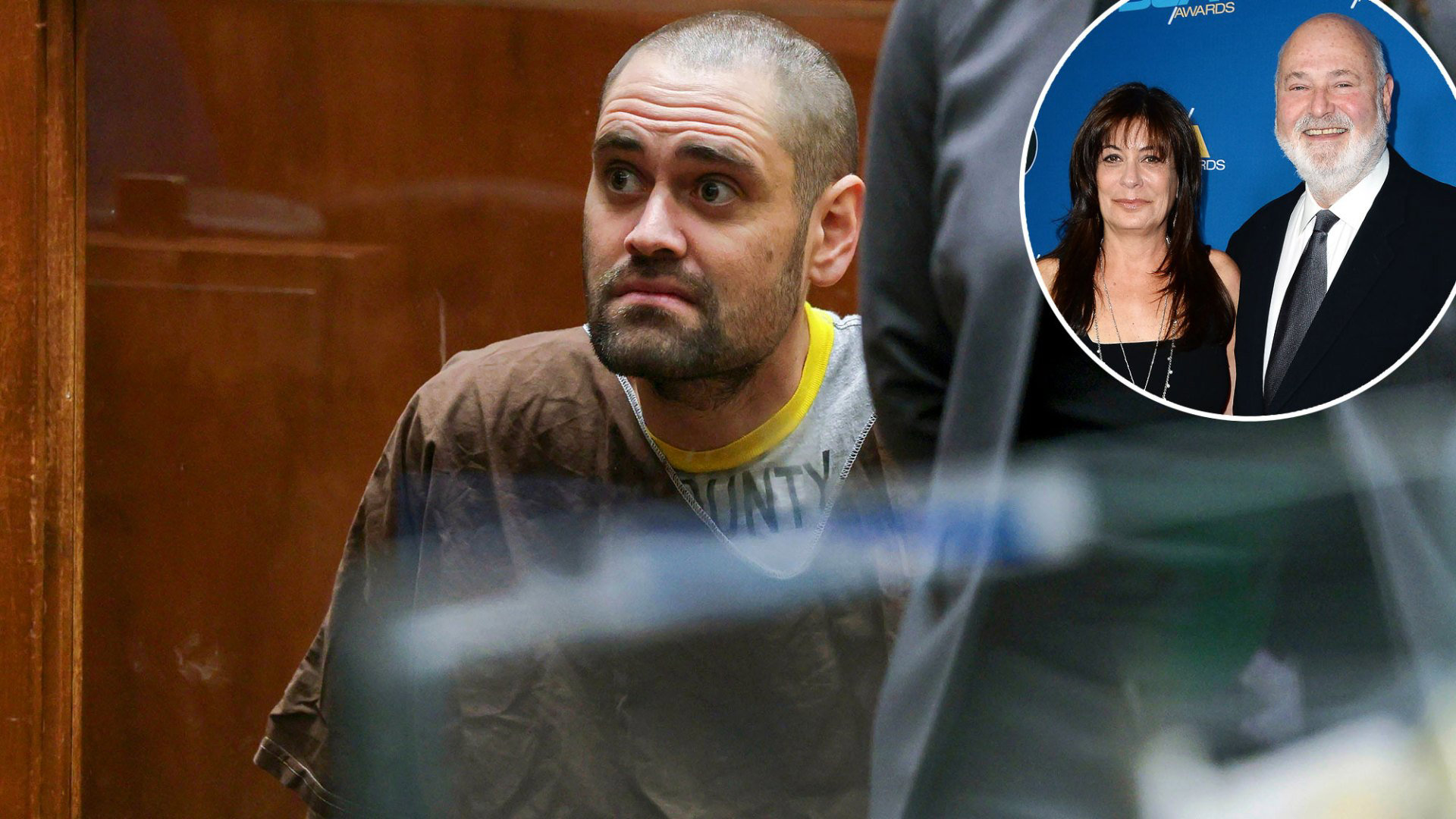
Nick Reiner, currently awaiting trial on charges of murdering his parents, Rob and Michele Reiner, has stirred a storm of public outrage by petitioning for access to a $1.5 million inheritance fund left by his late parents. Despite facing serious allegations, Reiner insists that the funds are crucial to mounting a robust legal defense that might overturn the case against him. This unprecedented request has captivated media attention and sparked heated debates about justice, family loyalty, and legal ethics.
The $1.5 Million Inheritance Controversy
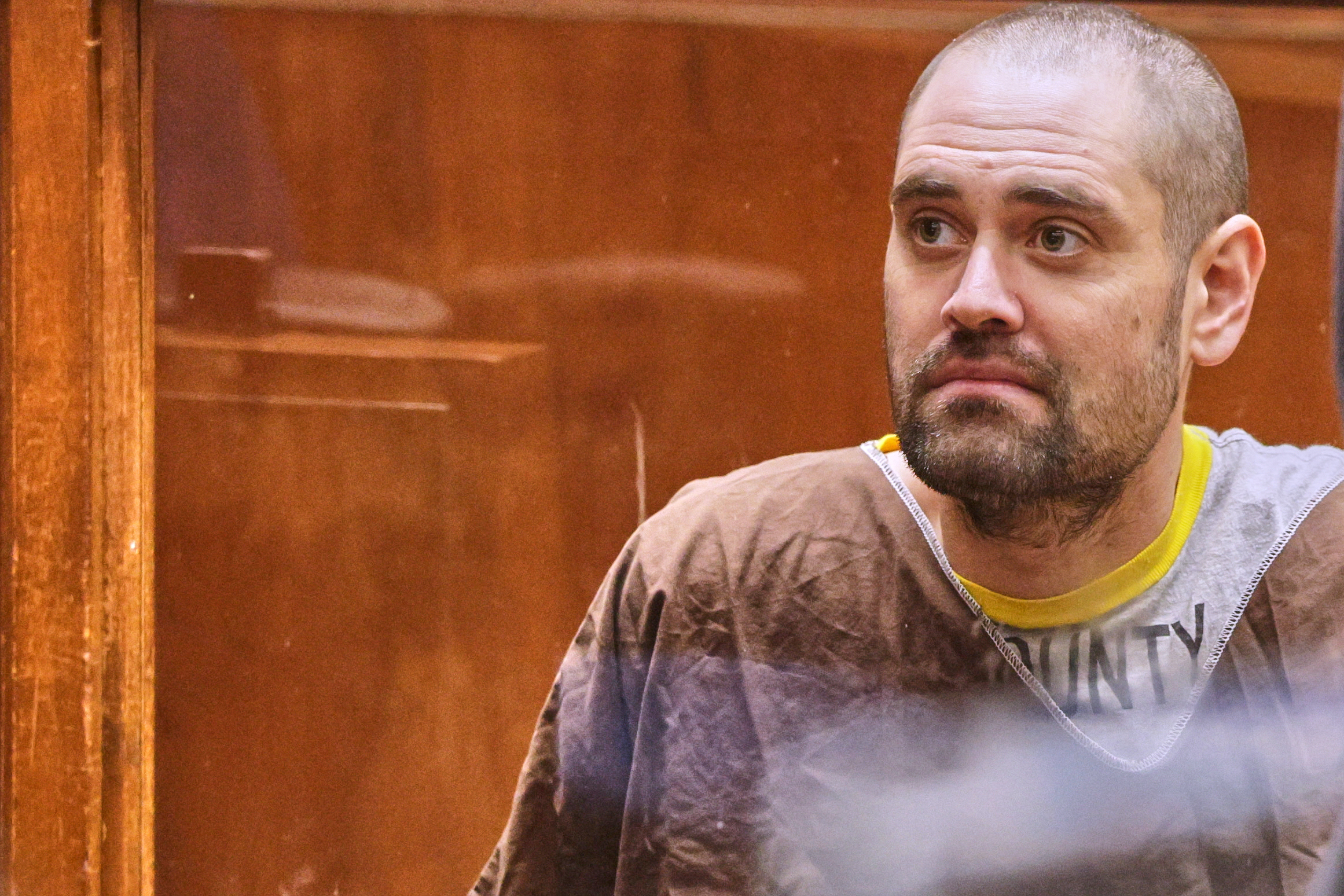
Nick Reiner’s demand for access to the $1.5 million trust fund has become a focal point in the ongoing legal saga. According to court documents, the trust was established to release half of the inheritance to Nick when he turned 30 in 2023, with the remaining half scheduled for release at age 35. However, the trustee has reportedly withheld the funds, citing concerns about Nick’s competence to manage the trust, especially given his current incarceration and diagnosis of schizophrenia.
Reiner’s legal team argues that these concerns are unsubstantiated and that the trustee is overstepping their authority. The trust, described as irrevocable, does not allow the trustee to withhold funds based on subjective judgments about Nick’s ability to manage the inheritance. Instead, the trustee may only modify the distribution method if a beneficiary is legally declared incompetent, which has not been the case for Nick.
The petition highlights that Nick’s access to the funds is non-discretionary and essential for covering legal fees and basic necessities while incarcerated. His attorneys emphasize that denying access to the trust money is an abuse of discretion, especially since no judicial ruling has declared Nick incompetent.
Legal Implications and Public Reaction
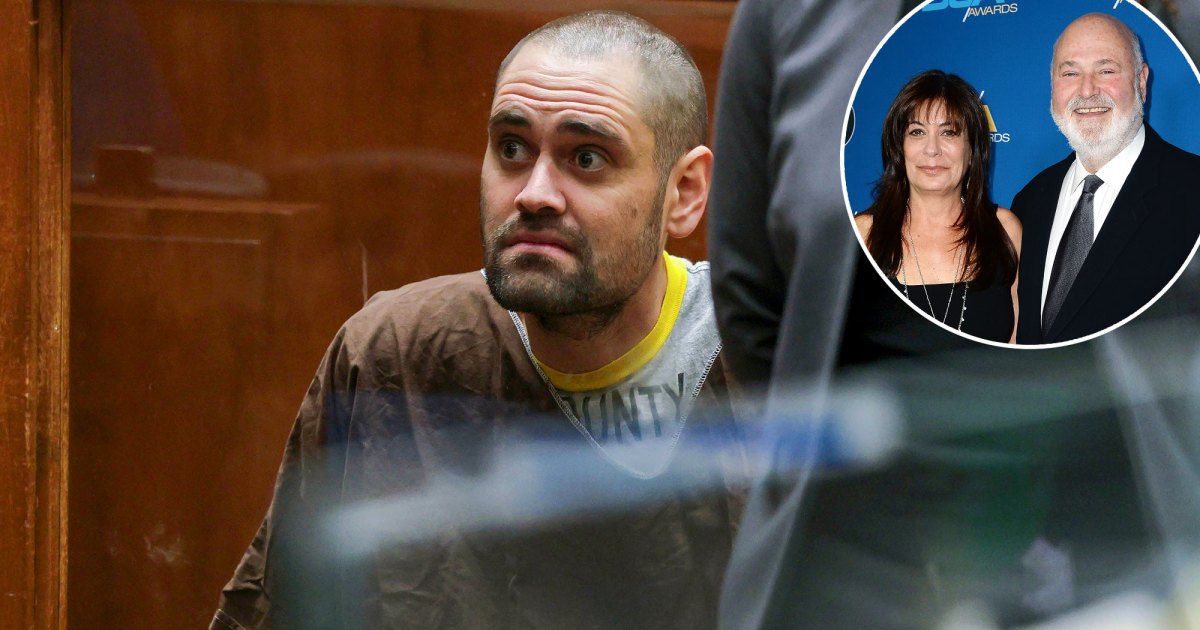
The request to access the inheritance fund amid murder charges has ignited a firestorm of public debate. Many view Nick’s move as an attempt to leverage his parents’ estate to finance a legal strategy that could challenge the prosecution’s case. His legal team has hinted that the funds would be used to develop a defense that might dramatically alter public perception of the case, stating, “If it works, people will have to see this story in a completely different way.”
Critics argue that it is morally questionable for someone accused of such a heinous crime to benefit financially from the estate of the victims. Supporters, however, stress the importance of due process and the right to a fair defense, regardless of the charges.
The case has also raised broader questions about the management of trusts and the rights of beneficiaries facing serious legal challenges. The trustee’s refusal to release the funds without clear legal justification has been scrutinized, with some legal experts suggesting that the trustee may be acting beyond their authority.
Background of the Case
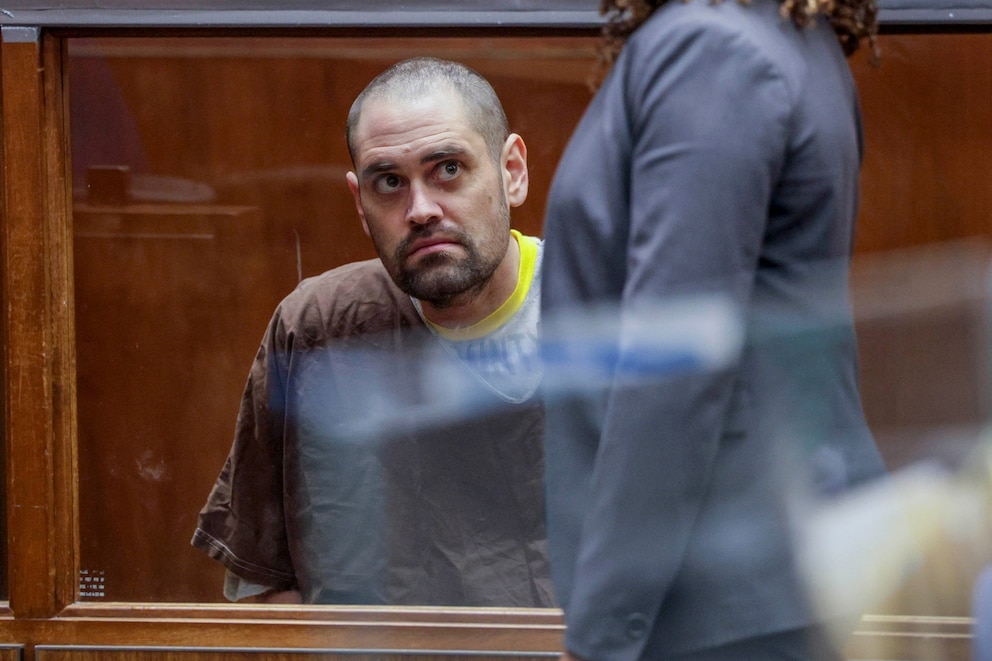
Rob and Michele Reiner were tragically found stabbed to death in their Brentwood, California home last December. Rob Reiner, a celebrated film director, and his wife Michele were both in their seventies. Nick Reiner was arrested shortly after and charged with two counts of first-degree murder. He pleaded not guilty in February and is currently awaiting trial.
The deaths shocked the entertainment community and the public alike, given the prominence of the Reiner family. The brutal nature of the crime and the familial connection have made the case a media sensation.
Nick’s mental health diagnosis has also been a significant aspect of the case. His schizophrenia diagnosis has been cited in legal arguments concerning his competence and the management of his inheritance. Despite this, no court has declared him legally incompetent.
The Role of Legal Representation and Financial Support
Nick’s initial attorney, Alan Jackson, withdrew from the case reportedly due to the unavailability of funds from the trust or other family trusts to cover legal expenses. This development underscores the importance of the inheritance funds in mounting an effective defense.
The petition filed by Nick’s current legal team stresses that the trust money is vital not only for legal fees but also for basic support items during incarceration, such as personal hygiene products and commissary purchases. The inability to access these funds has placed additional strain on Nick’s defense and well-being.
The legal battle over the trust fund is unfolding alongside the murder trial, adding complexity to an already high-profile case. The outcome of the petition could set a precedent for how trusts are managed when beneficiaries face serious criminal charges.
What This Means for the Future of the Case
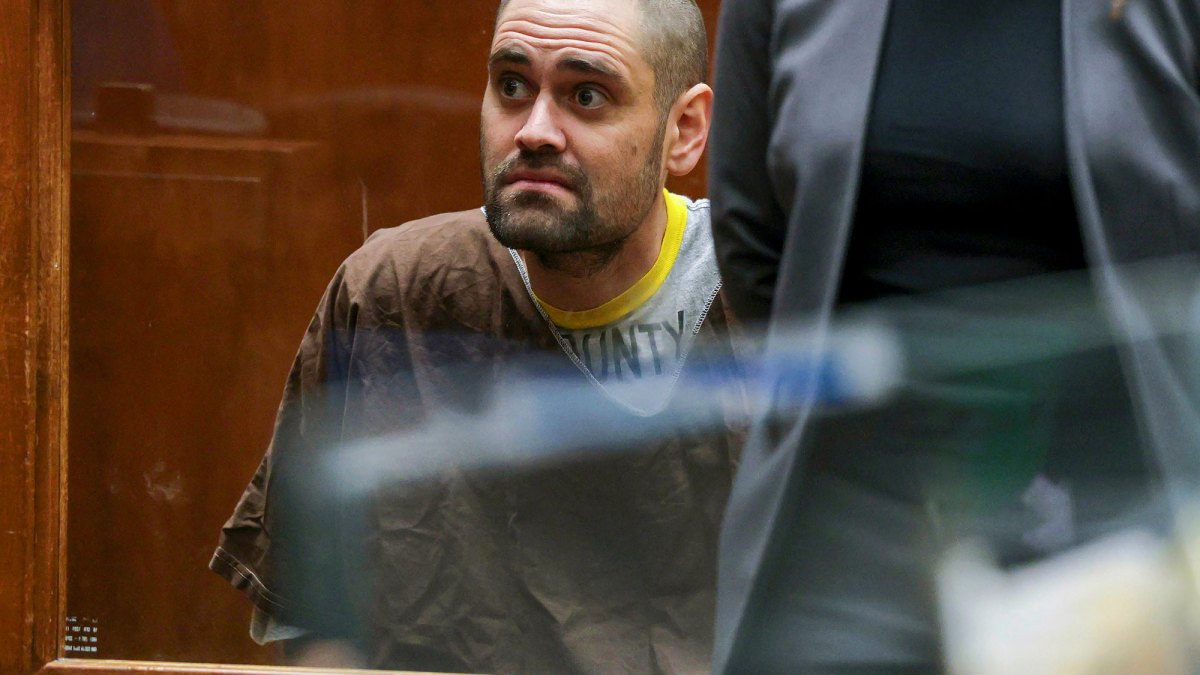
If Nick Reiner succeeds in gaining access to the $1.5 million inheritance, it could significantly impact the trajectory of his defense. The funds would enable him to hire expert witnesses, gather evidence, and potentially develop new legal strategies that might challenge the prosecution’s narrative.
The legal team’s assertion that the defense could “change the way people see this story” suggests that they may have novel approaches or evidence that have yet to be revealed publicly. This possibility keeps the public and media on edge, awaiting further developments.
Conversely, if the trustee’s refusal is upheld, Nick’s defense may be hampered by limited resources, potentially affecting the quality of his legal representation. The court’s decision on this matter will likely influence not only this case but also future cases involving trust funds and criminal defendants.
Public and Media Perspectives
The public reaction has been polarized. Some express outrage that Nick could benefit financially from the estate of the parents he is accused of murdering. Others emphasize the principle of innocent until proven guilty and the right to a fair trial, including adequate legal representation.
Media coverage has been extensive, with many outlets scrutinizing every aspect of the case, from the crime itself to the inheritance dispute. The story has sparked discussions about mental health, legal ethics, and the intersection of family tragedy and justice.
Legal Experts Weigh In
Legal analysts note that the trustee’s role is to act in the best interest of the beneficiary while adhering to the terms of the trust. Without a formal declaration of incompetence, withholding funds could be legally questionable.
Experts also point out that trusts often include provisions for modifying distributions if a beneficiary is incapacitated, but these require clear legal findings. In Nick’s case, the absence of such findings strengthens his claim to the funds.
The case highlights the delicate balance trustees must maintain between protecting assets and respecting beneficiaries’ rights, especially in complex situations involving criminal charges and mental health issues.
Conclusion
Nick Reiner’s pursuit of the $1.5 million inheritance amid his murder trial has thrust a complex legal and ethical dilemma into the spotlight. The outcome of his petition to access the trust funds could influence not only his defense but also broader legal principles regarding trusts and beneficiary rights.
As the case unfolds, it remains critical to follow developments closely and consider the implications for justice and fairness. Whether Nick Reiner will be granted access to the inheritance and how it will affect his trial are questions that continue to captivate public attention.
If you want to stay updated on this evolving story and other high-profile legal battles, subscribe to our newsletter for the latest news and expert analysis.
Leave a Reply