LEE GREENWOOD: Trump Can Help Finish the Fight Frank Sinatra Started
The Ongoing Battle for Fair Music Royalties in America
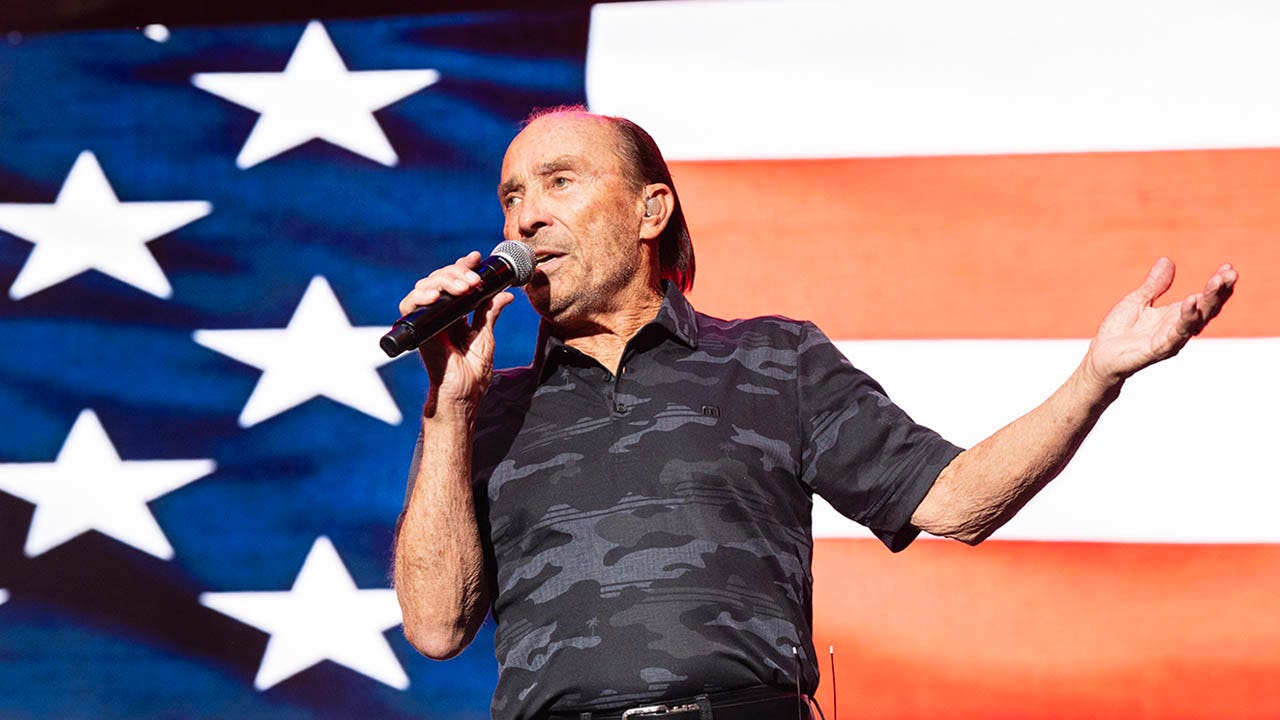
Across the United States, patriotic songs like “God Bless the U.S.A.” resonate deeply with audiences, especially during significant national celebrations. Lee Greenwood, the iconic singer behind this anthem, has performed it countless times, both domestically and internationally for American troops. However, beneath the pride and patriotism lies a troubling reality: musicians like Greenwood and many others receive no compensation when their music is played on traditional AM/FM radio stations.
This issue stems from a loophole in U.S. copyright law that has persisted for nearly a century. While radio stations generate substantial revenue by broadcasting popular songs and selling advertising slots, the artists and session musicians who create the music do not receive royalties from these plays. This loophole is unique to AM/FM radio, as other platforms such as Spotify, SiriusXM, YouTube, and internet radio all pay artists fairly for their work.
The Roots of the Loophole and Its Impact on Musicians
Since the early days of broadcasting, AM/FM radio has operated under a special exemption that allows it to play recorded music without paying performers royalties. This exemption has been maintained largely due to the powerful lobbying efforts of major broadcasting corporations. As a result, while radio companies profit immensely from advertising revenue tied to music broadcasts, the musicians behind those recordings—especially session players, backup singers, and studio artists—are left uncompensated.

Greenwood highlights that this is not merely a personal grievance but a widespread injustice affecting countless working musicians who contribute to the soundtrack of America. Unlike farmers or factory workers who are paid for their products, these artists have been denied fair payment for their creative labor. The radio industry’s claim that airplay serves as free advertising for artists falls short, as it does not justify the complete absence of royalties.
Moreover, this loophole has international repercussions. Because the U.S. does not pay performers for radio plays, other countries with reciprocal royalty agreements with America withhold payments to U.S. artists. This has resulted in hundreds of millions of dollars in lost income annually. The European Union, in particular, has threatened to withhold an additional $287 million in royalties, putting American musicians at further risk.
How the American Music Fairness Act Can Change the Game
To address this longstanding issue, the American Music Fairness Act has been introduced in Congress. This bipartisan legislation, championed by Senator Marsha Blackburn (R-TN) and Congressman Darrell Issa (R-CA), aims to close the loophole by requiring large radio corporations to pay royalties to artists for the use of their recordings. Importantly, the bill is designed to protect small, independent local broadcasters by allowing them to pay a modest fee to continue playing unlimited music.
Passing this bill would not only ensure fair compensation for American musicians but also encourage other countries to honor their royalty commitments. The legislation represents a critical step toward modernizing music rights in a way that reflects the value artists bring to the industry and the economy.
Frank Sinatra’s Legacy and Trump’s Role in the Fight
This fight for fair music royalties is not new. Over 40 years ago, Frank Sinatra, a legendary figure in American music, rallied artists to urge Congress to close the radio loophole. Despite his efforts, the issue remained unresolved for decades. Lee Greenwood is determined to continue Sinatra’s mission and bring it to completion.
Greenwood praises former President Donald Trump for his proven commitment to supporting artists. During his first term, Trump signed the Music Modernization Act, which updated royalty rules for the streaming era, ensuring artists received fair pay from digital platforms. The American Music Fairness Act is seen as the next logical step to finish what was started, extending fair compensation to traditional radio broadcasts.
With Trump’s leadership and influence, Greenwood believes this bill can finally pass, correcting a century-old injustice and honoring the hard work of musicians nationwide. This effort aligns with America’s core values of fairness and rewarding labor, making it a fitting tribute as the nation celebrates its 250th anniversary.
Conclusion
Lee Greenwood’s call to action highlights a critical issue that affects countless musicians and the cultural fabric of America. Closing the AM/FM radio loophole through the American Music Fairness Act will ensure that artists receive the compensation they deserve for their work. With the support of leaders like Donald Trump, this fight can reach a successful conclusion, fulfilling the legacy that Frank Sinatra began decades ago.
If you believe in fair pay for artists and want to support this important cause, stay informed about the American Music Fairness Act and encourage your representatives to back this vital legislation. Together, we can help finish the fight and ensure that the voices behind America’s soundtrack are heard—and paid.
Leave a Reply