‘The View’ Turned Down Mamdani Request to Bring on Israel-Hating Candidates Over Fear of FCC: Report
Why ‘The View’ Rejected Mamdani’s Request Amid FCC Concerns
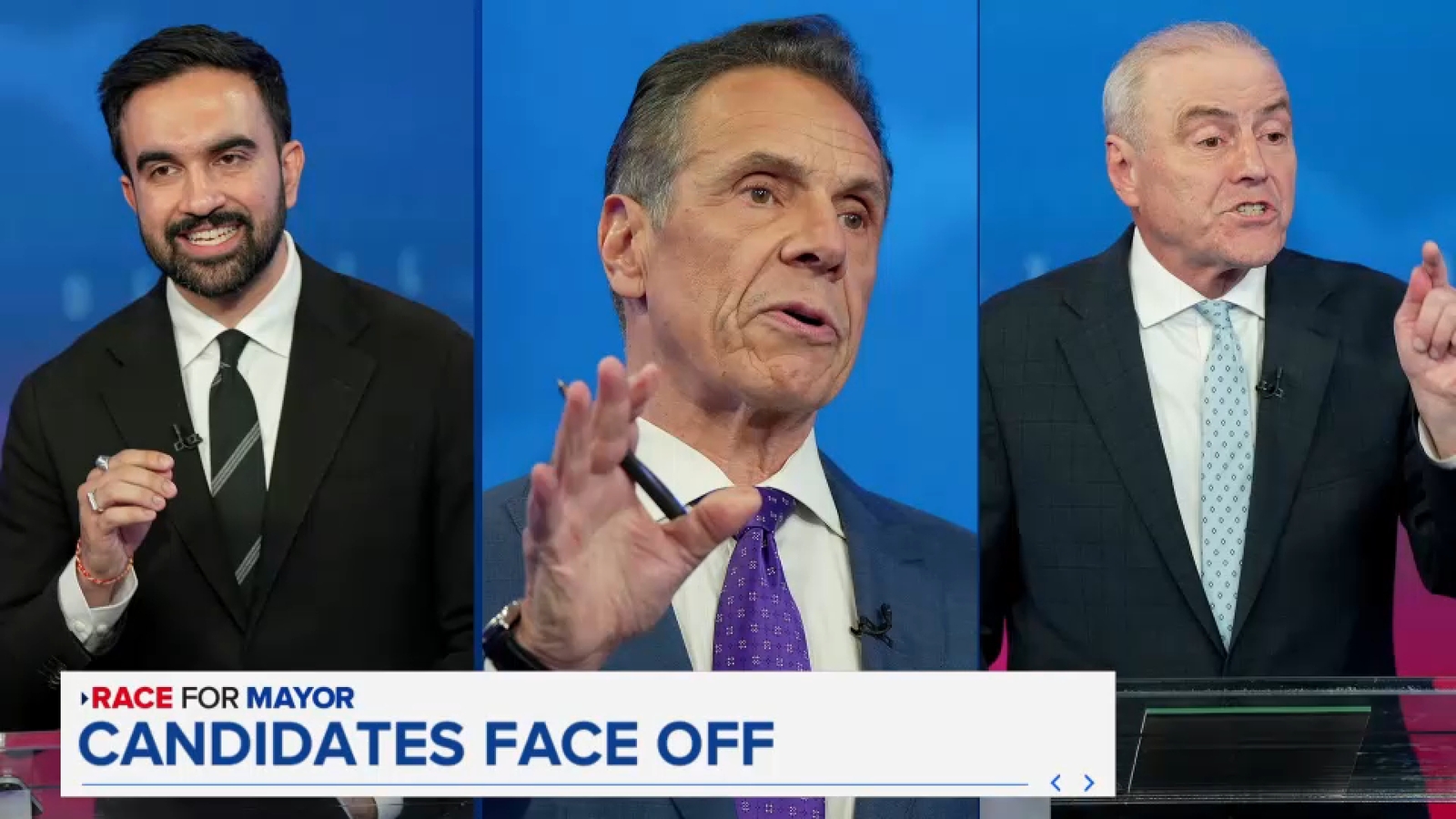
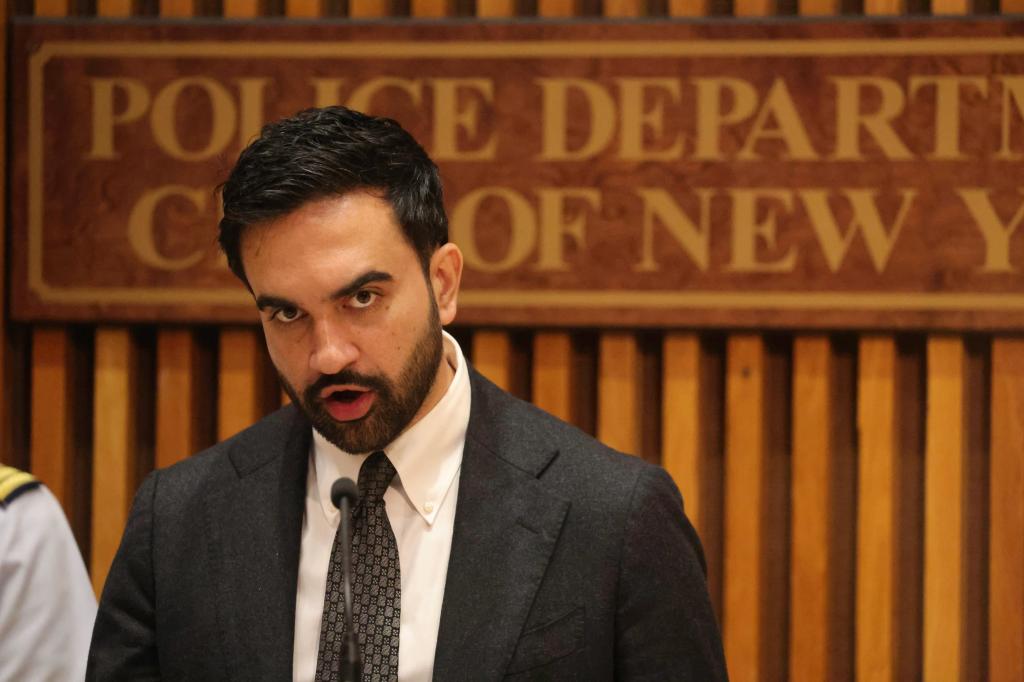
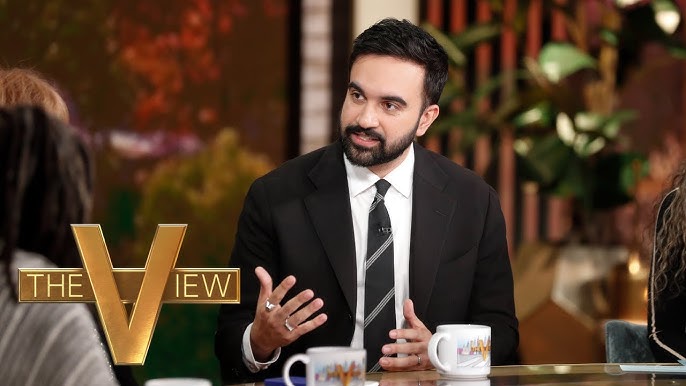
ABC’s popular daytime talk show, The View, recently declined a request from New York City Mayor Zohran Mamdani to host two Democratic congressional candidates known for their strong anti-Israel stances. According to a report by Semafor, the decision was influenced by the show’s growing apprehension about a Federal Communications Commission (FCC) investigation into its political guest bookings. This investigation centers on whether the program is complying with the FCC’s equal-time rule, which mandates broadcasters to provide comparable airtime to opposing political candidates.
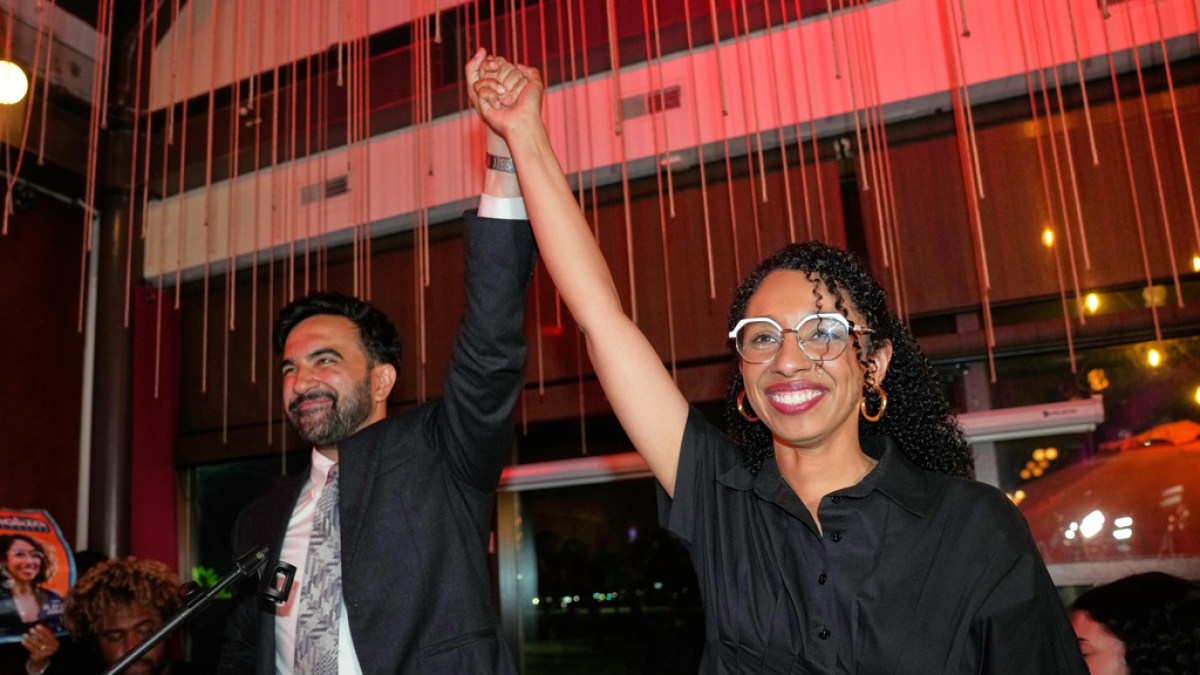
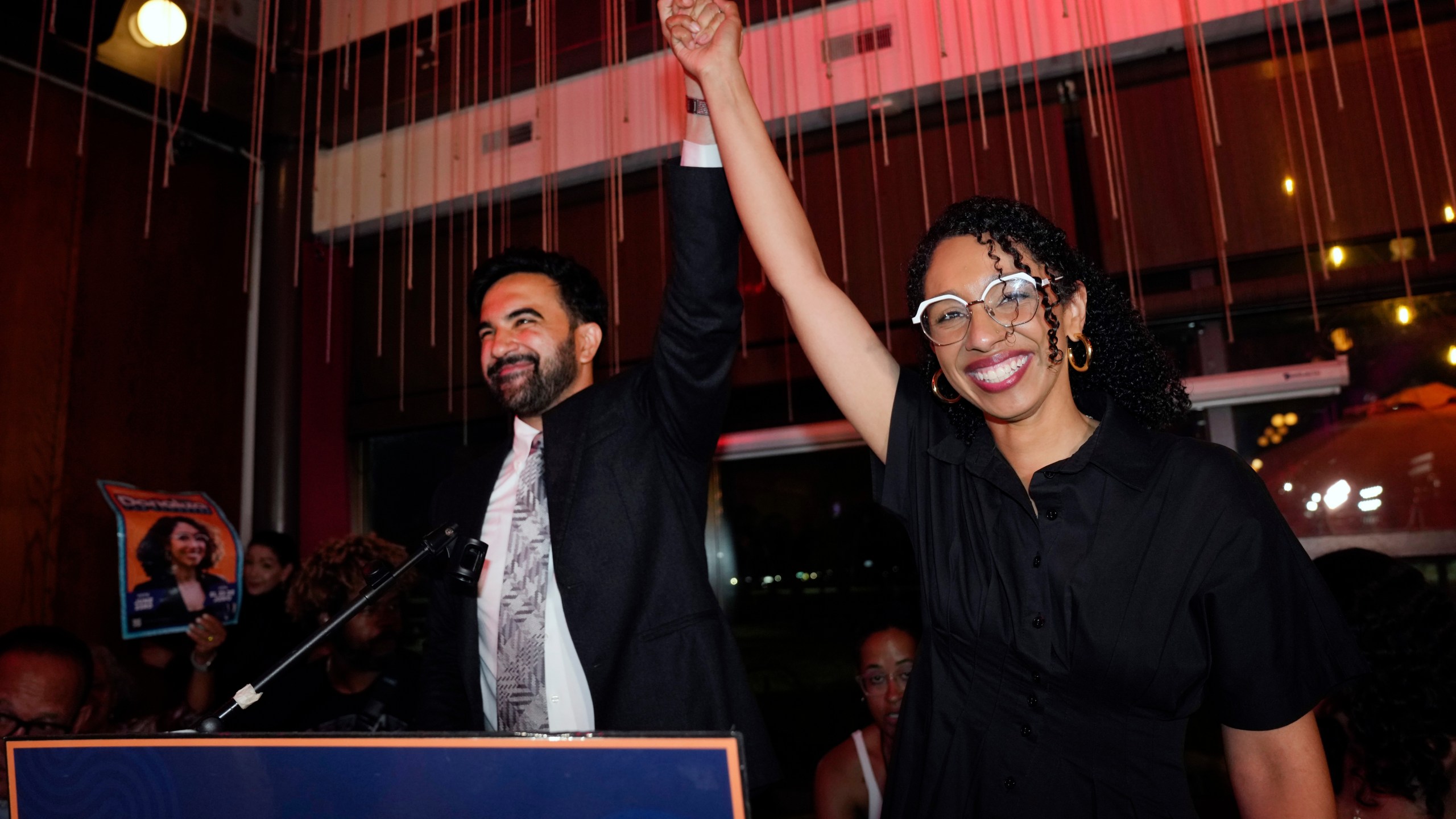
Mamdani’s representatives had proposed featuring the mayor alongside Democratic socialist candidates Darializa Avila Chevalier and Claire Valdez. However, The View indicated it could not accommodate the two hopefuls while the FCC inquiry remains unresolved. This cautious approach underscores how regulatory pressures are shaping programming decisions on one of television’s most prominent political platforms.
The Political Context and Strained Relations
The reported refusal to book Mamdani’s candidates comes amid increasingly tense relations between the mayor’s political circle and The View. Some of Mamdani’s allies expressed frustration over the show’s recent political coverage, particularly comments made by co-host Sara Haines. During a broadcast, Haines labeled Avila Chevalier an antisemite, a remark that sparked controversy and reportedly contributed to the strained dynamics.
An aide to Mamdani reportedly warned ABC executives that such comments could jeopardize future appearances by the mayor and other democratic socialist candidates on the program. This tension highlights the delicate balance talk shows must maintain when addressing politically charged topics, especially when guests hold polarizing views.
Impact of the FCC Investigation on Political Bookings
The FCC inquiry was initiated by Chairman Brendan Carr following The View’s February interview with Texas Senate candidate James Talarico. Carr argued that the appearance might have triggered the equal-time rule, which requires broadcasters to offer comparable airtime to rival candidates for the same office. ABC has contested this interpretation, emphasizing that The View is recognized as a bona fide news interview program exempt from such requirements.
Despite the absence of formal enforcement actions, the investigation has already influenced the show’s booking practices. Since the inquiry began, The View has reportedly scaled back appearances by candidates running in competitive races, opting instead to feature politicians not facing contested elections. For example, Vice President JD Vance and Senator Chris Murphy have appeared on the show despite their political status, as they do not currently face primary challengers.
This cautious programming strategy reflects the broader impact of regulatory scrutiny on media outlets, which must navigate complex legal frameworks while maintaining editorial independence.
Profiles of the Declined Candidates
Darializa Avila Chevalier, one of the candidates whose appearance was declined, is known for her virulent anti-Israel stance and advocacy for abolishing prisons. She recently unseated five-term Representative Adriano Espaillat in Manhattan’s 13th Congressional District. Claire Valdez, the other candidate, secured the Democratic nomination in Queens’ 7th District. Both candidates represent a growing faction of democratic socialists with progressive platforms that have sparked debate within and beyond their party.
Their exclusion from The View not only reflects the show’s cautious approach amid the FCC probe but also raises questions about the representation of diverse political voices on mainstream media platforms.
What This Means for Political Discourse on Mainstream Television
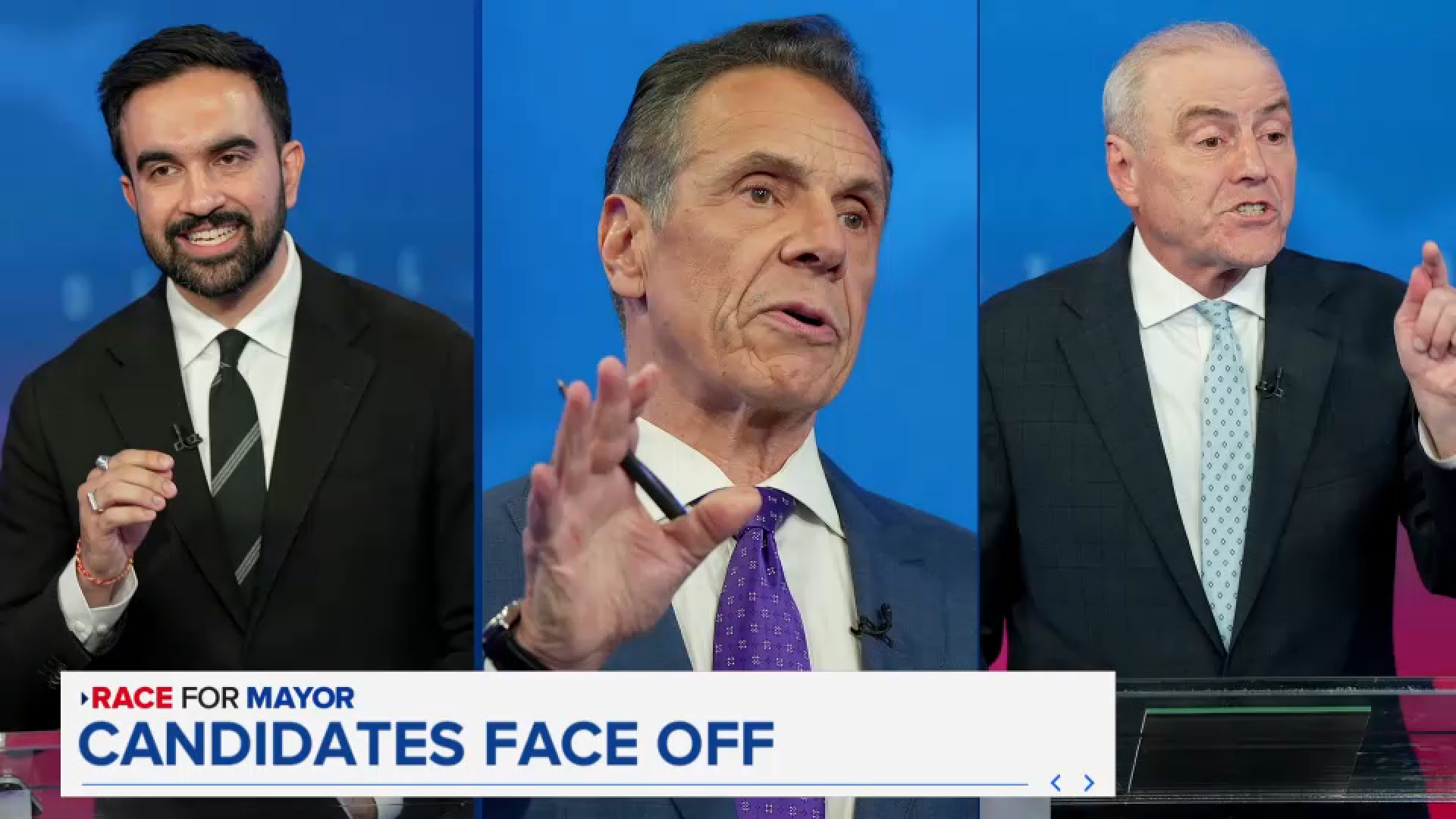
The decision by The View to turn down Mamdani’s request amid FCC fears signals a significant shift in how political content is curated on daytime television. As regulatory bodies like the FCC intensify scrutiny over broadcast fairness and equal-time rules, media outlets are increasingly wary of hosting controversial political figures, especially those involved in competitive races.
This trend could lead to a narrowing of political perspectives presented to the public, potentially limiting exposure to emerging voices and alternative viewpoints. It also highlights the tension between regulatory compliance and the media’s role in fostering open political dialogue.
For politicians and activists, this environment demands strategic navigation of media opportunities, balancing the desire for visibility with the realities of broadcast regulations.
The Broader Implications for Media and Politics
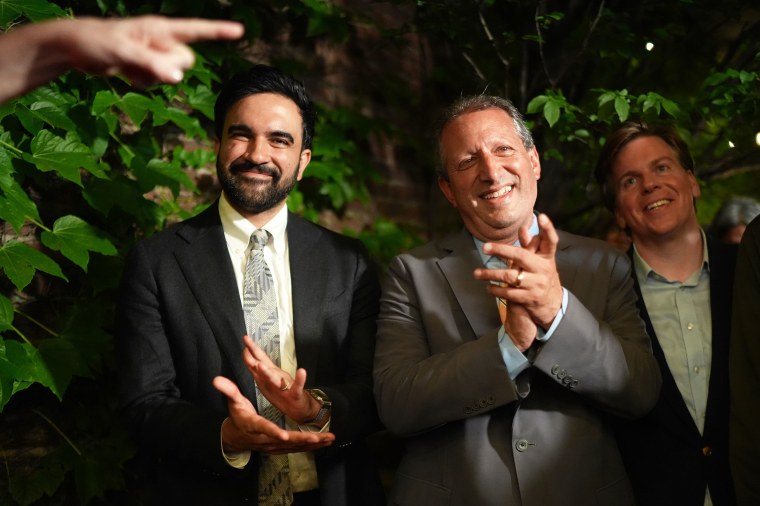
The ongoing FCC investigation into The View serves as a case study in the evolving relationship between media, politics, and regulatory oversight. While the equal-time rule aims to ensure fairness in political coverage, its application to talk shows that blend news and entertainment remains contentious.
ABC’s defense of The View as a bona fide news interview program underscores the complexity of categorizing modern media formats. The outcome of this inquiry could set important precedents for how political content is managed on similar platforms nationwide.
Moreover, the situation illustrates the challenges faced by media outlets in balancing editorial freedom with legal obligations, especially in an era of heightened political polarization and regulatory vigilance.
Conclusion
In summary, The View’s refusal to book New York City Mayor Zohran Mamdani’s preferred candidates due to FCC concerns highlights the growing impact of federal regulatory scrutiny on political programming. This development underscores the delicate balance between providing diverse political perspectives and adhering to broadcast regulations designed to promote fairness. As the FCC’s investigation unfolds, media outlets and political figures alike will need to adapt to an increasingly complex landscape.
If you want to stay informed about how regulatory actions are shaping political discourse on television, keep following our updates for the latest insights and analysis.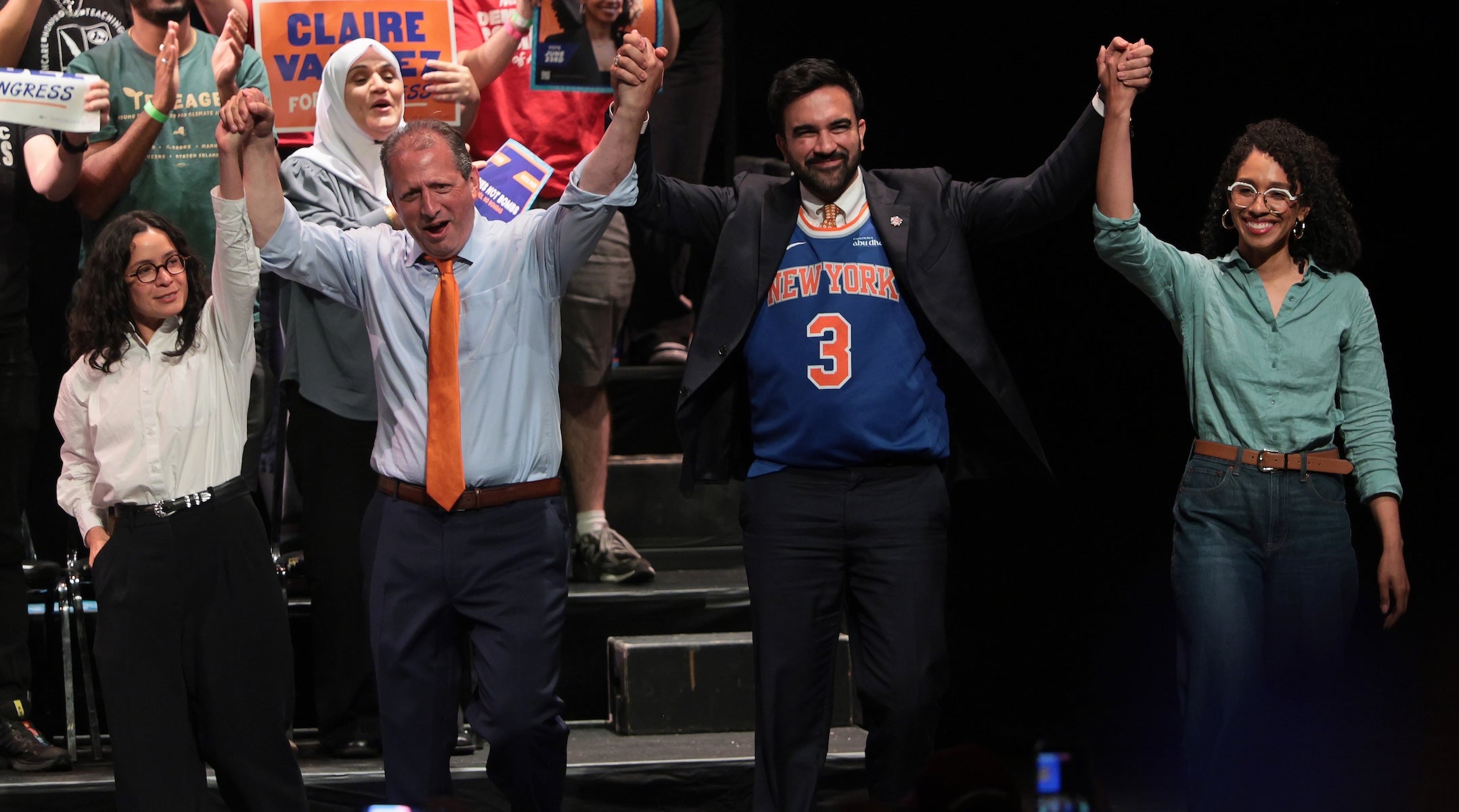
Leave a Reply