ABC Fires Back at FCC Investigation of ‘The View’ in New Comments Calling It a First Amendment Violation
ABC Challenges FCC’s Probe into ‘The View’ as a First Amendment Violation
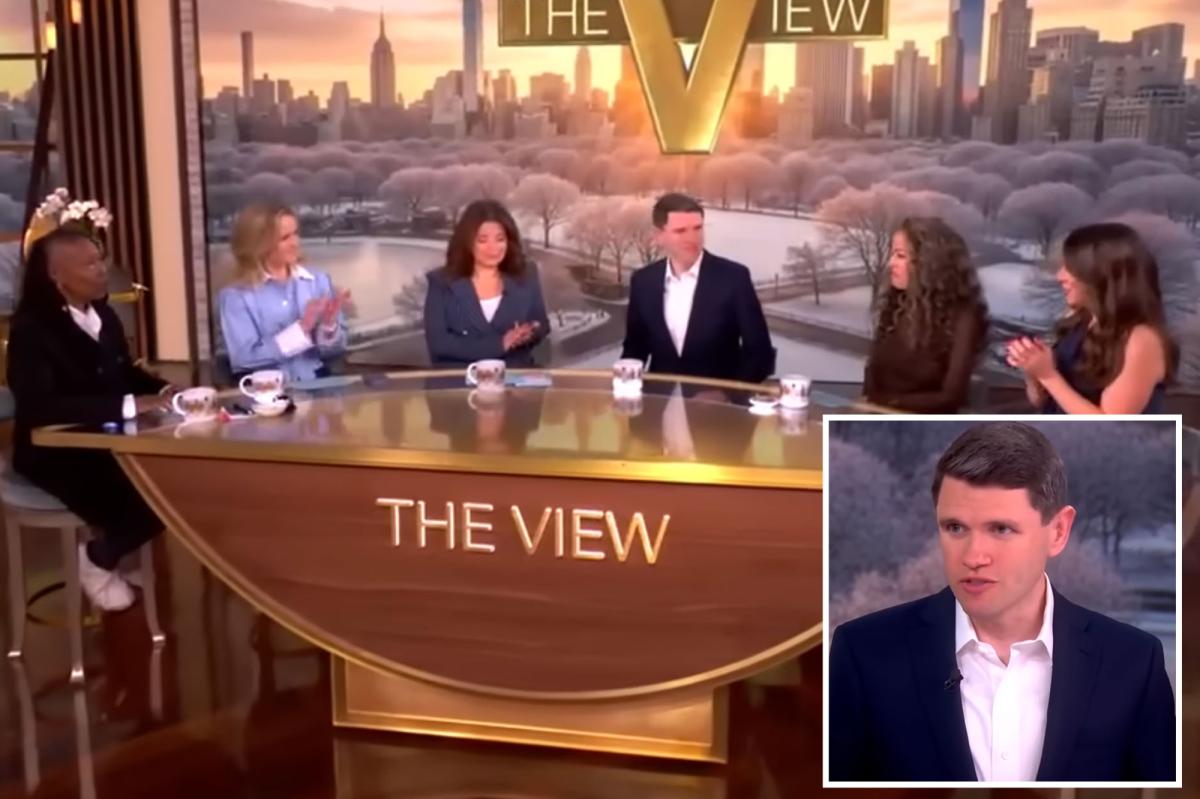
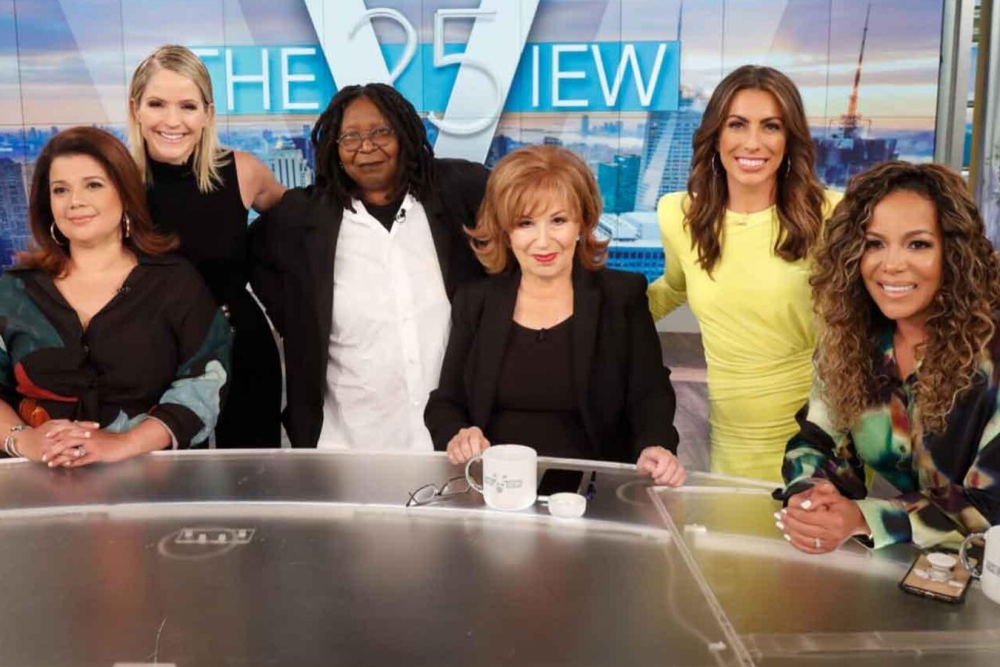
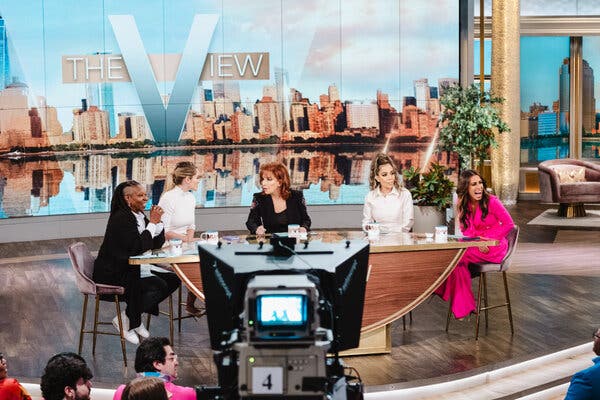
ABC has intensified its defense of the daytime talk show “The View” amid an ongoing Federal Communications Commission (FCC) investigation. The Disney-owned network submitted new comments to the FCC, reinforcing its stance that the agency’s scrutiny constitutes a violation of the First Amendment. This latest response follows a petition ABC initially filed in May, seeking official recognition of “The View” as a bona fide news program.
Since the petition was filed, it has attracted over 77,000 public comments, many expressing concern about potential government overreach and censorship. ABC’s comments highlight a critical constitutional issue: the government should not interfere with editorial decisions made by broadcasters. The network argues that the FCC’s attempt to determine which programs qualify as legitimate news and which do not is tantamount to the government “sitting in an editor’s chair,” a role the First Amendment explicitly prohibits.
ABC’s filing states, “The commenters are right to be concerned. The First Amendment does not permit the government to sit in an editor’s chair. Yet that is the seat the Commission now proposes to take—deciding which broadcast programs qualify as legitimate news and, for those it finds wanting, compelling them to surrender their airtime to guests they never chose to feature.”
Background of the FCC Investigation and ABC’s Response
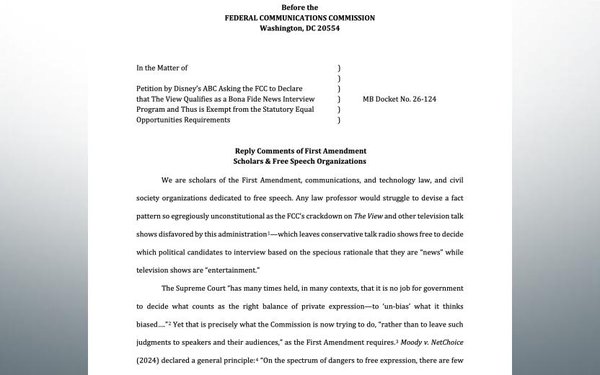
The FCC launched its investigation in January amid a broader crackdown on equal time rules for political candidates appearing on broadcast programs. The agency’s probe focuses on partisan talk shows like “The View,” which has been criticized for hosting predominantly liberal guests and frequently criticizing conservative figures, including former President Donald Trump.
ABC contends that the FCC’s actions are politically motivated and inconsistent. The network points out that “The View” was recognized as a bona fide news program by the FCC as far back as 2002. The current investigation, ABC argues, is less about the program itself and more about the political climate surrounding it.
The network’s comments emphasize, “What has changed is not the program but the political climate around it. The Commission has trained its attention on daytime and late-night television—programs perceived as unfriendly to the current administration—while leaving untouched the vast landscape of talk radio, where candidates routinely appear without their opponents.”
This selective enforcement, ABC argues, undermines the principle of evenhanded regulation and raises concerns about political bias within the FCC’s approach.
Opposition to the FCC’s Equal Opportunities Rule
A central point of contention in ABC’s response is the FCC’s equal opportunities rule, which requires broadcasters to provide equal airtime to political candidates competing in the same race during election seasons. ABC argues that this rule infringes on the First Amendment rights of programs like “The View” by forcing them to host guests they might not otherwise choose.
The network warns that giving the FCC the power to define what constitutes bona fide news programming versus opinion commentary could lead to censorship of disfavored viewpoints. ABC’s filing states, “Giving the Commission carte blanche to decide what is bona fide news programming and what is opinion commentary heightens concerns that the Commission will exercise its authority to punish disfavored content and viewpoints.”
ABC further argues that such government intervention threatens journalistic independence by enabling regulators to decide who qualifies as a “real” journalist, a determination the Constitution reserves for broadcasters and their audiences.
Impact on ‘The View’ and Political Guest Appearances
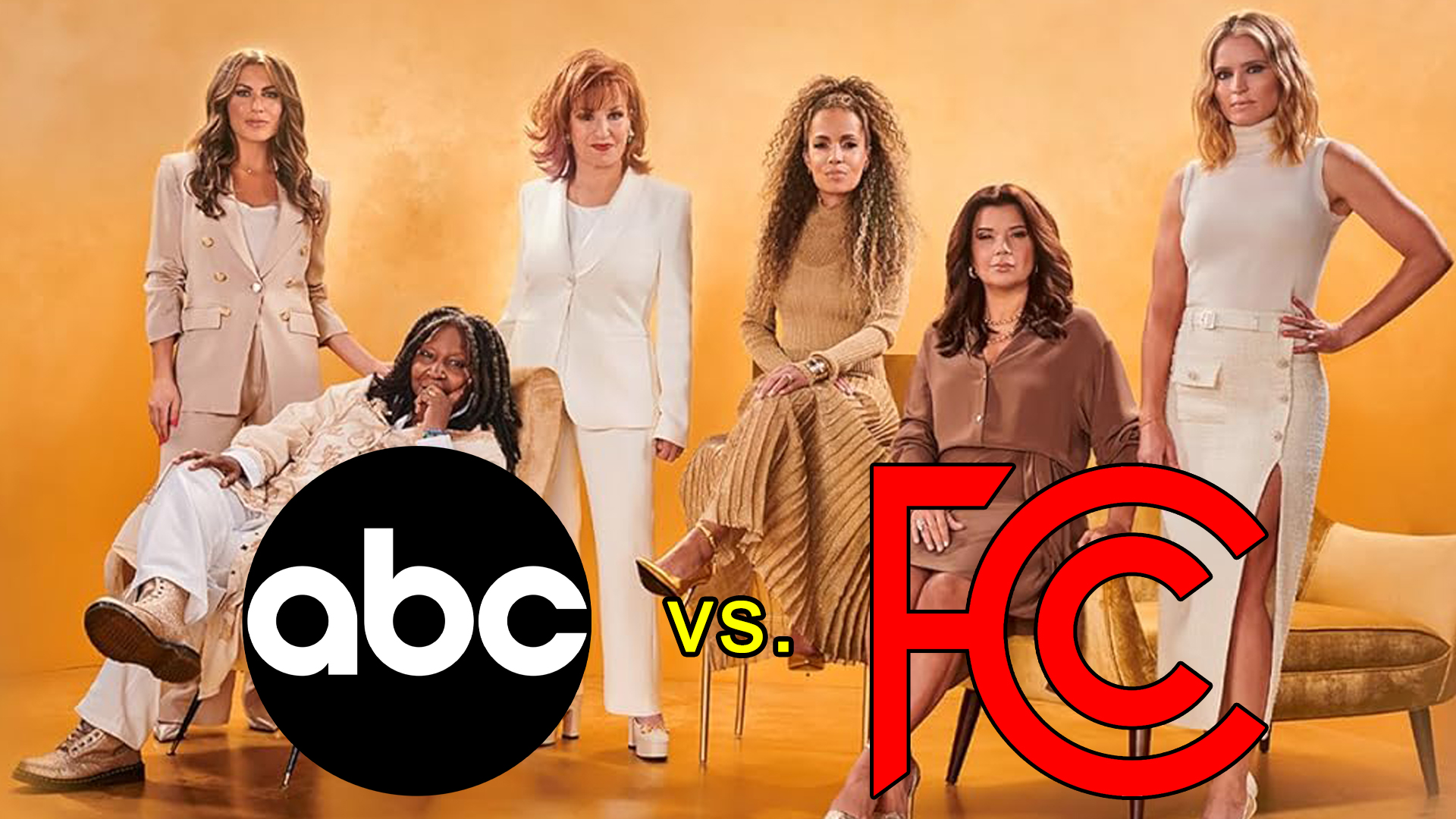
Since the FCC investigation began, “The View” has reportedly reduced its booking of political guests to avoid violating the equal opportunities rule. Notably, the show has not hosted any politicians involved in competitive midterm races since February, when Texas Democratic Senate candidate James Talarico appeared during a primary contest.
While the program has increased appearances by Republican guests in 2026, it continues to feature predominantly liberal voices. The hosts of “The View” have frequently criticized conservative politicians, including former President Trump, which some observers believe has influenced the FCC’s decision to scrutinize the show.
The Broader Implications for Free Speech and Media Regulation
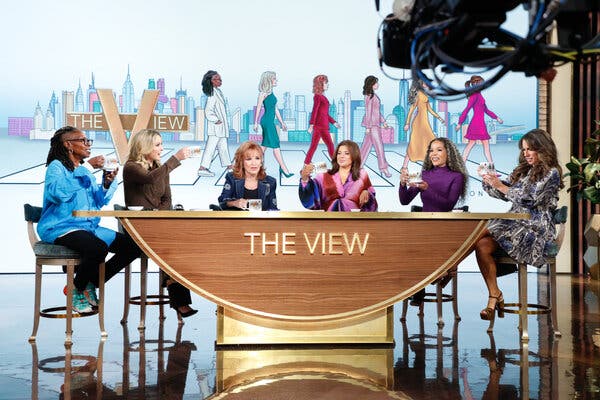
ABC’s pushback against the FCC investigation highlights a broader debate about the role of government in regulating media content. At the heart of the dispute is the balance between ensuring fair political coverage and protecting the constitutional right to free speech.
The network’s argument underscores the risk that regulatory overreach could chill free expression by pressuring broadcasters to conform to government standards of what constitutes legitimate news. This could stifle diverse viewpoints and undermine the independence of editorial judgment.
Moreover, ABC’s case raises questions about the consistency and fairness of FCC enforcement. The network points to the agency’s apparent tolerance of talk radio programs that do not adhere to equal time rules, suggesting a double standard that aligns with political preferences rather than neutral regulation.
FCC’s Response and Ongoing Investigation
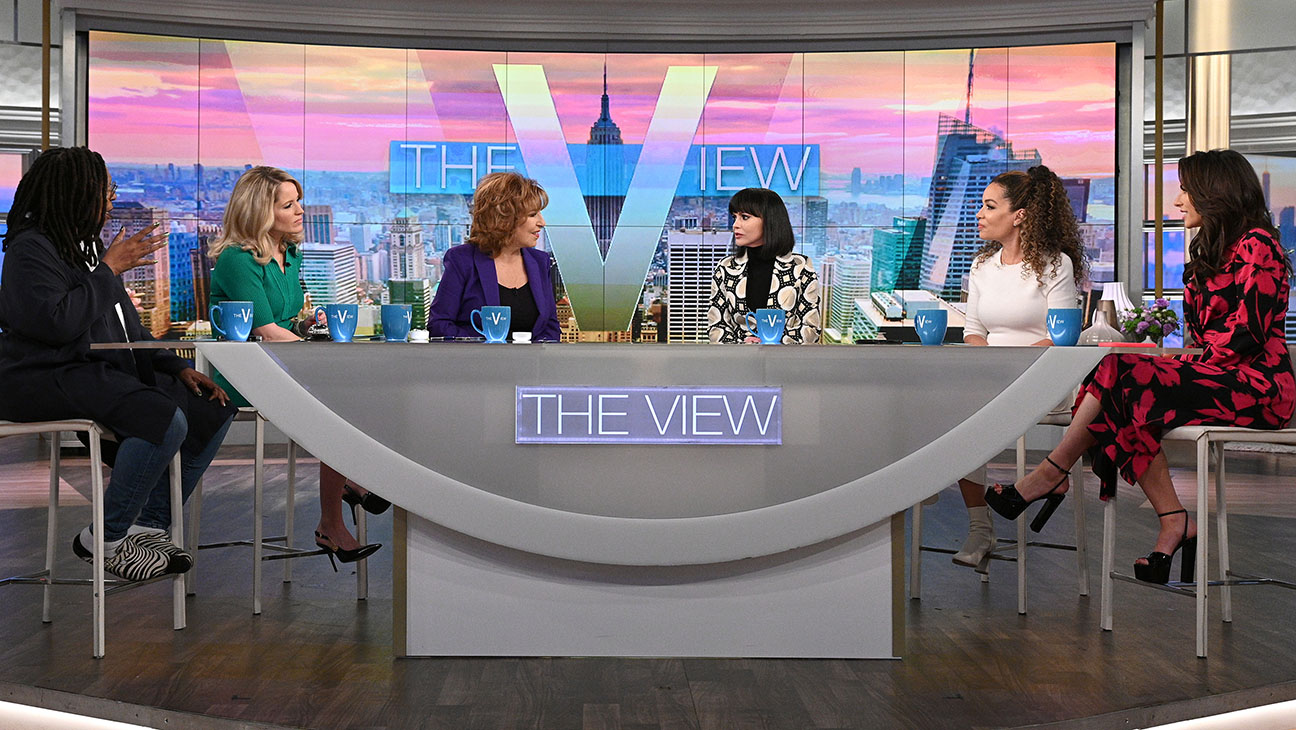
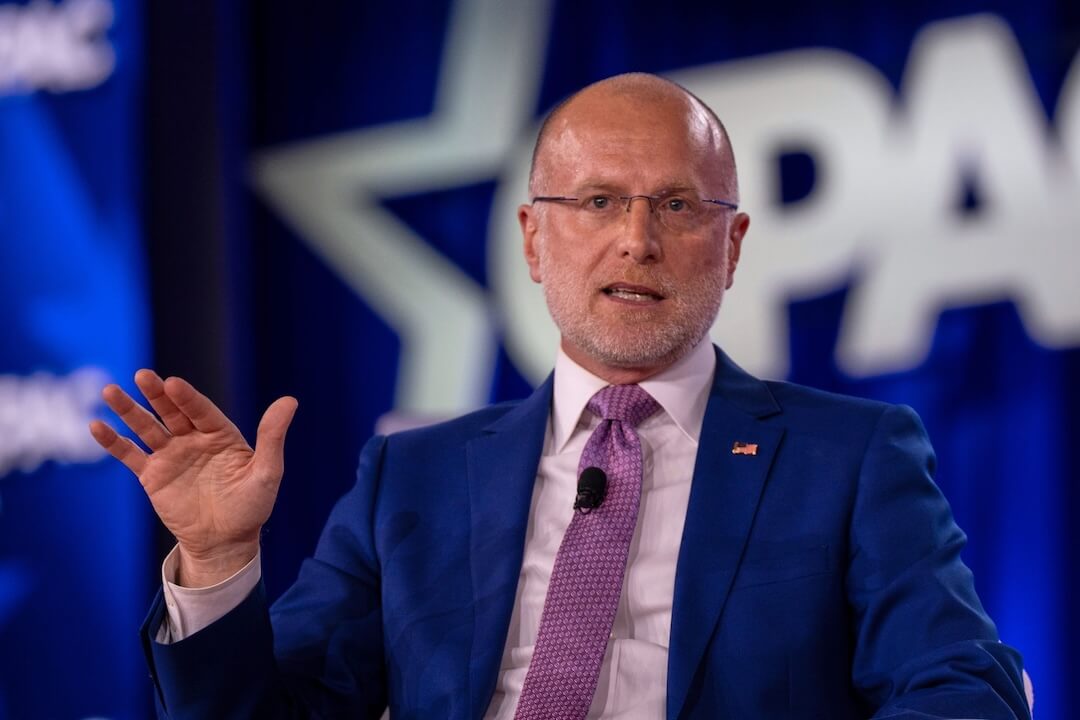
In response to ABC’s comments, an FCC spokesperson told Fox News Digital that while ABC insists “The View” qualifies as a bona fide news program, the network should focus on complying with its public interest obligations rather than misleading the public.
The FCC’s investigation remains active, and the outcome could have significant consequences for how political content is regulated on broadcast television. The agency’s enforcement of equal time rules and its authority to classify programs as news or opinion will continue to be closely watched by broadcasters, legal experts, and free speech advocates.
Conclusion
ABC’s vigorous defense of “The View” against the FCC’s investigation underscores the ongoing tension between government regulation and First Amendment protections in the media landscape. By challenging the FCC’s authority to dictate editorial decisions and opposing the equal opportunities rule as unconstitutional, ABC is standing up for free speech and journalistic independence. As this legal and political battle unfolds, it is crucial for viewers and media consumers to stay informed about their rights and the implications of government interference in broadcast content. If you value free expression and diverse viewpoints in media, support efforts to protect these fundamental freedoms today.

Leave a Reply