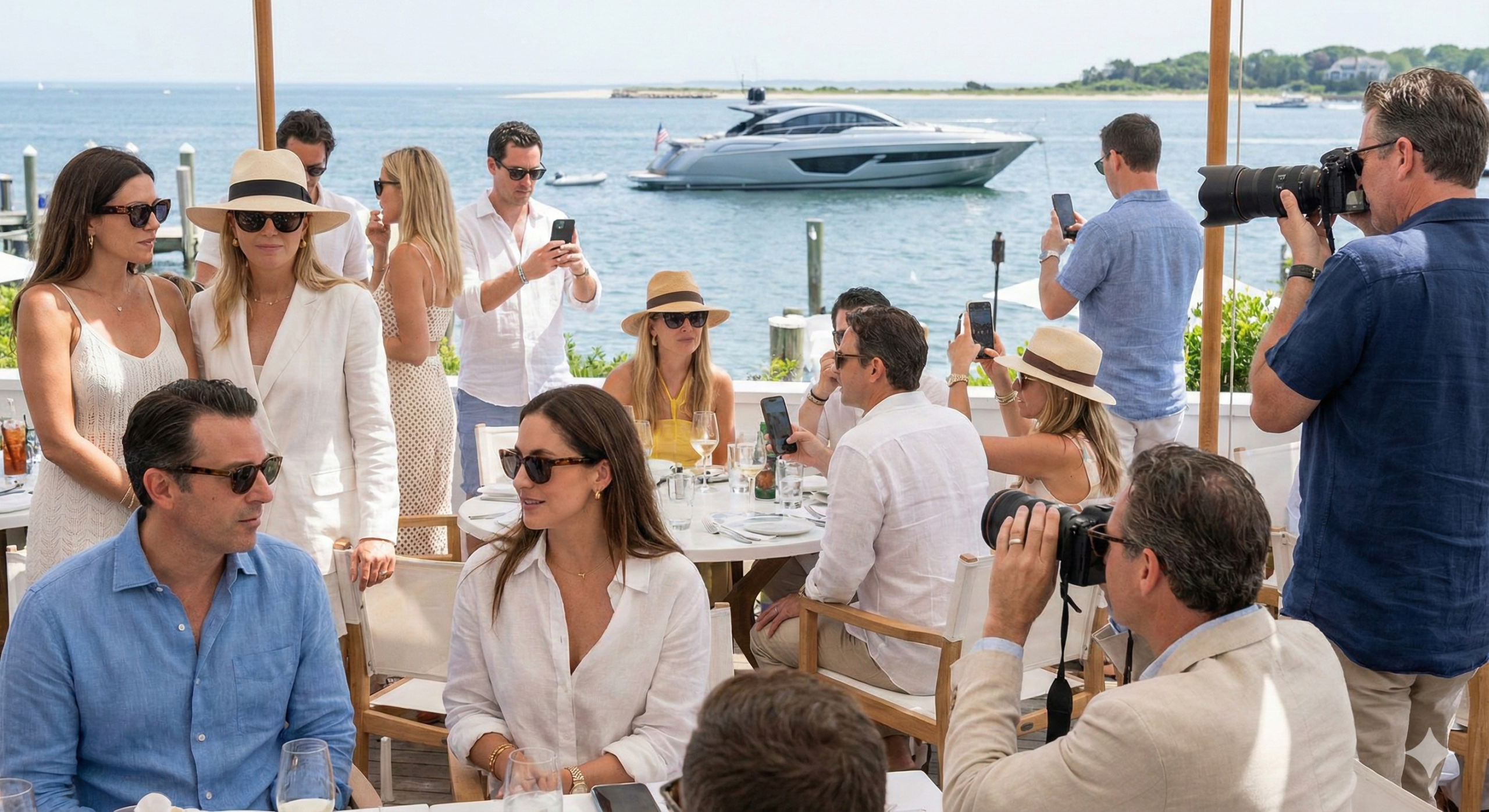
Fears for Delicate Wildlife After A-List Bash Rages at Hamptons Beach
Environmental Concerns Sparked by Celebrity Beach Party in the Hamptons

Last weekend, a high-profile celebration featuring some of Hollywood’s biggest names took place on a pristine stretch of beach in the Hamptons. While the event was intended as a glamorous gathering, it has ignited serious concerns among environmentalists and local authorities about the welfare of delicate wildlife inhabiting the area. The beach, known for its role as a critical breeding ground for endangered species, faced unprecedented disruption due to the scale and intensity of the party.
The event, hosted by nightlife impresario Richie Akiva in collaboration with fashion brand Elie Tahari, attracted a crowd far exceeding initial expectations. Originally permitted for approximately 400 guests, the actual attendance swelled to over 1,000, with many attendees reportedly sneaking in through surrounding woods to join the festivities. This surge in numbers led to extended hours beyond the approved curfew and significant disturbance of the beach environment.
Impact on Endangered Species and Local Ecosystem
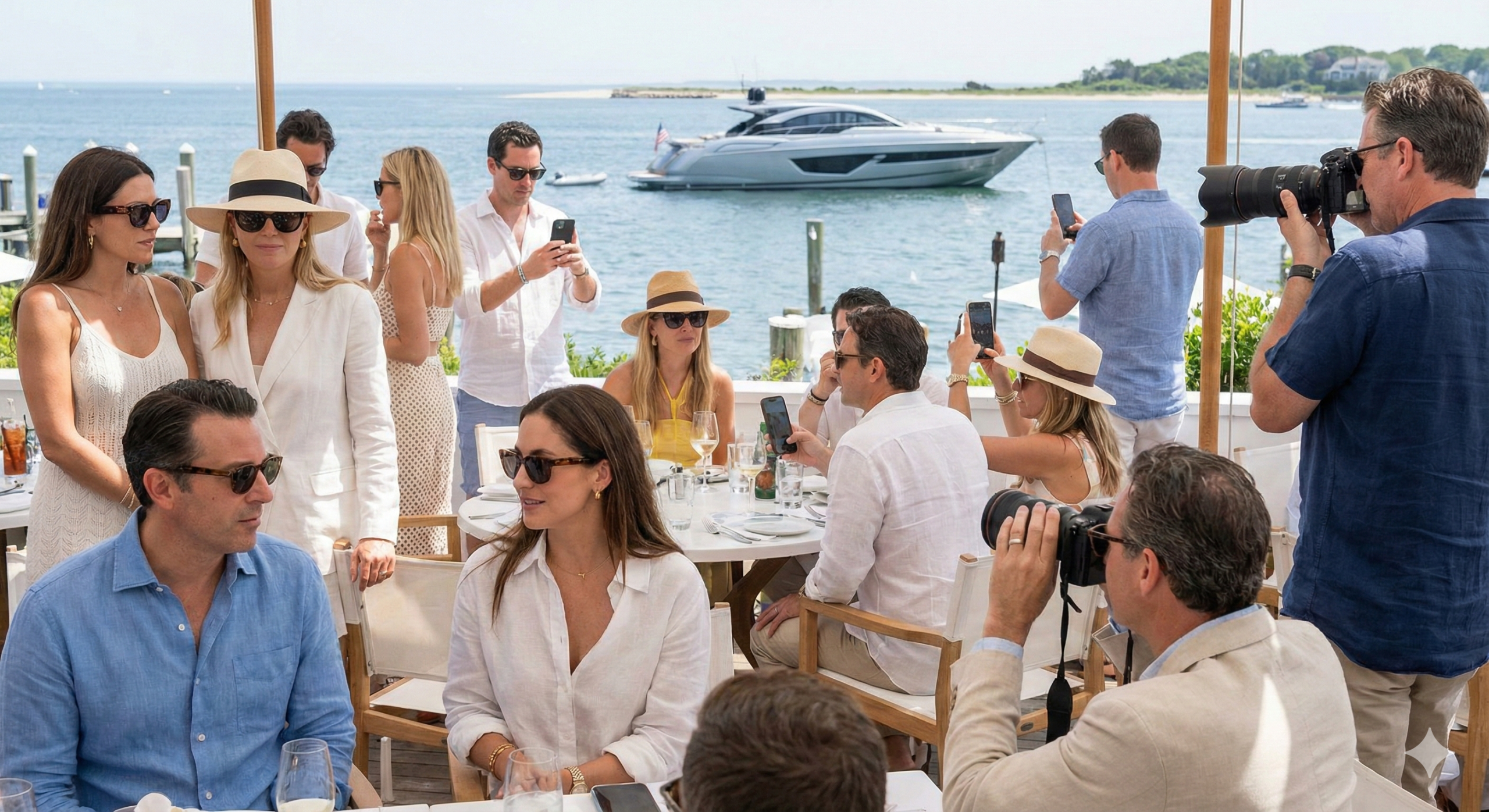
One of the most pressing issues arising from the party is the threat posed to the endangered piping plover, a small shorebird that relies on the sandy dunes between Sagaponack and East Hampton for nesting. Village officials expressed grave concerns that the chicks, which are particularly vulnerable during this breeding season, may have been killed or displaced due to the noise, foot traffic, and heavy equipment used during and after the event.
Local authorities have initiated monitoring efforts to assess the full extent of the damage. An official noted, “I will have the plover monitors go down to the beach and check. I am fairly certain the chicks are dead or displaced.” Such a loss would be devastating to the fragile population of this protected species, which has already been struggling to recover.
Beyond the piping plover, the broader ecosystem has suffered from the event’s aftermath. Photographs circulated among community members show heavy machinery removing temporary metal roadways installed for the party, leaving scars on the beach landscape. Additionally, staging materials and equipment occupied several public parking spaces, limiting access for locals eager to enjoy the beach on a hot summer day.
Community and Official Responses to the Incident

The local community has voiced strong dissatisfaction with how the event was managed. Residents lamented the impingement on public access and the environmental degradation caused by the party. One concerned local described the situation as “beyond reason,” emphasizing the importance of preserving public assets and natural habitats.
Village officials have been reviewing the permits and violations related to the event. While the village clerk declined to comment on potential penalties or whether the hosts would be allowed to hold future events at the site, it was confirmed that all permit applications are evaluated individually. Representatives for the event’s hosts, including Richie Akiva and Elie Tahari, have not provided comments regarding the controversy.
This incident has sparked a broader conversation about balancing high-profile social events with environmental stewardship, especially in ecologically sensitive areas. The Hamptons, renowned for its natural beauty and wildlife, faces ongoing challenges in protecting its unique habitats amid increasing development and tourism pressures.
Protecting the Hamptons’ Fragile Wildlife: What Needs to Be Done?

The recent party’s impact highlights the urgent need for stricter regulations and enforcement when it comes to events held in environmentally sensitive locations. Authorities and community advocates are calling for enhanced monitoring, clearer guidelines, and more robust penalties for violations to prevent future harm.
Public awareness campaigns can also play a vital role in educating visitors and event organizers about the ecological significance of the Hamptons’ beaches. Encouraging responsible behavior and respect for wildlife habitats is essential to preserving these areas for future generations.
Moreover, collaboration between local governments, environmental groups, and event planners can help develop sustainable practices that allow for social gatherings without compromising the health of delicate ecosystems. This includes limiting the size and duration of events, restricting access to vulnerable zones, and ensuring proper cleanup and restoration efforts post-event.
The Role of Community Engagement and Advocacy
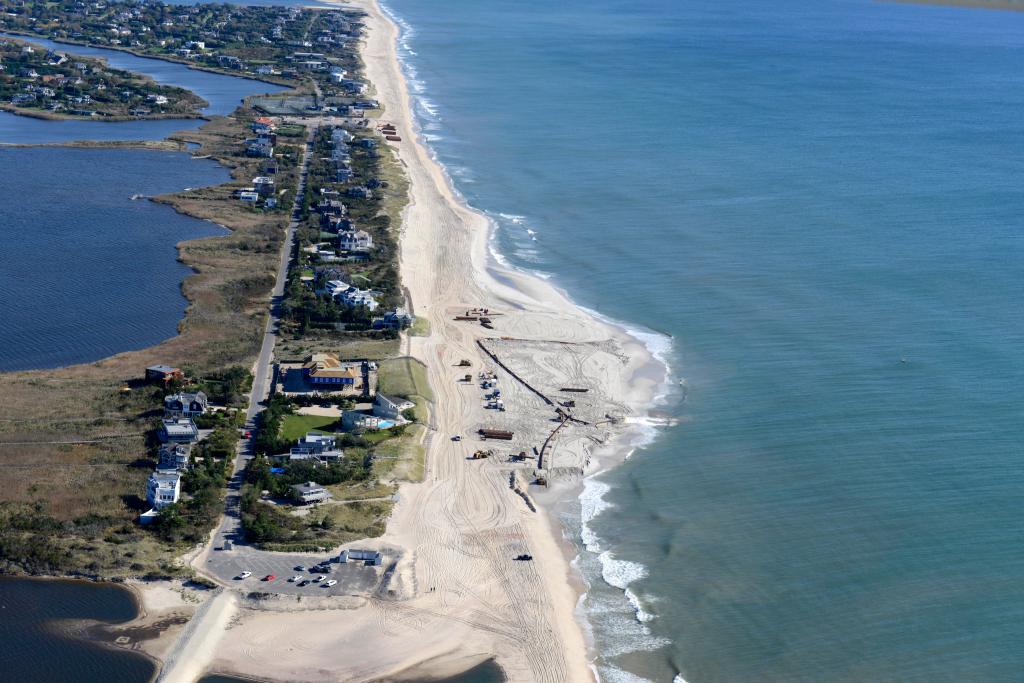
Community involvement remains a cornerstone in safeguarding the Hamptons’ natural treasures. Residents and local organizations have been instrumental in monitoring wildlife populations and reporting violations. Their vigilance ensures that authorities remain accountable and responsive to environmental concerns.
By fostering a culture of stewardship and respect, the Hamptons community can set an example for other coastal regions facing similar challenges. Active participation in conservation initiatives and open dialogue with policymakers are key to achieving long-term protection goals.
Conclusion
The aftermath of the recent A-list bash at the Hamptons beach serves as a stark reminder of the delicate balance between human activity and wildlife preservation. As endangered species like the piping plover face increased threats, it is imperative that event organizers, authorities, and the community work together to protect these vital habitats. If you care about preserving the natural beauty and biodiversity of the Hamptons, stay informed and support local conservation efforts. Together, we can ensure that future celebrations do not come at the expense of our precious wildlife.
Leave a Reply