Billy Joel Reveals Why He Quit Writing Music: ‘I Didn’t Want to Go Like That’
Why Billy Joel Decided to Stop Writing Music
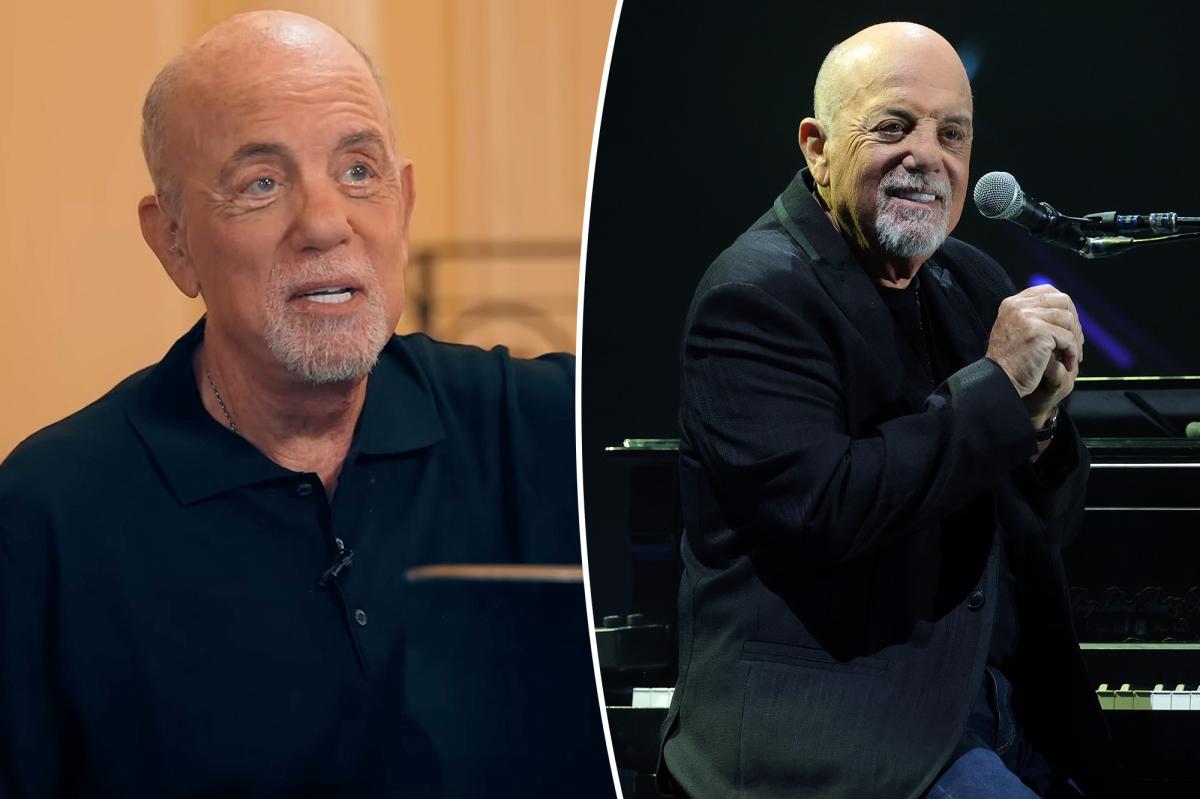
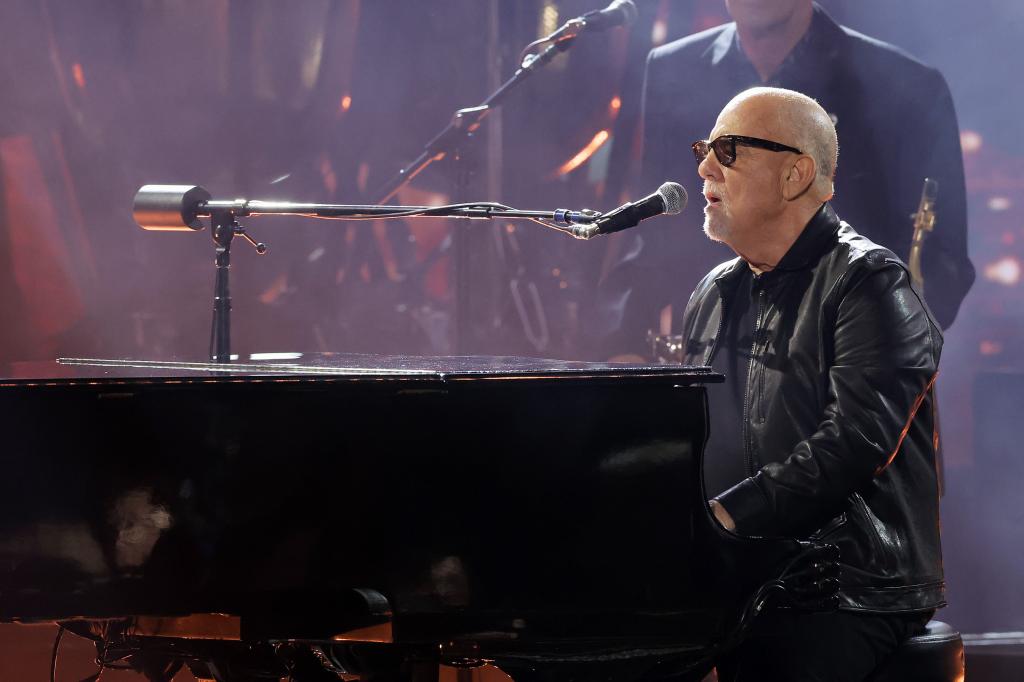
Billy Joel, one of the most celebrated singer-songwriters of all time, shocked many fans when he revealed why he quit writing music after his 1993 album, *River of Dreams*. In a candid YouTube interview with music producer Rick Beato, Joel explained that his decision was deeply rooted in his desire to preserve the quality and integrity of his musical legacy.
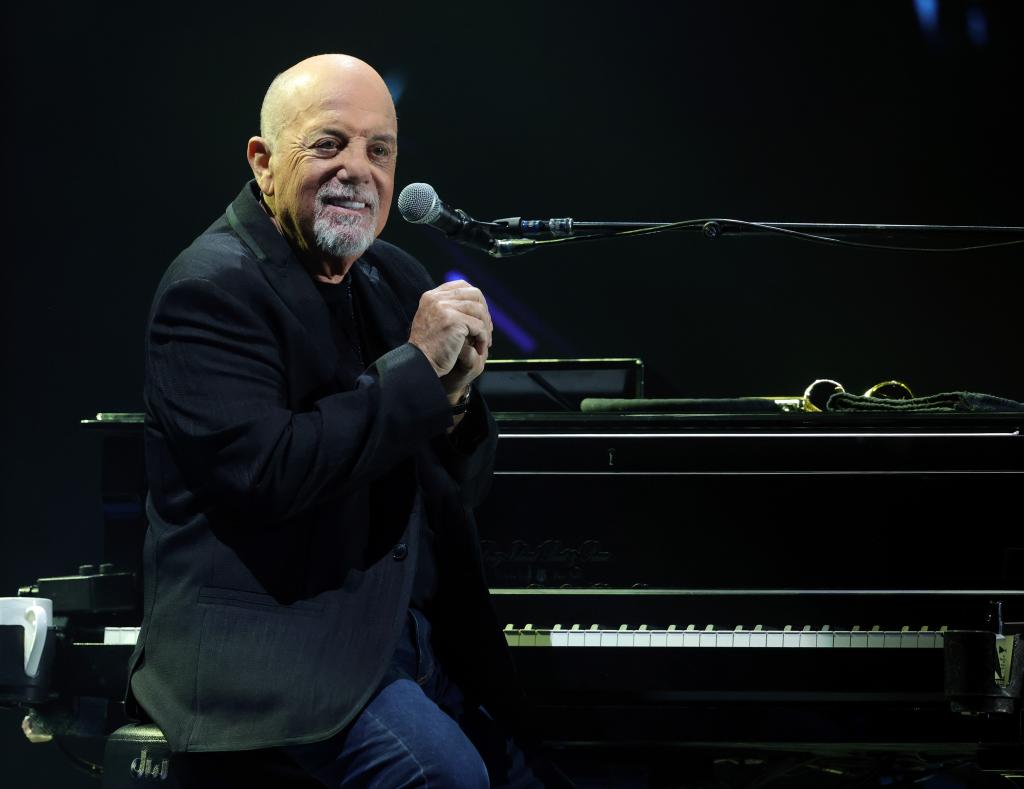
At 77 years old, Joel reflected on how many artists continue to release albums even when they are no longer at their creative peak. “I’ve heard artists who keep putting out records and, really, they’re past… They dilute their legacy,” he said. Joel was clear that he did not want to follow that path. He wanted to quit while he was still on top, maintaining the high standard that fans had come to expect from him.
He described the difficulty of saying no to writing more music, especially when the pressure to keep producing is intense. “It’s not easy to do. Saying no sometimes is really hard to do,” Joel admitted. But ultimately, he felt that continuing to write without the same passion and motivation would only diminish his past achievements.
The Impact of ‘River of Dreams’ and Joel’s Creative Peak
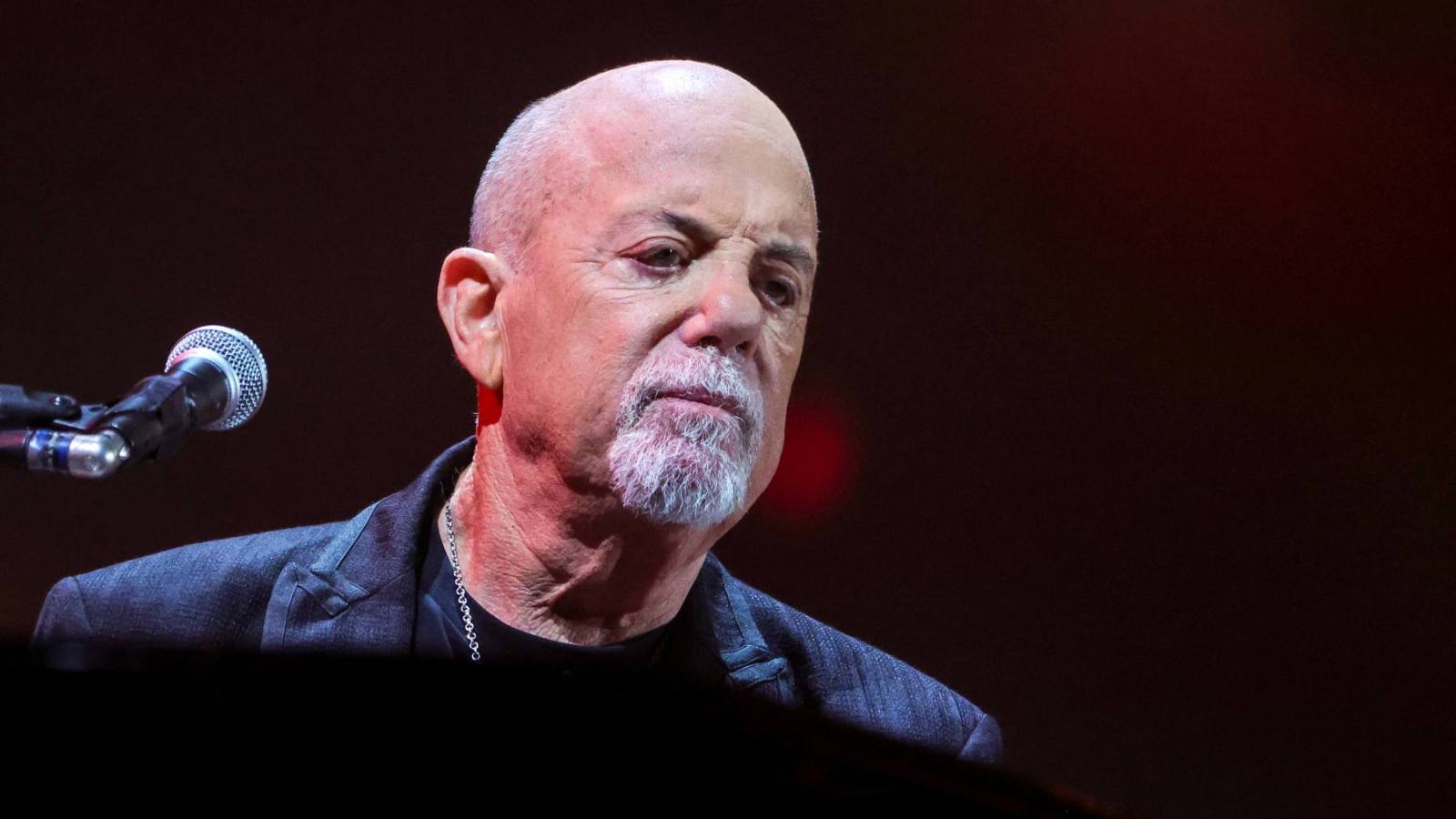
*River of Dreams* marked Joel’s 12th studio album and was a significant milestone in his career. After its release, Joel felt “done” with songwriting. He explained that he had devoted himself fully to the craft, likening his output to that of The Beatles, who also produced 12 albums. For Joel, that number felt like a natural stopping point.
At the time, Joel was married to supermodel Christie Brinkley, and they had a child together. He wanted to focus more on his family life rather than locking himself away to write music like a monk. “I didn’t want to lock myself in a cave and devote myself like a monk to writing anymore,” he said. This personal shift was a key factor in his decision to step back from songwriting.
Joel also shared that he recently found himself unable to help a younger songwriter with his music. “I go, ‘Well you’re gonna have to fix it because I can’t do it anymore,’” he said. This moment underscored how he felt creatively tapped out and unwilling to put himself through the emotional strain of trying to reach a level of excellence that he could no longer sustain.
Preserving a Legendary Legacy
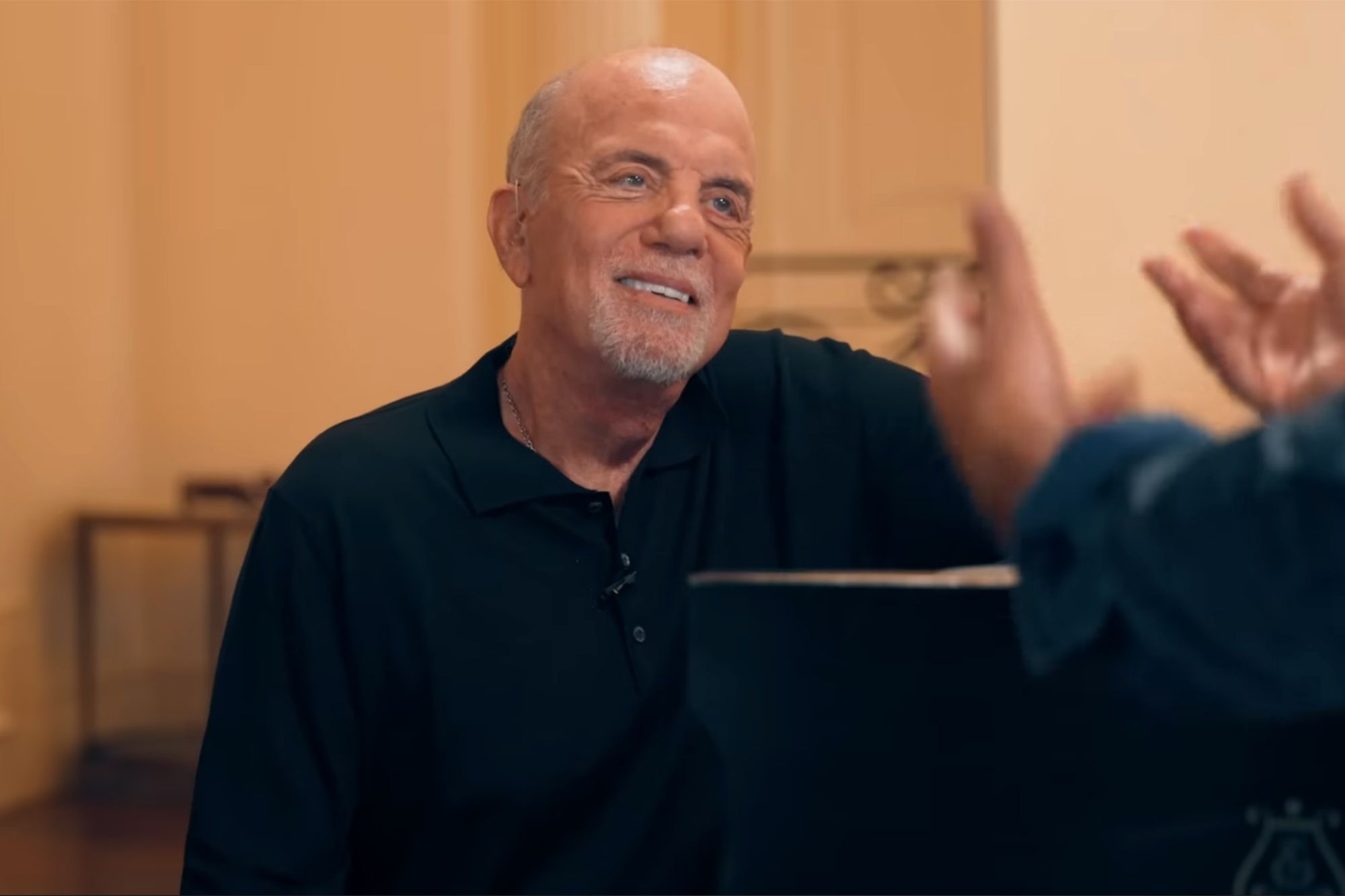
Billy Joel’s decision to stop writing music is a testament to his commitment to quality and authenticity. He didn’t want to “beat a dead horse” or rely solely on his name to carry subpar work. Instead, he chose to leave behind a legacy of timeless music that continues to resonate with fans worldwide.
This approach has helped Joel maintain his status as an iconic figure in the music industry. By refusing to dilute his legacy, he has ensured that his body of work remains respected and cherished. Joel’s story serves as an important reminder for artists about the value of knowing when to step back and preserve their creative integrity.
Life After Songwriting: Joel’s Personal Journey
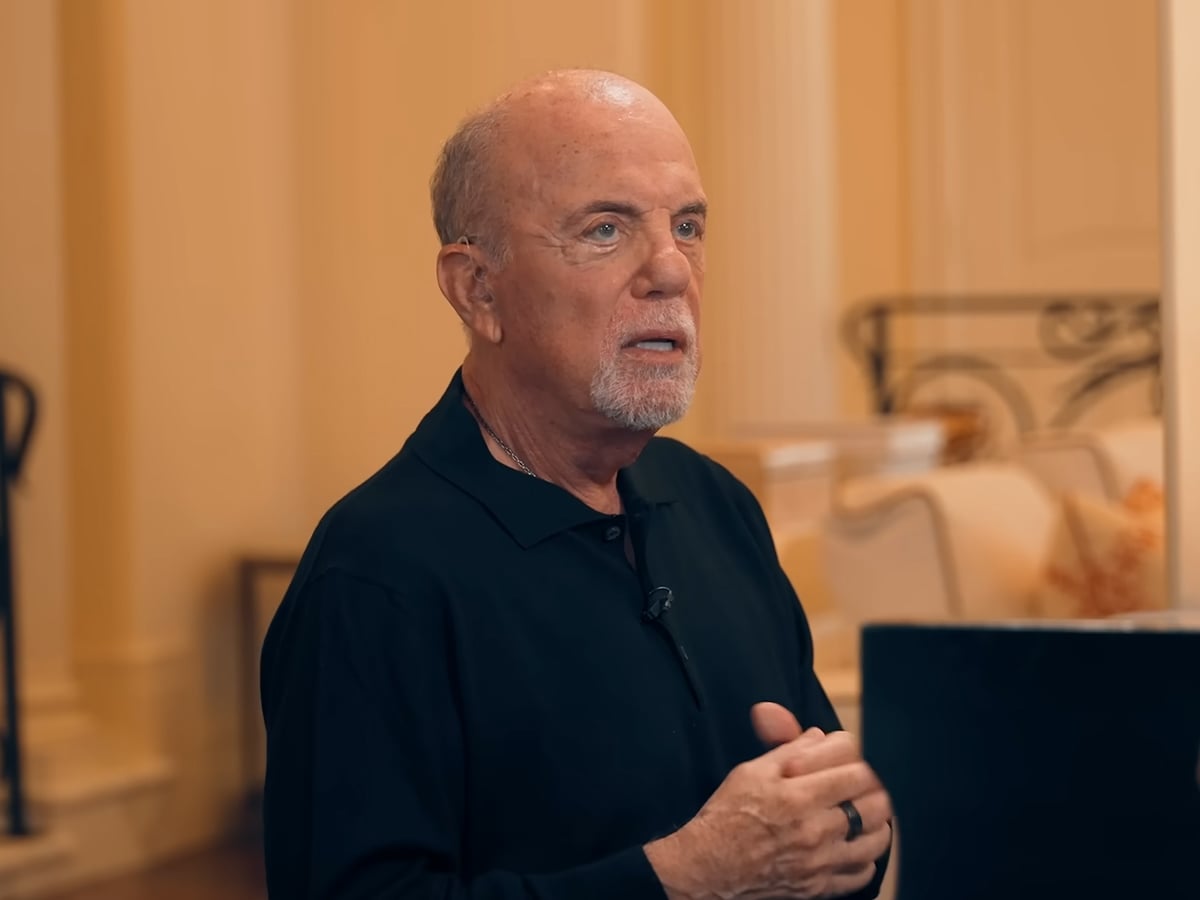
Although Joel stepped away from writing music, he has remained active in other aspects of his life. He is currently married to his fourth wife, Alexis Roderick, and they have two daughters together. Joel’s family life has become a central focus, providing him with joy and fulfillment beyond his musical career.
Joel’s former wife, Christie Brinkley, recently shared a health update about him following his diagnosis with Normal Pressure Hydrocephalus (NPH), a rare brain disorder. Despite this challenge, Brinkley praised Joel’s resilience and fighting spirit, highlighting his determination to stay healthy and proactive.
Joel’s story is not just about his music but also about his strength and adaptability in the face of life’s changes. His ability to prioritize his well-being and family while protecting his artistic legacy offers valuable lessons for fans and fellow musicians alike.
Conclusion

Billy Joel’s revelation about why he quit writing music sheds light on the importance of preserving artistic integrity and knowing when to step away. His decision to stop creating new songs after *River of Dreams* was driven by a desire to maintain the high standards that defined his career and to focus on his personal life. For fans and aspiring artists, Joel’s journey is a powerful example of balancing passion with self-awareness.
If you’re inspired by Billy Joel’s story and want to stay updated on music legends and industry insights, be sure to subscribe to our newsletter and follow us for the latest news and exclusive interviews. Don’t miss out on the stories behind the music that shapes our world!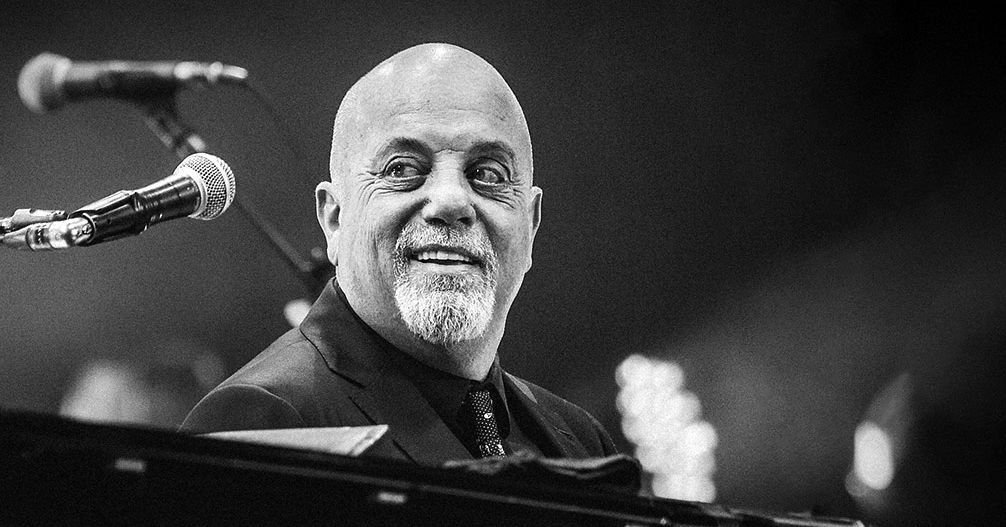

:max_bytes(150000):strip_icc():focal(999x0:1001x2)/billy-joel-3-960791ca410843299bd62b05b22e340b.jpg)
Leave a Reply