
Diddy Beats RICO, Found Not Guilty of Racketeering Conspiracy and Sex Trafficking

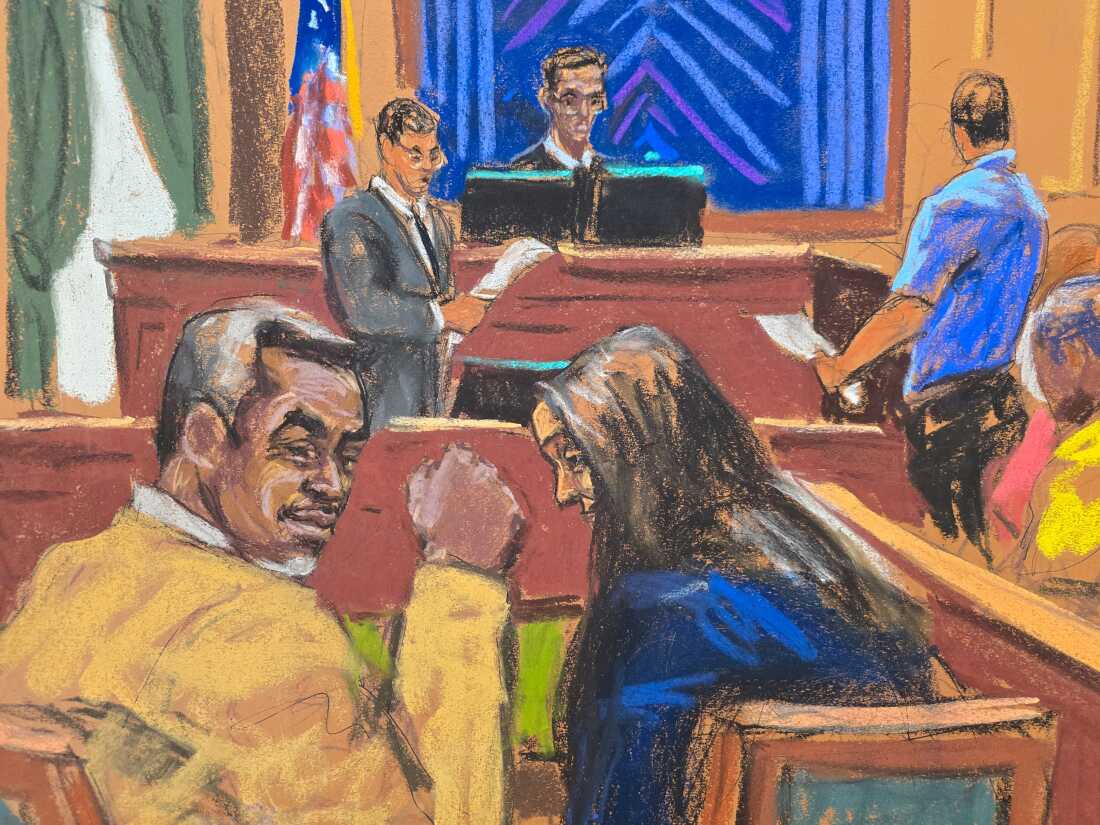
Sean “Diddy” Combs has made headlines once again, this time regarding his recent legal trial. In a decision that has sent shockwaves through both the public and the legal community, the jury found him not guilty of charges related to racketeering conspiracy and sex trafficking. The highly publicized case, which lasted for seven weeks, involved extensive testimonies from 34 witnesses and raised important questions about power dynamics in the entertainment industry.
Verdict Breakdown

The jury’s verdict reflected a complex evaluation of the evidence presented during the trial. Here’s a breakdown of the charges:
- Count 1: Racketeering Conspiracy – Not Guilty
- Count 2: Sex Trafficking involving Cassie Ventura – Not Guilty
- Count 3: Transportation to Engage in Prostitution involving Cassie Ventura – Guilty
- Count 4: Sex Trafficking (Jane) – Not Guilty
- Count 5: Transportation to Engage in Prostitution (Jane) – Guilty
This split verdict indicates a significant complexity in the jury’s deliberations, especially considering the high stakes involved. While Diddy was found guilty on two counts of transportation to engage in prostitution, the more serious allegations of racketeering conspiracy and sex trafficking were dismissed, suggesting that the jury found insufficient evidence to support the notion that these actions were part of a larger coercive operation.
Defense Arguments and Reactions

Diddy’s defense attorney, Marc Agnifilo, argued fiercely against the prosecution, labeling the charges as overreaching and lacking a solid foundation. He contended that the prosecution’s case relied heavily on character attacks rather than concrete evidence of criminal behavior, suggesting that the relationships in question were consensual rather than exploitative.
In contrast, Cassie Ventura’s attorney expressed disappointment at the verdict but praised Ventura’s bravery in coming forward. They emphasized the importance of advocating for victims of abuse, particularly in environments dominated by powerful figures like Diddy. This sentiment resonates with many who believe cases like this reflect systemic issues in the entertainment industry, where the consequences of speaking out can be daunting.
Implications and Reflections on the Trial

The trial’s outcome raises crucial questions about legal interpretations of personal relationships, particularly in the context of power and consent. As the jury deliberated, there were reports of tension, highlighting that not all jurors initially agreed on the racketeering conspiracy charge. This point emphasizes the challenges that arise in cases involving high-profile defendants and complicated interpersonal dynamics.
Additionally, this case underscores a broader cultural conversation about accountability in the entertainment industry. It encourages ongoing dialogues about the balance of power and the necessity of support systems for victims seeking justice. Ultimately, the mixed verdict reflects a legal landscape where consent and coercion intertwine, making it difficult for the legal system to navigate such nuanced issues.
In summary, Diddy’s trial resulted in a notable split verdict, revealing the complexities of legal interpretations in cases involving personal relationships. The debate surrounding the efficacy of the charges and the judicial handling of high-profile cases will likely continue, serving as a reminder of the need for justice and accountability in all circumstances.
If you’re interested in following developments in similar high-profile legal cases, stay tuned for more updates. The importance of understanding the nuances of such trials cannot be understated, particularly in our effort to support victims and advocate for justice.
Leave a Reply