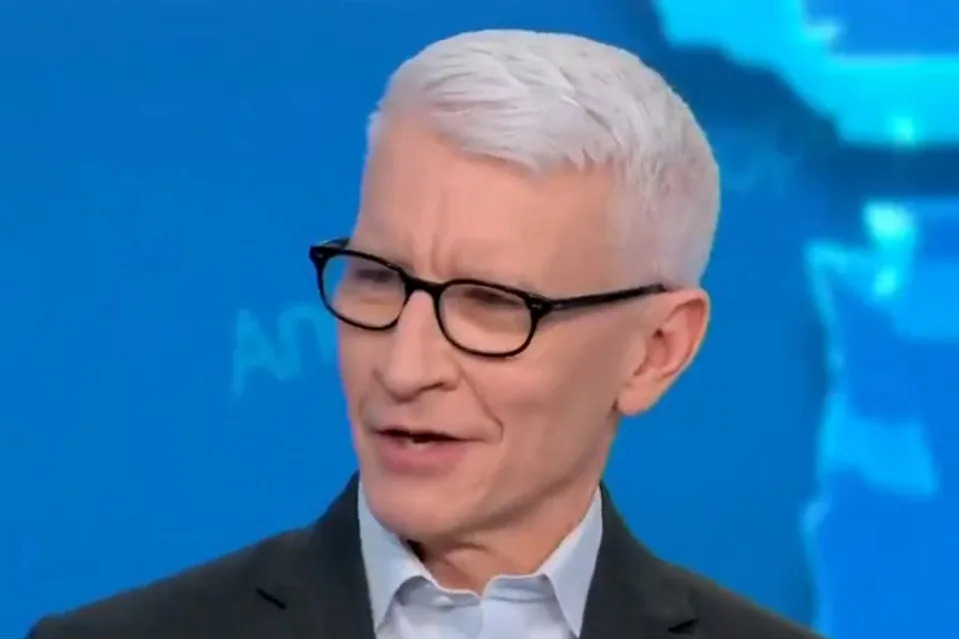
Chris Cuomo Calls Out Ex-Colleague Anderson Cooper as a ‘Fool’ After CNN Anchor Told Ex-NH Gov ‘Don’t Be a D–k’

In a recent broadcast, NewsNation anchor Chris Cuomo did not hold back in calling out his former CNN colleague, Anderson Cooper. The accusation centered around Cooper’s heated exchange with ex-New Hampshire Governor Chris Sununu, in which Cooper expressed frustration by telling Sununu, “Don’t be a d–k.” This on-air comment caught the attention of viewers and prompted Cuomo to deliver his candid take on the situation.

The encounter escalated during a discussion about transparency in Elon Musk’s Department of Government Efficiency. The exchange revealed not only tensions between Cooper and Sununu but also touched on broader issues in today’s media climate. Following the confrontation, Cooper issued an apology to Sununu, who seemed unfazed by the jibe, humorously referencing his large family and asserting that he wasn’t bothered. Nevertheless, Cuomo saw a deeper issue at play and criticized Cooper’s behavior, suggesting that it made him appear foolish.
Cuomo’s Critique of Media Culture
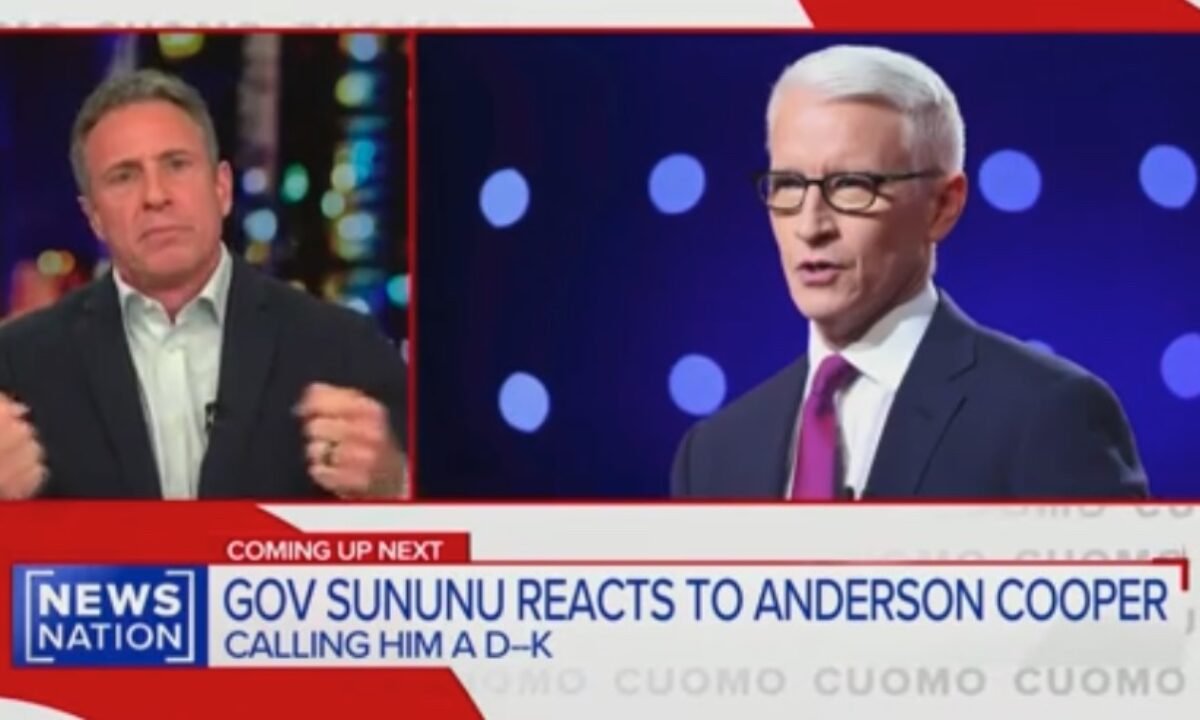
Cuomo did not shy away from voicing his opinion on the implications of Cooper’s comments. He argued that the incident illustrated a troubling trend among media personalities, where aggressive language and confrontational behavior are inaccurately equated with strength and resilience. He emphasized that the current media landscape often rewards what can be perceived as toxic interchange, a stark departure from the traditional standards of professionalism and respect.
According to Cuomo, this pervasive attitude can distort the true nature of tough conversations. “When he surrenders to this ugliness, you know things are out of hand,” Cuomo remarked, signaling a growing concern about how public figures engage with one another, especially on prominent platforms like CNN. He firmly believes that the media should strive for constructive dialogue rather than embrace meanness as a form of toughness.
The Broader Context of Media Dynamics

Cuomo’s comments are particularly poignant given his own exit from CNN in 2021, following controversies surrounding his involvement in his brother Andrew Cuomo’s sexual harassment allegations. Having faced scrutiny himself, Cuomo’s critique carries weight as he reflects on the shifting paradigms within media interactions. His remarks underscore a pivotal moment for journalists as they navigate personal integrity against the backdrop of sensationalism and conflict.
The internal and public conflicts among media figures contribute to a larger narrative that shapes audience perception. As ratings often hinge on dramatic exchanges, Cuomo raises an essential question: at what cost does the pursuit of viewership come? By holding Cooper accountable, he challenges not only his colleague but also sets a standard for others in the industry who may find themselves in similar scenarios.
The Need for Respectful Discourse
Returning to Cooper’s outburst, the incident highlights a critical conversation about the importance of respectful and thoughtful discourse in journalism. As media figures like Cooper, Cuomo, and others grapple with the expectations placed upon them, audiences should encourage dialogues based on respect rather than hostility. The responsibility falls on both journalists to elevate the conversation and the audience to demand higher standards from their media outlets.
Ultimately, Cuomo’s remarks serve as a reminder of the significance of composure and respect in public discussions. In an era where sensationalism can overshadow sincerity, striving for a more balanced approach could pave the way for healthier interactions and greater transparency in the media. Media professionals hold the power to influence public discourse, and as such, they should be mindful of the legacy they leave behind.
Whether you’re a fan of Cuomo or Cooper, it’s clear that the media world is at a crossroads. As viewers, we have the power to shape the future of journalism by advocating for professionalism and integrity. Your voice matters—let’s pledge to demand better from our media, ensuring that respect and truth remain at the forefront of public conversation.
Leave a Reply