
CNN’s Jonah Goldberg Blows a Gasket Over Coverage of Gaza and Calls Out His Own Colleagues

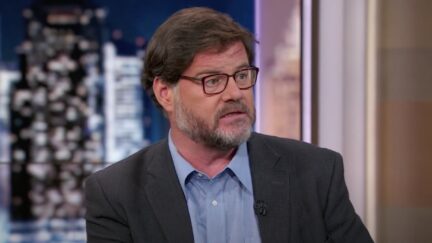
In a recent and riveting discussion, Jonah Goldberg, a prominent contributor at CNN and the editor-in-chief of The Dispatch, voiced stark criticisms regarding his network’s portrayal of the escalating conflict in Gaza. His remarks initiated a deeper examination of the nature of media narratives surrounding essential global issues, particularly when it comes to humanitarian crises.
Goldberg’s Critique of Media Narratives

Goldberg’s comments came during a panel discussion where he expressed profound skepticism regarding the credibility of various entities involved in the coverage of the Gaza crisis. He specifically targeted both the media and the United Nations, arguing that these institutions frequently propagate misleading narratives. This skepticism surfaces particularly when discussing the complex relationship between Hamas, the militant group, and the United Nations Relief and Works Agency (UNRWA). Goldberg emphasized that the ties between these two parties complicate the presentation of the ongoing conflict, especially in terms of humanitarian responsibility.
Addressing the specific challenges that Gaza faces, including dire humanitarian conditions, Goldberg made it clear that he acknowledges the suffering experienced by civilians. However, he cautioned against making decisions influenced solely by emotionally charged media portrayals. He believes that a more measured approach is required when dissecting the multifaceted realities on the ground. This viewpoint highlights a broader concern about how media coverage can shape public perception and impact policy.
Addressing Humanitarian Obligations and Misinformation

During the discussion, Goldberg was pressed about Israel’s potential humanitarian obligations amidst the conflict. He referenced a specific report that indicated a risk of famine in Gaza but hastened to clarify that a widespread famine was not currently taking place. This distinction, he asserted, was crucial in understanding the implications of humanitarian narratives being circulated in the media.
Moreover, he criticized what he sees as a tendency within the media to sensationalize stories, which can lead to the dissemination of misinformation. One notable example he cited was a recent claim regarding a mass death of infants, which he argued was driven by social media platforms without sufficient verification. Goldberg’s arguments underscore the critical need for journalists to adhere to rigorous ethical standards, especially when reporting on contentious issues that deeply affect the lives of individuals caught in crises.
Call for Nuanced Reporting
Goldberg’s conclusion presented a comprehensive critique of the discourse surrounding the Gaza situation. Expressing deep distrust in the narratives propagated by various parties involved, he called for a more nuanced approach to covering such sensitive and complex issues. His remarks spotlight the necessity for media professionals to engage critically with the information they present and to provide context that enriches public understanding rather than sensationalizing conflict for ratings or clicks.
Despite his skepticism, Goldberg did not shy away from acknowledging the real suffering faced by individuals in Gaza. He emphasized that while it’s essential to scrutinize narratives and motivations behind the reporting, the human element—the pain and hardship of those affected—should always remain at the forefront of any discussion regarding the Gaza conflict. Goldberg’s reflections serve as a reminder of the responsibility that journalists hold in shaping narratives that can heavily influence public opinion and policy.
Conclusion

Jonah Goldberg’s passionate critique offers a compelling perspective on the media’s role in shaping narratives about complex international crises. His insights encourage a more careful and nuanced approach to reporting on emergencies like the conflict in Gaza. It’s essential for both media professionals and the public to engage in thoughtful discourse and seek deeper understanding to foster informed perspectives and actions.

Leave a Reply