
Meghan McCain Urges White House to Pull Credential of CNN’s Kaitlan Collins

In a bold move, conservative commentator Meghan McCain has publicly demanded the White House to revoke the press credentials of CNN anchor Kaitlan Collins. This call for action follows a contentious interaction during a press briefing, where Collins pressed Press Secretary Karoline Leavitt about President Trump’s views regarding Tulsi Gabbard, the recently appointed Director of National Intelligence. McCain, known for her fierce criticism of media portrayals of the Trump administration, labeled Collins as a “pure partisan hack,” urging that her continued presence in White House press coverage undermines the essential respect due to the office and its representatives.
Background on the Incident
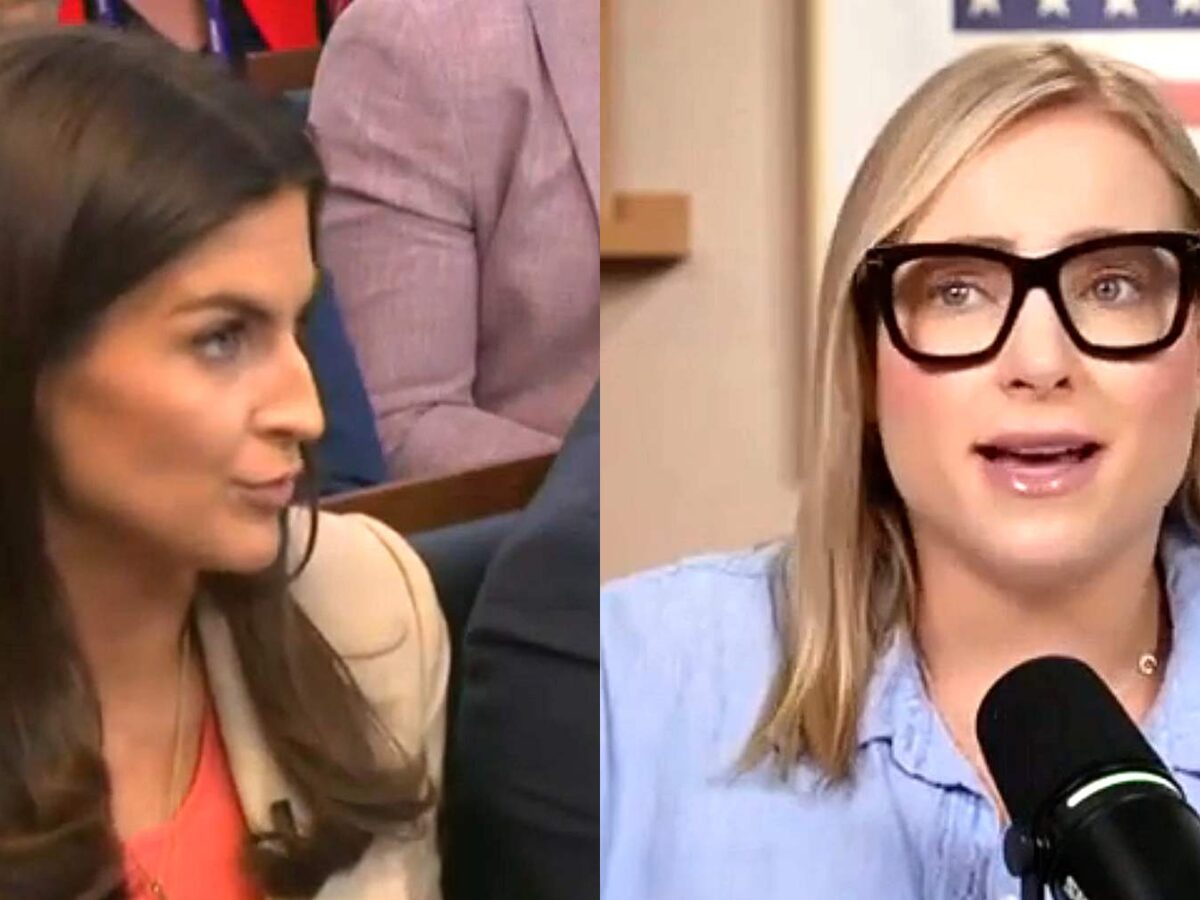
The controversy erupted when Collins confronted Leavitt about the timing of Gabbard’s document release. This release allegedly indicated that the Obama administration tried to undermine Trump’s presidency well before the 2016 elections. During the press briefing, Collins’ pointed questions were perceived as not only aggressive but also dismissive of the White House’s attempts to convey the administration’s message. McCain’s subsequent social media criticism reverberated within conservative circles, with many agreeing that respect for the office of the presidency is paramount.
The Precedent of Credential Revocation

This current dispute draws parallels to previous actions taken during Trump’s administration, wherein press credentials were often revoked for journalists deemed combative. Notably, CNN’s Jim Acosta was at the center of such a controversy in 2018, leading to heated discussions about press freedom and governmental transparency. Under Trump’s presidency, the administration consistently sought to control the media narrative, leveraging interactions to elevate right-leaning voices while marginalizing outlets they perceived as adversarial. The current incident involving Collins symbolizes a continuation of these tensions.
The Broader Implications for Media Relations

This ongoing conflict points to a growing divide between media representatives and government officials, particularly in the politically charged environment surrounding the Trump administration. Critics, including McCain, argue that the media should maintain a level of decorum and professionalism, upholding the integrity of the press in its role to inform the public. Conversely, advocates for a free press maintain that tough questioning is vital in holding public officials accountable. The dynamic between the White House and media representatives like Collins illustrates the intricate balance these professionals must navigate in fulfilling their responsibilities.
As the conversation continues to evolve, the question remains: will the White House take action regarding Collins’ credentials? McCain’s call for accountability has sparked discussions within political commentary spheres, with many vocalizing their stance on the propriety of press interactions. It serves as a reminder that the relationship between lawmakers and the press will continue to be scrutinized, as each side wrestles with its role in a democratic society.
Ultimately, whether or not McCain’s pleas are heeded may set a significant precedent for how media relations are managed moving forward, emphasizing the importance of respecting traditional journalistic principles even amid intense political scrutiny.
For those following this developing story, it’s essential to stay updated on future statements from both Meghan McCain and the White House, as they will likely shape the trajectory of media coverage and governmental transparency.


Leave a Reply