
ESPN’s Bias And Hypocrisy On Full Display In Treatment Of Paul Finebaum And Stephen A Smith
ESPN’s Political Double Standards: The Case of Paul Finebaum vs. Stephen A. Smith

ESPN, a leading sports network, has recently come under scrutiny for its apparent double standards in handling the political ambitions of two of its prominent personalities: Paul Finebaum and Stephen A. Smith. Earlier this year, Stephen A. Smith publicly considered a run for President of the United States as a Democrat and was rewarded with a five-year, $100 million contract. This deal even allows Smith to discuss his political ambitions on news programs affiliated with ESPN. In stark contrast, when Paul Finebaum expressed interest in running as a Republican for the Senate seat in Alabama, ESPN abruptly canceled all his scheduled appearances on the network’s main channel.
This disparity raises critical questions about ESPN’s impartiality and its policies regarding political expression among its employees. While Smith’s political aspirations were embraced and even promoted, Finebaum’s similar ambitions were met with silence and exclusion. The network’s inconsistent approach highlights a troubling bias that aligns more with political affiliation than with any stated company policy.
The Fallout: Cancellations and Silence Surrounding Paul Finebaum

Following Finebaum’s interview with Clay Travis on OutKick, where he revealed his vote for Donald Trump and interest in the Alabama Senate race, ESPN swiftly removed him from its main channel. According to multiple sources, all of Finebaum’s appearances on flagship ESPN programs such as SportsCenter, Get Up, and First Take were canceled, despite these being regular slots for him, especially during a peak college football season.
ESPN’s public relations representative Bill Hofheimer denied these claims, labeling them as “TOTALLY FALSE,” but failed to provide evidence of any Finebaum appearances since the interview. The absence of Finebaum was conspicuous, especially considering his continued presence on the SEC Network, which broadcasts his radio simulcast and SEC Nation. This selective exclusion from ESPN’s primary platform underscores the network’s uneven treatment.
Political Expression and ESPN’s Unequal Enforcement

ESPN’s inconsistent enforcement of its so-called “ban on politics” policy further exposes its bias. For instance, former ESPN host Sage Steele was suspended for violating this policy, while other employees openly endorsed Democratic candidates or expressed liberal views without facing repercussions. Mina Kimes, Elle Duncan, David Dennis Jr., and Malika Andrews have all made politically charged statements or endorsements that align with progressive causes, yet none were disciplined.
Moreover, ESPN’s social media policies appear to be applied unevenly. Anchor Ashley Brewer was ordered to delete a photo with a Republican congressman, whereas Mark Jones continues to display a photo with former President Barack Obama on his social media accounts. These discrepancies suggest that ESPN’s actions are influenced more by political leanings and possibly race than by any consistent standard.
The Broader Implications of ESPN’s Bias and What It Means for Media Fairness

The contrasting treatment of Finebaum and Smith is emblematic of a larger problem within ESPN and, arguably, the media industry at large. When political beliefs dictate professional opportunities and visibility, it undermines the principles of fairness and free expression. Employees who hold conservative views or express Republican affiliations face marginalization, while those aligned with liberal perspectives enjoy broader acceptance and support.
This environment sends a chilling message to employees and audiences alike: political conformity is rewarded, while dissent or alternative viewpoints are punished. Such practices not only damage ESPN’s credibility but also contribute to the polarization of media spaces that should ideally foster diverse opinions and open dialogue.
Paul Finebaum’s Future Beyond ESPN

Despite ESPN’s apparent efforts to sideline him, Paul Finebaum’s influence remains strong, particularly in Alabama. His deep connection with the college football community and loyal fan base positions him well for a potential political career outside the confines of ESPN. As Senator Tommy Tuberville noted, Finebaum’s name recognition and public profile could make him a formidable candidate in Alabama politics.
Finebaum’s situation also highlights an important truth: talented personalities do not need to rely solely on major networks to succeed. Independent platforms and alternative media outlets offer viable avenues for voices that mainstream channels may seek to suppress due to political bias.
Stephen A. Smith’s Continued Favor with ESPN
Meanwhile, Stephen A. Smith continues to enjoy ESPN’s full support. His lucrative contract and prominent roles, including upcoming appearances on Monday Night Football, demonstrate the network’s willingness to promote and accommodate his political ambitions. Smith’s case exemplifies how ESPN selectively enforces its policies to favor certain individuals, reinforcing perceptions of hypocrisy.
Conclusion
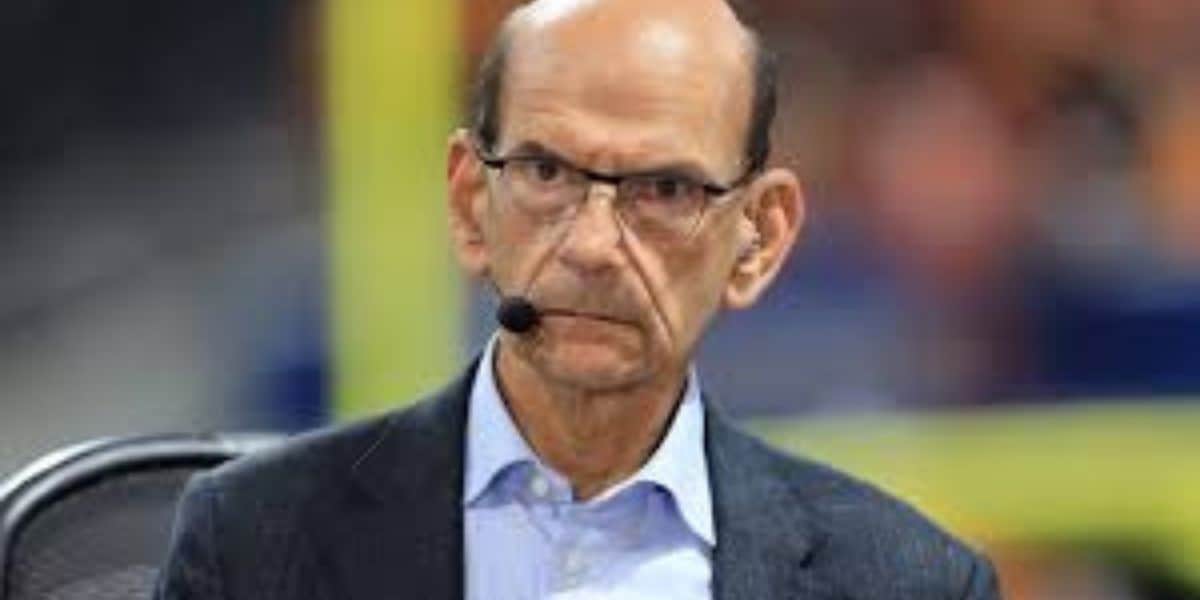
ESPN’s treatment of Paul Finebaum and Stephen A. Smith lays bare the network’s political bias and hypocrisy. While Smith’s Democratic aspirations are embraced and rewarded, Finebaum’s Republican ambitions have led to cancellations and exclusion. This double standard not only undermines ESPN’s credibility but also raises serious concerns about fairness and free expression in media.
For audiences and employees alike, it is essential to demand consistent and impartial policies that respect diverse political viewpoints. If you value media fairness and want to see equal treatment regardless of political affiliation, stay informed and support platforms that uphold these principles. Join the conversation and advocate for transparency and equity in sports media today.


Leave a Reply