
Never Married Fox News Star, 62, Scolds Young People for Not Prioritizing Marriage
Laura Ingraham Criticizes Gen Z for Devaluing Marriage and Family
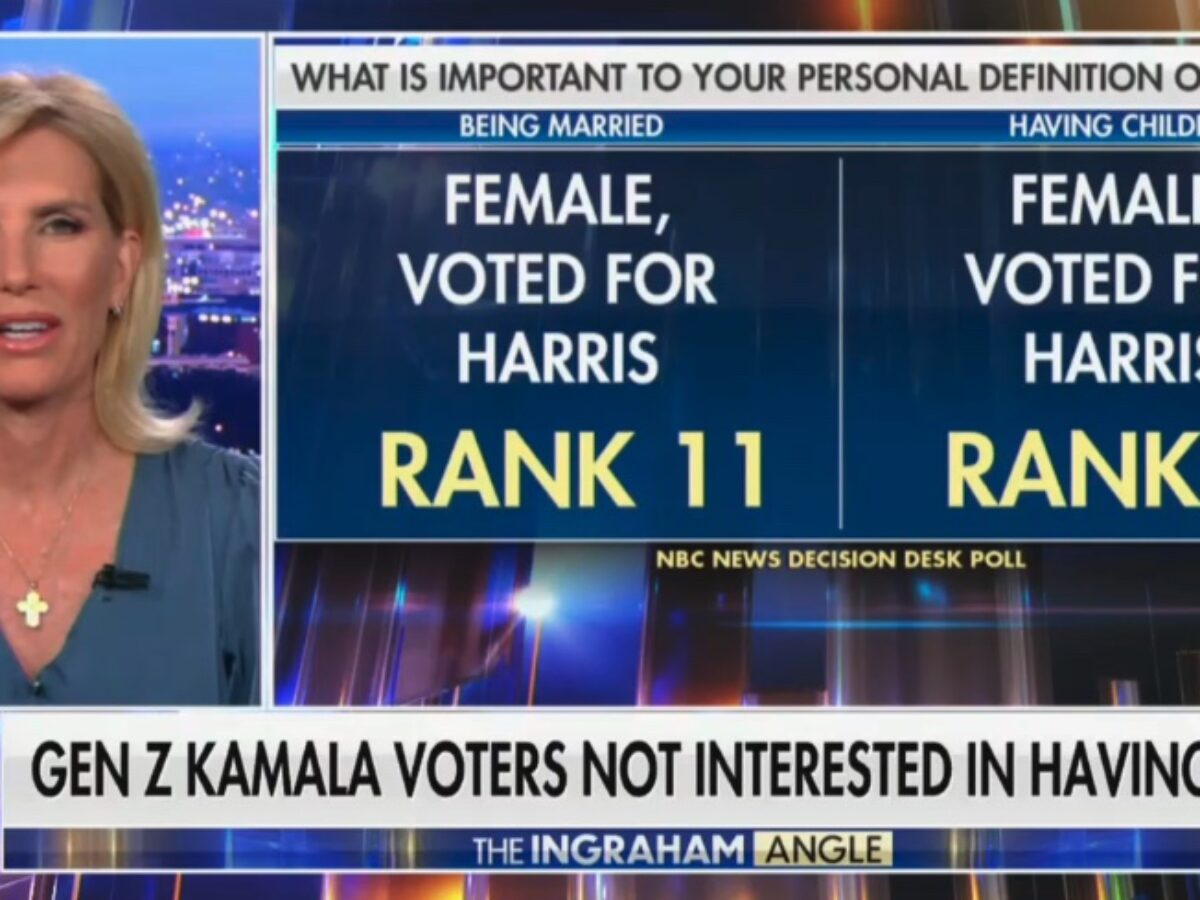
Laura Ingraham, the 62-year-old Fox News personality known for her conservative commentary, recently voiced strong opinions about the younger generation’s shifting priorities regarding marriage and family life. Despite having never married herself and adopting three children in her forties, Ingraham expressed concern that many young people today do not see marriage and child-rearing as essential markers of success.
On her show, The Ingraham Angle, she referenced new polling data from NBC News that revealed a stark contrast between political and generational attitudes toward family. According to the poll, young conservative men aged 18 to 29 who voted for Donald Trump ranked having children as their number one priority, with marriage coming in fourth. In contrast, Gen Z men who supported Kamala Harris placed having children ninth and marriage tenth on their list of priorities. The numbers were even lower for female Gen Z voters backing Harris, with marriage ranked eleventh and children twelfth.
Ingraham’s critique highlights a growing cultural divide: while some young conservatives maintain traditional family values, many others appear to be de-emphasizing marriage and parenthood in favor of other life goals.
The Role of Politics and Social Trends in Shaping Family Priorities

The polling data that Ingraham cited reflects broader societal trends. Fertility rates in the United States have reached historic lows, with the Centers for Disease Control and Prevention (CDC) reporting a total fertility rate of just 1.599 births per woman in 2024—well below the replacement level of 2.1. Birth rates among women aged 20 to 24 have plummeted to a record low of 55.4 per 1,000, and those aged 25 to 29 have also declined significantly.
Experts and commentators like conservative activist Charlie Kirk, who appeared as a guest on Ingraham’s show, attribute these trends partly to shifting cultural values. Kirk argued that young men on college campuses tend to prioritize marriage and children more than young women, who often place greater emphasis on career advancement. He suggested that this imbalance contributes to the ongoing fertility decline and the trend of people delaying marriage and childbirth well into their 30s.
Ingraham and Kirk both lamented the influence of social media and modern societal pressures, implying that these factors have led many young people to undervalue traditional family structures. Kirk’s advice to young women was to prioritize having children over career ambitions, emphasizing that career opportunities can be revisited later in life, but the biological window for childbearing is limited.
Laura Ingraham’s Personal Journey and Contradictions

While Ingraham’s public stance champions marriage and child-rearing as pillars of success, her personal life presents an intriguing contrast. She has never been married but chose to adopt three children between 2008 and 2011. Her career path has been notable, including work as a speechwriter during the Reagan administration, attending law school, practicing law at a prestigious firm, and eventually becoming a prominent Fox News host since 2007.
Ingraham’s personal experiences add complexity to her critique of younger generations. Despite not following the traditional route of marriage before motherhood, she advocates strongly for the importance of family and warns against the societal consequences of declining marriage rates. Her relationships with public figures such as George Conway, Keith Olberman, and Dinesh D’Souza have also been part of her public narrative.
This juxtaposition between her life and her message underscores the nuanced nature of contemporary discussions about family, success, and gender roles.
Implications of Declining Marriage Rates on Society

The trend of young people deprioritizing marriage and children has significant implications for society at large. Declining birth rates can lead to demographic shifts that affect economic growth, social welfare systems, and cultural continuity. A smaller younger generation means fewer workers to support an aging population, which can strain public resources and social services.
Moreover, the changing attitudes toward marriage reflect evolving social norms around relationships, gender roles, and personal fulfillment. While some view these changes as progress toward greater individual freedom and equality, others, like Ingraham, see them as a threat to traditional values that have historically underpinned stable societies.
The debate also touches on gender dynamics, with discussions about how young men and women differ in their priorities and how societal expectations influence these choices. The fertility collapse noted by experts is a complex phenomenon influenced by economic factors, career aspirations, cultural shifts, and access to reproductive health services.
What Can Young People Learn from This Discussion?

Young adults today navigate a complex landscape of opportunities and challenges. The conversation sparked by Laura Ingraham and others invites reflection on how individuals define success and fulfillment. While career achievements and personal freedom are important, the role of family and relationships remains a vital consideration for many.
Understanding the biological realities of fertility and the social benefits of stable family structures can help young people make informed decisions about their futures. Balancing career ambitions with personal life goals is a nuanced process that requires thoughtful planning and self-awareness.
Ultimately, the discussion encourages young people to critically evaluate societal messages and to prioritize what aligns best with their values and long-term happiness.
Conclusion

Laura Ingraham’s critique of young people for not prioritizing marriage and child-rearing highlights a significant cultural and demographic shift in modern society. While her own life story adds complexity to her message, the concerns about declining fertility rates and changing family values are shared by many. Whether you agree or disagree with Ingraham’s perspective, it’s clear that the conversation about marriage, family, and success is more relevant than ever.
If you found this article insightful, consider sharing it with friends and family to spark meaningful discussions about the future of relationships and society. Stay informed and engaged as these important issues continue to evolve.


Leave a Reply