
Prince Andrew Faces Public ‘Disgust’ and Outrage After Living Rent-Free for More Than 20 Years: Experts Weigh In
Prince Andrew’s Rent-Free Residency Sparks Public Outrage

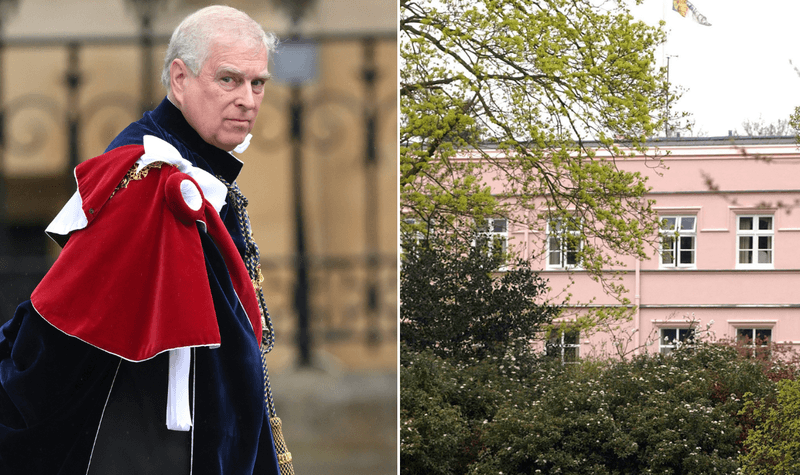
Prince Andrew, the former Duke of York, has been at the center of controversy not only due to his association with convicted sex offender Jeffrey Epstein but also because of his living arrangements. For more than 20 years, Andrew has resided rent-free in the expansive 30-room Royal Lodge home located in Windsor. This revelation has caused significant public “disgust” and outrage, as many question the fairness of such an arrangement, especially given the prince’s tarnished reputation.
According to reports from The Times, Prince Andrew initially paid £1 million for the lease of Royal Lodge and invested at least £7.5 million in refurbishments back in 2005. However, since 2003, he has only been required to pay a nominal rent, described as “one peppercorn (if demanded)” annually. The lease agreement extends until 2078, allowing Andrew and his family, including his ex-wife Sarah Ferguson, to occupy the property for decades to come.
Royal experts have weighed in on the situation, explaining the legal and financial complexities surrounding Andrew’s residency. Despite the public’s outrage, eviction appears highly unlikely due to the terms of the lease and the financial investments Andrew has already made.
Legal Constraints and Royal Family Dynamics

Royal expert Hilary Fordwich told media outlets that while the public feels “outraged” by Andrew’s rent-free living situation, the lease was granted by his mother, the late Queen Elizabeth II, and is legally binding for an extensive period. Fordwich expressed doubt that Andrew could be evicted but suggested that the mounting public pressure might compel him to leave voluntarily. She speculated that Prince William, who is focused on preserving the monarchy’s reputation, might encourage Andrew to relocate, potentially outside the UK.
Richard Fitzwilliams, another royal commentator, emphasized that the Crown Estate operates independently and that the lease gives Andrew 75 years of occupancy rights. Fitzwilliams pointed out that Andrew’s substantial upfront payments for the lease and refurbishments protect him from eviction, provided he fulfills the lease’s terms, which include periodic maintenance of the property. The optics of Andrew and Sarah Ferguson living in such a grand estate while both face public disgrace are undeniably poor, but legally, their position is secure.
Adding to the complexity, Fitzwilliams noted that since Andrew no longer receives an allowance or official support from the Palace following his 2019 scandal, the royal family has limited leverage to enforce any changes. The King’s preference for Andrew to downsize to a smaller residence like Frogmore Cottage remains a suggestion rather than a mandate.
Ian Pelham Turner, another expert, commented that if Andrew and Ferguson were ever forced to leave Royal Lodge, they would likely find alternative residences with the help of wealthy acquaintances either in the UK, Portugal, or even the Middle East. Turner believes the King would discreetly arrange suitable accommodation to avoid further public scrutiny.
Financial Backing and Royal Support

The Sunday Times previously reported that Andrew had raised sufficient funds to cover his living expenses at Royal Lodge, with the estate’s value estimated at around $38 million. The prince’s finances were reportedly vetted by the Keeper of the Privy Purse, confirming that his income came from legitimate sources.
There have been claims that King Charles III personally covers Andrew’s expenses, including rent and upkeep, allowing him to remain at Royal Lodge despite his fall from grace. Charlotte Griffiths, editor-at-large for the Mail on Sunday, revealed that multiple sources confirmed the King’s financial support for his brother. Ingrid Seward, editor-in-chief of Majesty magazine, concurred, explaining that the late Queen Elizabeth II likely made provisions for Andrew’s welfare, which have now been managed by King Charles.
Seward suggested that neither Sarah Ferguson’s earnings nor any other source could sufficiently cover the costs associated with Royal Lodge, reinforcing the likelihood that the King is the primary benefactor. This arrangement, while discreet, highlights the royal family’s efforts to manage internal affairs away from public view.
Public Reaction and Calls for Accountability

The controversy surrounding Prince Andrew extends beyond his living arrangements. Virginia Giuffre, one of Epstein’s victims, has accused Andrew of sexual misconduct, allegations he vehemently denies. Giuffre’s family has publicly urged King Charles to strip Andrew of his remaining royal titles, emphasizing that no one should be above the law regardless of their status.
During an appearance on ITV’s “This Morning,” Giuffre’s brother and sister-in-law called for renewed investigations, asserting that evidence exists to hold Andrew accountable. They stressed the importance of equal justice, arguing that Andrew’s royal title should not shield him from legal consequences.
In response to the ongoing accusations and public pressure, Prince Andrew released a statement through Buckingham Palace. He announced that, with the King’s agreement, he would no longer use his royal title or honors. Andrew reaffirmed his decision to step back from public life five years ago and denied all allegations against him.
In 2021, Giuffre filed a sexual abuse lawsuit against Andrew in New York, which he denied. The case was settled in 2022 for an undisclosed sum, reportedly ranging between $6 million and $16 million, with Andrew agreeing to make a substantial donation to a survivors’ organization.
The Future of Prince Andrew and the Monarchy

The ongoing saga surrounding Prince Andrew poses challenges for the British monarchy, which is striving to maintain its image amid scandals. Experts suggest that the royal family will continue to manage Andrew’s situation discreetly, balancing legal obligations, public opinion, and family loyalty.
With Andrew’s decision to relinquish his title and the King’s apparent support, the royal family aims to minimize further damage. However, public outrage over his rent-free residency and the unresolved allegations continue to fuel debates about accountability and privilege within the monarchy.
Conclusion

Prince Andrew’s rent-free residency at Royal Lodge has ignited widespread public disgust and raised questions about royal privilege and accountability. Despite paying for the lease and refurbishments, the nominal rent and his continued occupancy have become symbols of controversy amid serious allegations against him. Experts agree that eviction is unlikely due to legal constraints, but public and familial pressures may eventually compel Andrew to step down from his current living situation.
As the monarchy navigates these turbulent waters, transparency and justice remain paramount to restoring public trust. Stay informed about the latest developments in this ongoing story and understand the complexities behind royal privileges and responsibilities.
If you want to keep up with the latest news on Prince Andrew and the British monarchy, subscribe to our newsletter today and never miss an update!


Leave a Reply