
STARTLING: Netflix Moves Forward with an $83 Billion Acquisition of HBO Max and Warner Bros. That Rattles Hollywood—Amid Speculation That U.S. Authorities May Soon Intervene
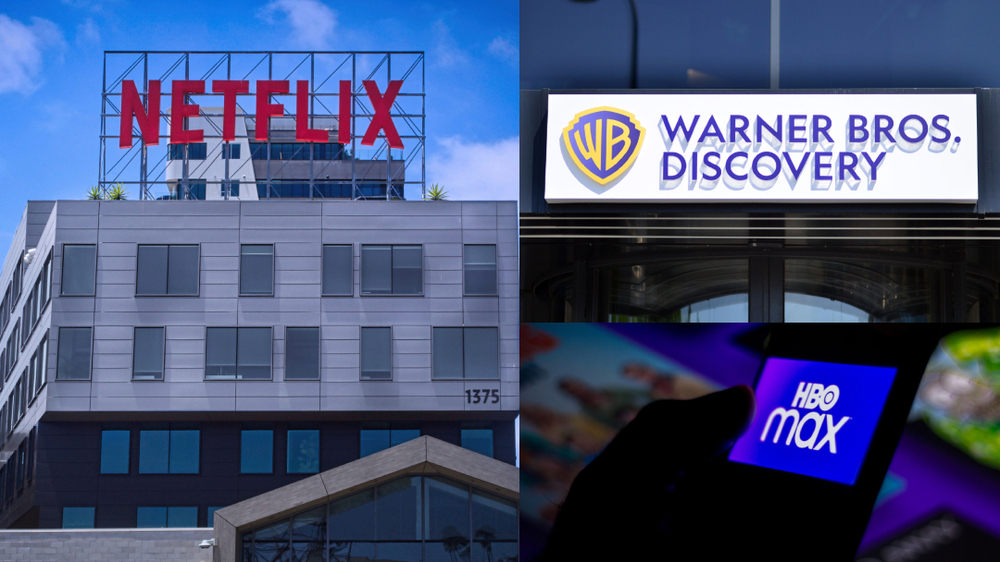
In a move that has sent shockwaves throughout the entertainment industry, Netflix has announced its intention to acquire HBO Max and Warner Bros. in a staggering $83 billion deal. This acquisition is poised to redefine the streaming landscape, consolidating some of the most valuable content libraries under one roof. However, the magnitude of this merger has sparked widespread speculation about potential regulatory scrutiny from U.S. authorities, who may intervene to assess the deal’s impact on competition and consumer choice.
Netflix’s $83 Billion Acquisition of HBO Max and Warner Bros.: A Game-Changer in Streaming

Netflix’s aggressive expansion strategy has reached a new milestone with the proposed acquisition of HBO Max and Warner Bros., two of WarnerMedia’s flagship entertainment assets. This deal is not just a financial transaction but a strategic move to dominate the streaming wars by combining Netflix’s massive subscriber base with HBO Max’s premium content and Warner Bros.’ extensive film and television catalog.
The acquisition would create an unparalleled streaming powerhouse, boasting a diverse portfolio that includes blockbuster movies, critically acclaimed TV series, and a vast array of original programming. For Netflix, this means access to iconic franchises such as “Harry Potter,” “Game of Thrones,” and “The Matrix,” which could significantly enhance its content offering and subscriber retention.
Moreover, the merger is expected to accelerate Netflix’s global growth, leveraging Warner Bros.’ international reach and HBO Max’s expanding presence in key markets. This consolidation could also lead to innovative content delivery models and cross-platform synergies, reshaping how audiences consume entertainment.
Potential Regulatory Challenges and Industry Implications

Despite the promising prospects, the acquisition faces considerable hurdles, primarily from U.S. regulatory bodies concerned about antitrust issues. The Federal Trade Commission (FTC) and the Department of Justice (DOJ) are likely to scrutinize the deal closely, evaluating whether it stifles competition and creates a monopoly in the streaming sector.
Critics argue that combining two of the largest streaming services could reduce consumer choice, limit diversity in content, and lead to higher subscription prices. Additionally, competitors such as Disney+, Amazon Prime Video, and Apple TV+ may face increased pressure, potentially triggering further consolidation in the industry.
The regulatory review process could delay or even block the acquisition if authorities determine that the merger undermines fair competition. However, Netflix may propose concessions or divestitures to alleviate antitrust concerns and secure approval.
What This Means for Viewers and the Future of Entertainment

For consumers, the merger promises an enriched entertainment experience with access to an expansive content library under a single subscription. This could simplify streaming choices and offer better value for money. However, it also raises concerns about content exclusivity, platform fragmentation, and the long-term impact on pricing.
The deal underscores the intensifying battle among streaming giants to capture and retain audiences in an increasingly crowded market. As content becomes the key differentiator, companies are investing heavily in acquisitions and original productions to stay ahead.
Furthermore, this acquisition highlights the evolving dynamics of Hollywood, where traditional studios and streaming platforms are converging to meet changing consumer demands. The outcome of this deal will likely influence future mergers and acquisitions, shaping the entertainment ecosystem for years to come.
Conclusion

Netflix’s bold $83 billion acquisition of HBO Max and Warner Bros. marks a pivotal moment in the streaming industry, promising to reshape Hollywood’s competitive landscape. While the deal offers exciting opportunities for content innovation and global expansion, it also faces significant regulatory scrutiny that could alter its trajectory. Stay tuned as this landmark acquisition unfolds, potentially transforming how we experience entertainment. To keep up with the latest developments in streaming and media mergers, subscribe to our newsletter today!




Leave a Reply