Pam Bondi ‘Enraged’ After Judge Rejects Charges Against Fired CNN Host Don Lemon Over Anti-ICE Protest in Minnesota Church
A recent legal development has stirred significant controversy involving former CNN anchor Don Lemon and Florida Attorney General Pam Bondi. A federal magistrate judge in Minnesota declined to approve charges against Lemon following his participation in an anti-ICE protest that disrupted a church service. This decision has left Bondi “enraged” and determined to pursue alternative legal avenues. The incident has ignited a fierce debate about the boundaries of protest, religious freedom, and journalistic responsibility.
Attorney General Pam Bondi’s Reaction to the Judge’s Decision

The refusal by the magistrate judge to sign the complaint against Don Lemon has been met with frustration from Attorney General Pam Bondi. Sources close to Bondi revealed that she is “enraged” by the ruling and is actively considering other options to hold Lemon accountable. The protest in question took place inside Cities Church in St. Paul, Minnesota, where Lemon joined a group of anti-ICE activists who interrupted a religious service.
Bondi’s office had already announced arrests related to the protest, including Chauntyll Louisa Allen, a member of the St. Paul School Board, and Nekima Levy Armstrong, who was accused of organizing the event. However, Lemon’s high-profile status and his live streaming of the protest on his personal YouTube channel made him a primary target for the Attorney General.
Despite the judge’s rejection of charges, Bondi’s determination signals that the legal battle is far from over. The Justice Department may explore other legal strategies to bring charges against Lemon, underscoring the seriousness with which Bondi views the incident.
Background of the Anti-ICE Protest and Don Lemon’s Role

Don Lemon, who was recently fired from CNN, has been actively covering social unrest in Minnesota following the shooting death of Renee Good. Using his personal YouTube channel, Lemon has continued to report on protests and community reactions. During the controversial incident, Lemon was interviewing a protester outside Cities Church when a group of activists suddenly entered the church, disrupting the service.
Lemon joined the group inside the church, continuing to film the event live. This action sparked widespread criticism, with many accusing him of violating the protections afforded to religious institutions under the FACE Act (Freedom of Access to Clinic Entrances Act). Religious leaders and congregants expressed outrage, demanding legal consequences for those involved.
One pastor publicly condemned Lemon and the protesters, calling for the Department of Justice to intervene and protect religious liberty. The incident quickly gained national attention, fueling debates about the limits of protest and the responsibilities of journalists in such situations.
Public and Online Reactions to the Incident
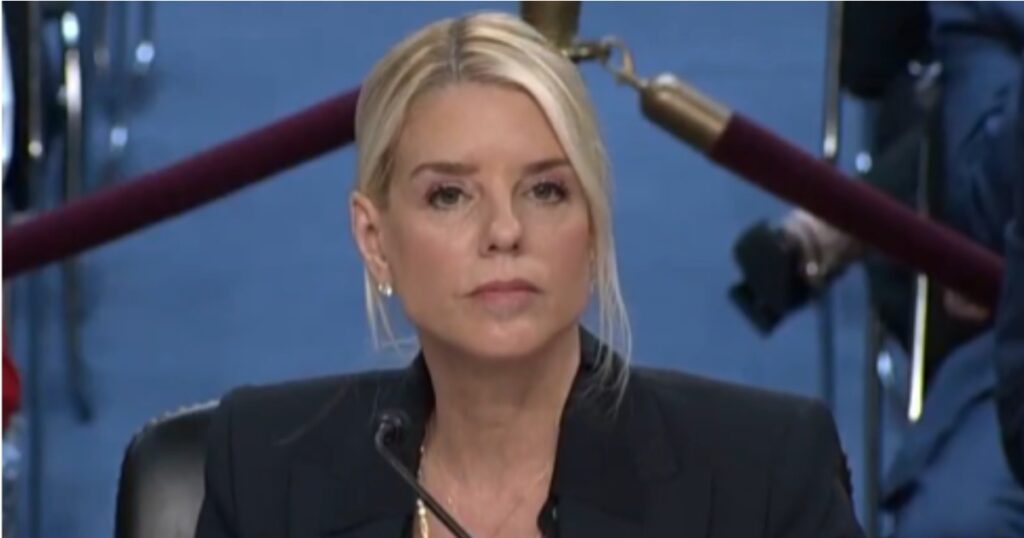
The reaction to the judge’s refusal to charge Don Lemon has been polarized. Supporters of Attorney General Bondi have expressed disappointment and urged her to intensify efforts to prosecute Lemon. Some critics online have accused Bondi of protecting political elites and failing to take decisive action, while others have called for her resignation.
Conversely, Lemon’s defenders argue that he was merely performing his duties as a journalist by documenting the protest. Lemon himself responded on Instagram, distancing himself from the organizers and emphasizing that his presence was to report on the event, not to participate in the protest.
He criticized what he described as misinformation spread by political opponents, stating, “The MAGA administration and the fake news MAGAs are losing their minds over something that’s not even true.” Lemon urged critics to direct their questions to the actual protest organizers rather than blaming him unfairly.
The Legal and Ethical Implications of the Case

This case raises complex questions about the intersection of protest rights, religious freedom, and journalistic ethics. The disruption of a church service by protesters challenges the legal protections that safeguard places of worship from interference. At the same time, the role of journalists in covering contentious events—especially when they become part of the story—adds another layer of complexity.
Attorney General Bondi’s pursuit of charges against Lemon highlights the tension between enforcing laws that protect religious institutions and respecting the freedom of the press. The judge’s refusal to sign the complaint suggests that the legal grounds for charging Lemon may be insufficient or that further investigation is needed.
As the situation unfolds, it will be important to monitor how the Justice Department and other authorities balance these competing interests. The outcome could set precedents for how similar cases are handled in the future.
Conclusion

The rejection of charges against Don Lemon by a Minnesota federal judge has not deterred Attorney General Pam Bondi, who remains determined to seek justice for the disruption of a church service during an anti-ICE protest. This ongoing legal saga underscores the challenges of navigating protest rights, religious protections, and journalistic responsibilities in a highly polarized environment. Stay informed on this developing story as new legal actions may emerge. If you want to keep up with the latest updates on this case and similar news, subscribe to our newsletter today!


Leave a Reply