“I’m not living like a normal person anymore…”: Jorge Nava from 90 Day Fiancé Opens Up About Psychological Trauma After Prison
Jorge Nava, a familiar face from the reality TV show 90 Day Fiancé, has recently shared a deeply personal and emotional account of his life following his release from prison. While many might assume that freedom after incarceration is a fresh start filled with hope and opportunity, Jorge’s experience tells a different story. His life outside prison walls is overshadowed by psychological trauma and constant anxiety, making it difficult for him to adjust to what most would consider a “normal” life.
In this article, we explore Jorge Nava’s candid revelations about the mental health challenges he faces, the impact of incarceration on his psyche, and the broader implications for individuals reintegrating into society after prison.
Jorge Nava’s Struggle with Psychological Trauma After Prison

The transition from prison to freedom is rarely seamless, and Jorge Nava’s story is a poignant example of this harsh reality. After serving time, Jorge expected to embrace his life with renewed vigor. Instead, he found himself grappling with intense psychological trauma that has altered his perception of normalcy.
In interviews and social media posts, Jorge has described feelings of anxiety, paranoia, and emotional instability that persistently haunt him. These symptoms are common among former inmates, many of whom experience post-traumatic stress disorder (PTSD), depression, and anxiety disorders as a result of their incarceration experience.
Jorge’s openness about his mental health struggles sheds light on the often-overlooked emotional toll that prison takes on individuals. The environment inside prison, characterized by stress, violence, and isolation, can leave lasting scars that do not simply disappear upon release.
The Impact of Anxiety on Jorge Nava’s Daily Life
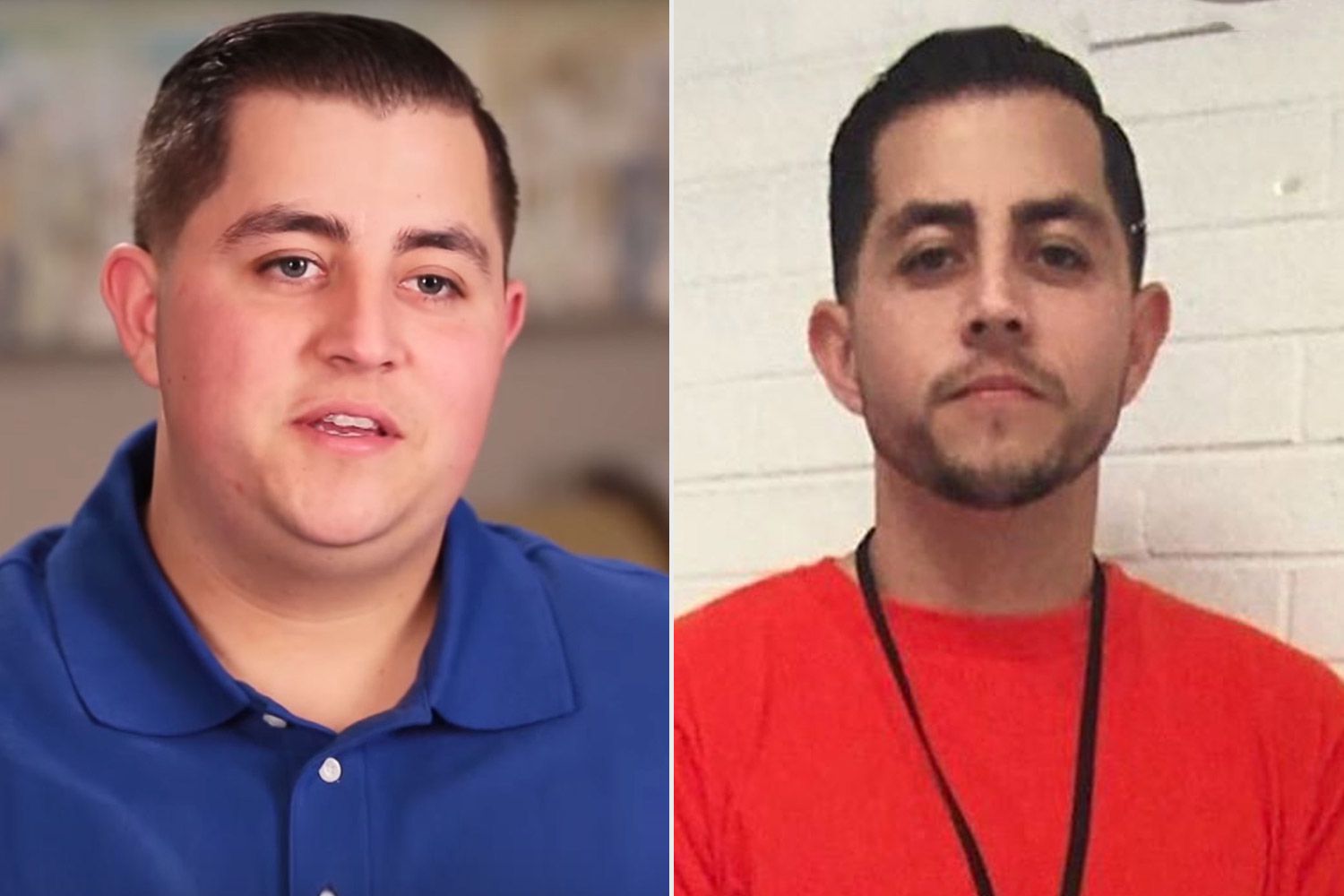
One of the most significant challenges Jorge Nava faces is managing his anxiety. He has revealed that even mundane activities can trigger overwhelming feelings of fear and unease. This constant state of alertness affects his ability to engage in social situations, maintain relationships, and pursue career opportunities.
Jorge’s anxiety is not just a fleeting discomfort; it is a debilitating condition that affects his overall quality of life. The psychological trauma from his time in prison manifests as hypervigilance—an exaggerated state of sensory sensitivity accompanied by an intense focus on potential threats. This makes it difficult for Jorge to feel safe or relaxed, even in familiar environments.
Moreover, Jorge’s experience highlights the importance of mental health support for formerly incarcerated individuals. Without proper counseling and therapy, many struggle silently, unable to cope with the emotional aftermath of their incarceration.
Reintegration Challenges: Why Freedom Doesn’t Always Mean Normalcy
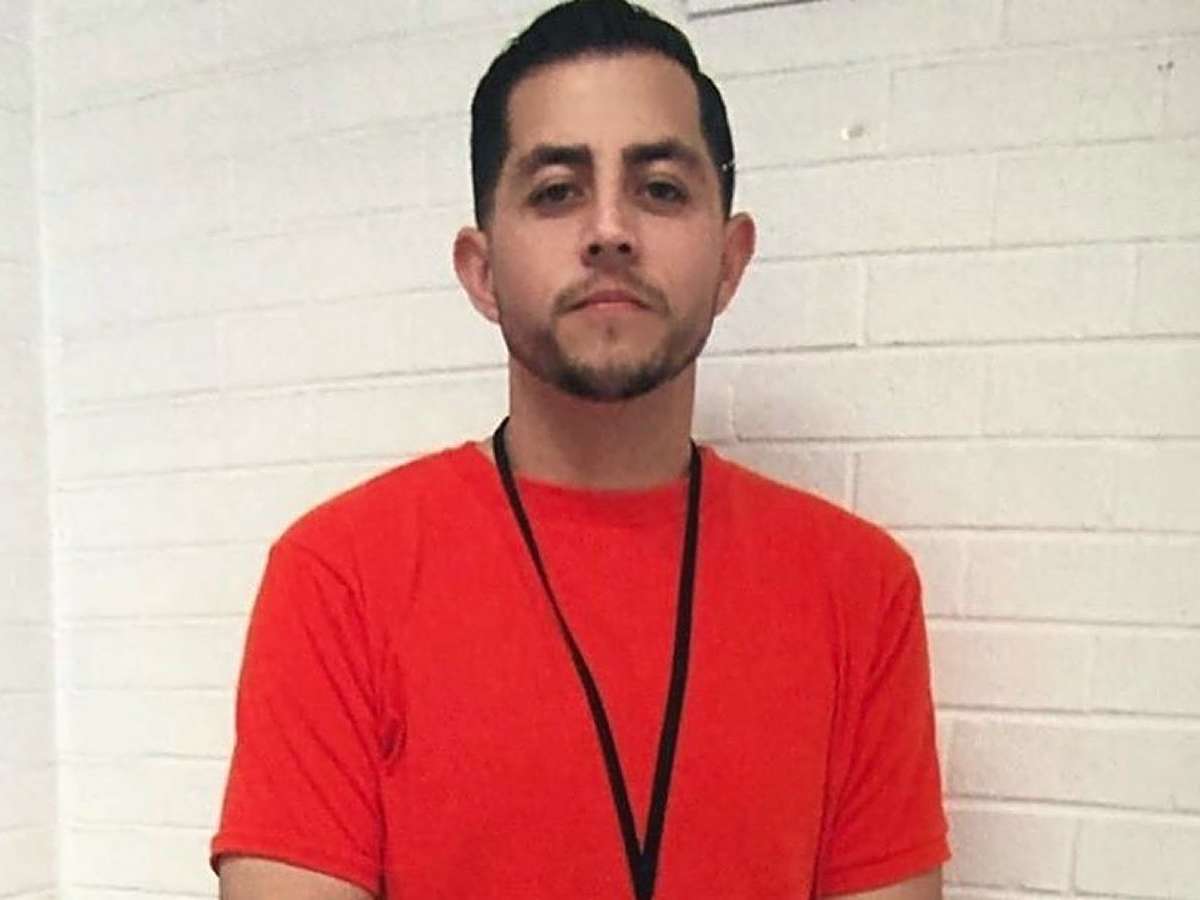
Jorge Nava’s statement, “I’m not living like a normal person anymore,” encapsulates the profound difficulties faced by many who leave prison. Reintegration into society is fraught with obstacles that extend beyond finding employment or housing. Psychological trauma can hinder the ability to rebuild a stable and fulfilling life.
The stigma attached to having a criminal record often compounds these challenges. Former inmates like Jorge may feel isolated or judged, which exacerbates feelings of anxiety and depression. Social support networks, which are crucial for mental well-being, can be limited or non-existent.
Additionally, the lack of adequate mental health resources for people transitioning out of prison is a systemic issue. Jorge’s story underscores the need for comprehensive programs that address both the practical and emotional needs of returning citizens.
How Jorge Nava’s Story Raises Awareness About Mental Health After Prison

By speaking openly about his psychological trauma, Jorge Nava is helping to break the silence surrounding mental health issues among formerly incarcerated individuals. His story encourages others who may be suffering in silence to seek help and fosters greater public understanding of the complexities involved in reentry.
Mental health advocacy is critical in changing perceptions and policies related to incarceration and rehabilitation. Jorge’s experience serves as a powerful reminder that freedom from prison does not automatically equate to freedom from emotional pain.
Conclusion

Jorge Nava’s candid revelations about his psychological trauma after prison highlight the often unseen struggles faced by many former inmates. His life, marked by persistent anxiety and emotional challenges, underscores the urgent need for better mental health support and reintegration programs. If you or someone you know is dealing with similar issues, don’t hesitate to seek professional help. Understanding and addressing mental health after incarceration is essential for building a healthier, more compassionate society.



Leave a Reply