Andrew Mountbatten-Windsor ‘Considered Abdicating’ Over Comments Made by Mother Queen Elizabeth II
Andrew Mountbatten-Windsor’s Abdication Consideration Sparked by Queen Elizabeth II’s Remarks

Recent revelations from newly published emails have brought to light a surprising chapter in the life of Andrew Mountbatten-Windsor, the former Duke of York. According to these documents, Andrew seriously considered stepping away from his royal duties after comments made by his mother, the late Queen Elizabeth II. This unexpected development underscores the complex dynamics within the British royal family and highlights the pressures faced by its members.
The emails, which emerged as part of a large cache of documents released by the US Department of Justice, focus on Andrew’s personal struggles and the impact of the Queen’s words on him and his immediate family. The former Duke of York, aged 61, and his ex-wife Sarah Ferguson are prominently mentioned in these communications, which were part of investigations related to convicted sex offender Jeffrey Epstein.
One particular email, dated May 8, 2011, from a sender identified only as “Melanie,” reveals a candid perspective on the situation. Melanie, who had visited Andrew’s residence, described the Duke as being treated like a “zoo animal” following the Queen’s alleged suggestion that his daughters, Princess Beatrice and Princess Eugenie, should “get a job.” This comment reportedly caused distress within the family, with Melanie noting that “stuff’s bad for A (Andrew’s) girls,” indicating the emotional toll on the princesses.
The Impact of Royal Family Tensions on Andrew and His Daughters

The revelation that Andrew Mountbatten-Windsor contemplated abdication due to his mother’s remarks sheds light on the intense scrutiny and familial pressures experienced by members of the royal household. The Queen’s alleged comment about her granddaughters needing to find employment was perceived as harsh and dismissive, especially given the public and private challenges the family was facing at the time.
Princess Beatrice and Princess Eugenie, both in their early adulthood during the period in question, were navigating their own paths within and outside the royal spotlight. The suggestion that they should “get a job” was seen by some insiders as a critique of their roles and contributions, adding strain to an already delicate family situation.
Sarah Ferguson, Andrew’s ex-wife, also appears in the emails, highlighting the broader context of the Duke’s personal and public struggles. The documents suggest that the family’s internal conflicts were exacerbated by external pressures, including media scrutiny and legal challenges linked to Jeffrey Epstein’s case.
These insights provide a rare glimpse into the emotional and psychological challenges faced by the Duke of York and his family, revealing that even those born into privilege are not immune to hardship and familial discord.
What This Means for the Royal Family’s Future
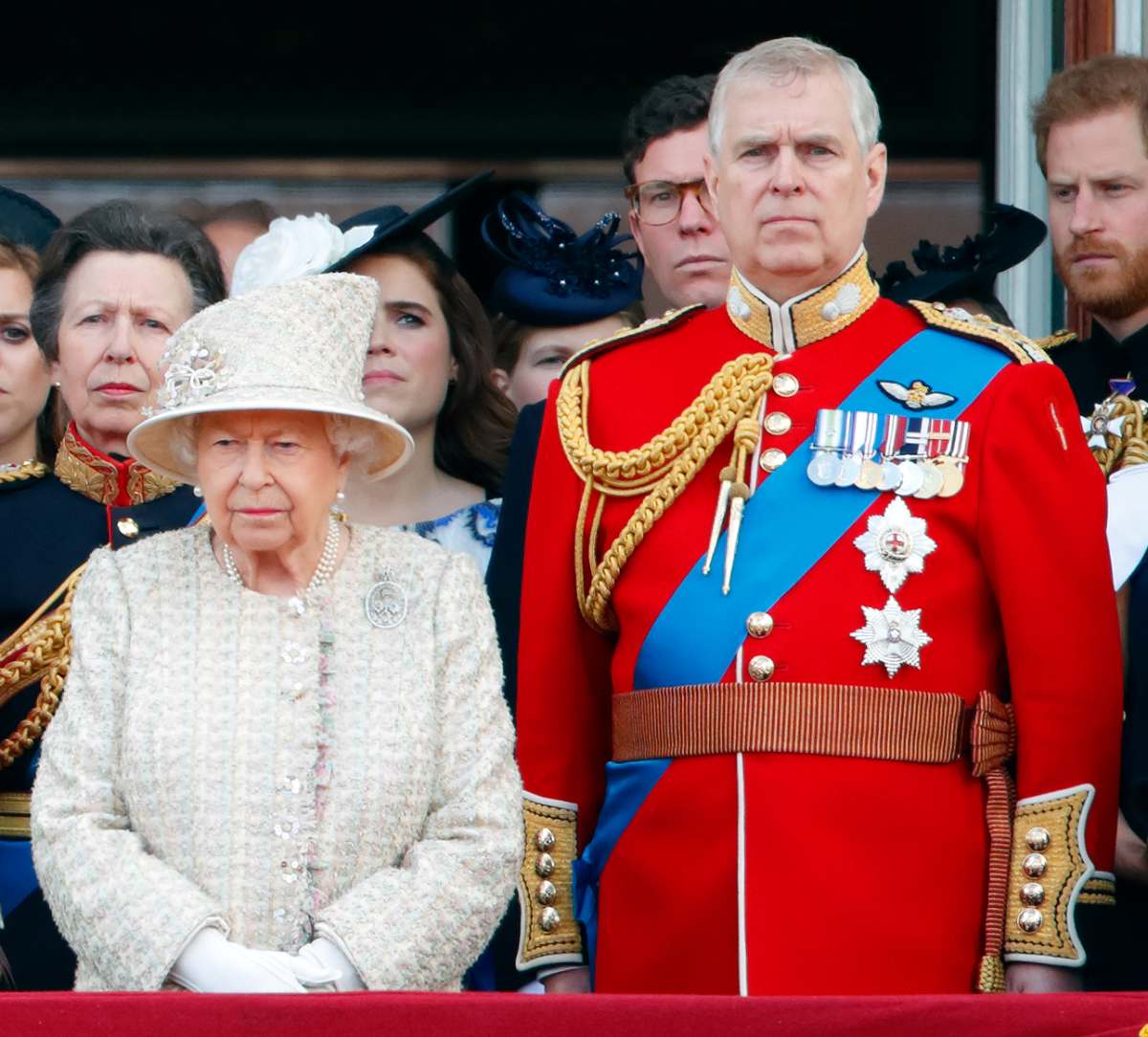
The disclosure that Andrew Mountbatten-Windsor considered abdication over comments made by Queen Elizabeth II raises important questions about the future of the British monarchy. It highlights the delicate balance between tradition, public expectation, and personal well-being within the royal family.
As the monarchy continues to evolve in the 21st century, understanding the human side of its members becomes increasingly important. The pressures faced by Andrew and his daughters reflect broader themes of identity, duty, and resilience that resonate beyond royal circles.
Moreover, these revelations may influence public perception of the monarchy, emphasizing the need for compassion and support for its members amidst ongoing challenges. The royal family’s ability to adapt and maintain unity will be crucial as it navigates future controversies and societal changes.
Conclusion

Andrew Mountbatten-Windsor’s contemplation of abdication following Queen Elizabeth II’s comments offers a poignant reminder of the complexities within the British royal family. This story not only sheds light on the personal struggles behind the palace walls but also invites us to consider the human emotions that shape public figures. To stay updated on the latest royal news and insights, be sure to subscribe to our newsletter and follow our in-depth coverage. Your engagement helps us bring you closer to the stories that matter most.


Leave a Reply